

Spain's high-speed rail network is under scrutiny after two accidents in nine months exposed serious concerns about maintenance practices. Workers at Renfe and Adif, the state-owned railway infrastructure manager, are now speaking out, claiming that outsourced maintenance contracts with inadequate training are putting passengers at risk.
The accidents—a broken rail and the failure of the LZB safety system—have eroded public confidence in a service that was once a source of national pride. But according to these workers, the incidents are symptoms of a deeper problem: chronic underinvestment in maintenance despite record overall spending.
Find Original Home Decor sparking conversation at Grand Goldman Shop.

The Investment Paradox: Record Spending, Stagnant Maintenance
In 2025, Adif invested a record €4.7 billion in Spain's rail infrastructure. However, only €437 million of that went to maintaining high-speed lines, while the bulk funded new construction. This imbalance has raised eyebrows among experts and workers alike.
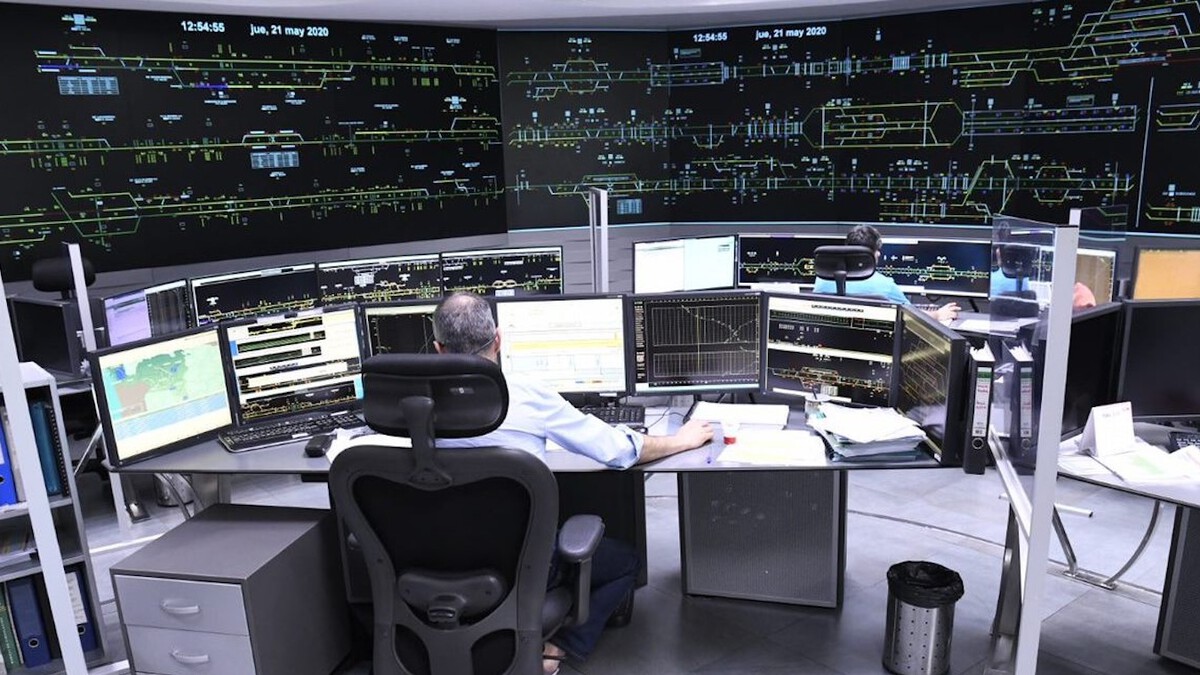
Data from Geotren reveals a troubling trend: in 2005, maintenance spending was €116,329 per kilometer. By last year, it had dropped to €110,000 per kilometer. Adjusted for inflation, the decline is even more alarming—€183,920 per kilometer in today's money, nearly €70,000 more than current levels.
This means that despite the headline investment figures, the real resources devoted to keeping existing tracks safe have dwindled. The focus on expansion has come at the expense of upkeep.
Liberalization and the Strain on Infrastructure
The liberalization of Spain's rail sector has dramatically increased traffic. As former Transport Minister Óscar Puente noted, "In the 1990s, six trains ran daily between Madrid and Seville... today there are 289." This surge in service frequency puts immense pressure on tracks and signaling systems.
More trains mean more wear and tear, and when maintenance is neglected, the risk of failures multiplies. The two recent accidents—both linked to infrastructure and safety system failures—highlight the consequences of this imbalance.
Worker Testimony: Outsourcing with Poor Training
Renfe mechanics and Adif controllers have not minced words. They describe a system where maintenance is increasingly outsourced to subcontractors with "nefasta" (dismal) training. These workers argue that the push for cost savings has led to a decline in the quality of inspections and repairs.
Without proper training, subtle defects can go unnoticed, and critical safety checks may be rushed. The workers' warnings echo concerns raised in other industries where outsourcing has been linked to safety lapses.
What This Means for Passengers and the Future
For travelers, the implications are clear: the high-speed rail network that Spain has invested billions in may not be as safe as assumed. The accidents have already shaken confidence, and if maintenance issues are not addressed, further incidents could occur. The background to this story is set out in Adif's €4.7B Investment in 2025: Only €437M for High-Speed Rail Maintenance. A related thread runs through Spain High-Speed Rail Safety Under Scrutiny After Second Deadly Crash. Earlier coverage in Spain High-Speed Rail Safety Doubts After Second Fatal Crash shows how the argument developed.
The government faces a choice: continue pouring money into new lines or rebalance spending toward maintenance and training. Experts suggest that a thorough audit of maintenance contracts and a review of training standards are essential first steps. A closer look at the same subject appears in Adif's Protocol for Weak Rail Defects: Using Passenger Trains to Detect Them. Anyone following the wider picture can start with Spain High-Speed Rail Loses 20% of Passengers After Adamuz Crash. The same theme surfaces in Spain's Basque Y High-Speed Rail: Seven Viaducts in Seven Kilometers, which takes a different angle.
Key Takeaways
- Adif's 2025 investment of €4.7 billion saw only €437 million allocated to high-speed maintenance, with most funds going to new construction.
- Inflation-adjusted maintenance spending per kilometer has dropped by nearly €70,000 since 2005, despite record overall investment.
- Liberalization has led to a massive increase in train frequency, putting greater strain on infrastructure.
- Workers blame outsourced maintenance with poor training for recent accidents and warn of ongoing risks.
- Passenger confidence has been shaken, and calls are growing for a rebalancing of priorities toward safety and upkeep.
Comparing Maintenance Spending Over Time
| Year | Maintenance Spending per km (€) | Inflation-Adjusted (2026 €) |
|---|---|---|
| 2005 | 116,329 | 183,920 |
| 2025 | 110,000 | 110,000 |
The table illustrates the stark decline in real terms. While nominal spending appears relatively stable, inflation has eroded its value, meaning less actual maintenance work is being done per kilometer. Context on how this played out before sits in Spain's High-Speed Rail Ambition: Madrid to Barcelona in Under Two Hours. A companion piece, Spain Train Collision: 10 Feared Dead in High-Speed Rail Crash, approaches the same subject from another angle.
FAQ
What caused the recent high-speed rail accidents in Spain?
The accidents were caused by a broken rail and the failure of the LZB safety system. Workers attribute these failures to inadequate maintenance and poor training of subcontractors.
How much does Spain spend on rail maintenance compared to new construction?
In 2025, Adif invested €4.7 billion total, but only €437 million went to maintaining high-speed lines. The majority funded new infrastructure projects.
Why has maintenance spending per kilometer decreased?
While nominal spending has remained flat, inflation has significantly reduced its real value. Additionally, priorities have shifted toward expansion rather than upkeep.
What do workers suggest to improve safety?
Workers call for better training for maintenance subcontractors, increased investment in upkeep, and a rebalancing of spending away from new construction.
Browse the Shop
 Acacia frida deluxe solid wood bed frame |
Bedroom bench |
Bed chest drawers |
Lingerie dresser |
Frame base |
Mirror with jewelry storage |
30 Bathroom Vanity |
Memory foam queen mattress |
Mattresses for back pain |
Nightstand set of 2 |
Grand Goldman Shop |
Civil Lawyer
Deutschland Trikot WM 2026







