

If you've ever wondered why airplane windows are circular, the answer lies in a dramatic tale of trial, error, and tragedy. The now-iconic oval shape isn't just a design choice—it's a life-saving innovation born from two deadly accidents that reshaped aviation safety forever.
In the early days of commercial flight, airplanes had rectangular windows like those in your living room. But as airlines pushed to fly higher for fuel efficiency and passenger comfort, the industry learned a harsh lesson about the dangers of sharp corners in a pressurized fuselage.
Find Original Home Decor sparking conversation at Grand Goldman Shop.

The Push for Higher Altitudes
In the 1950s, flying became increasingly popular, and airlines sought ways to cut costs. Flying at higher altitudes offered significant savings: thinner air means less drag, which translates to lower fuel consumption. It also provided a smoother ride with fewer turbulence issues.
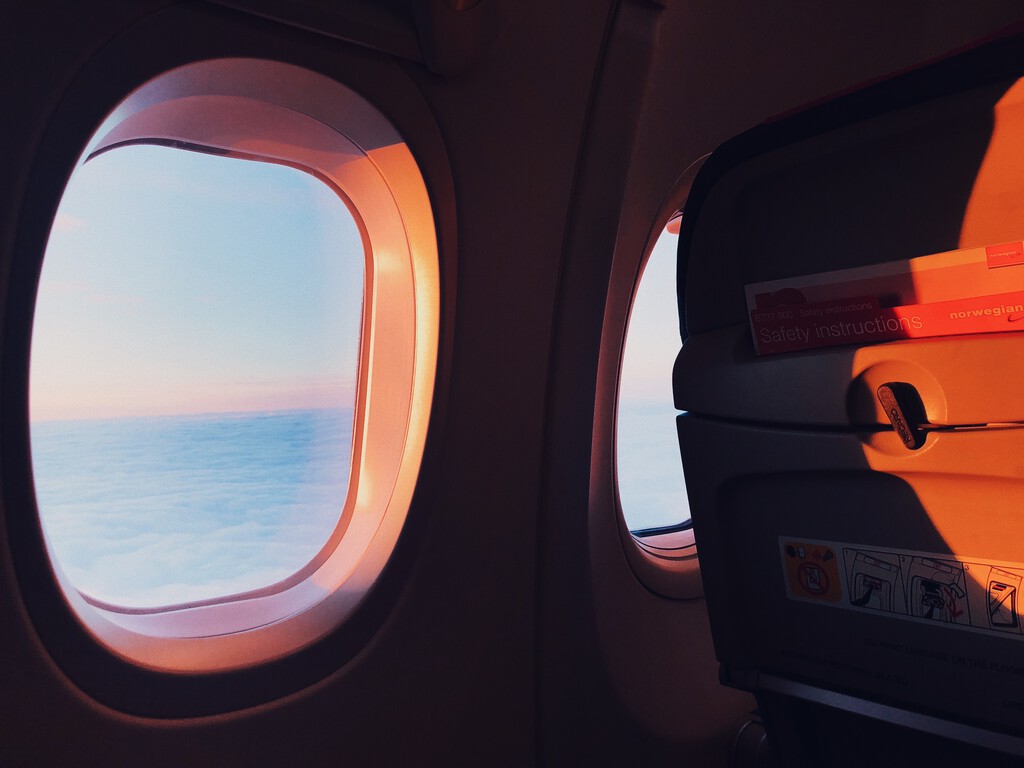
However, these benefits came with a catch. At high altitudes, the air is too thin for humans to breathe without assistance. So, manufacturers had to pressurize the cabin to keep passengers and crew safe. This meant sealing the aircraft like a soda can and pumping in conditioned air to maintain a comfortable pressure.
A pressurized cabin naturally takes on a cylindrical shape to evenly distribute stress. But this creates a pressure difference between the inside and outside of the aircraft that increases with altitude. The fuselage must withstand this constant stress, and any weak point can become a disaster.
The Deadly Flaw of Rectangular Windows
Rectangular windows, with their sharp corners, created concentrated stress points. As the cabin pressurized and depressurized with each flight, these corners became focal points for metal fatigue. Cracks would form and propagate, eventually leading to catastrophic failure.
This flaw became tragically apparent in two crashes involving the de Havilland Comet, the world's first commercial jet airliner. In 1954, two Comets broke apart mid-flight, killing everyone on board. Investigations revealed that the rectangular windows were the culprit: stress fractures originated at the corners and spread rapidly through the fuselage.
These accidents were a wake-up call for the aviation industry. Engineers realized that the shape of windows and other cutouts had to be redesigned to distribute stress more evenly. The solution was the oval window, which eliminates sharp corners and allows stress to flow smoothly around the opening.
Why Oval Windows Are Safer
The oval shape, often described as a rounded rectangle or a circle, is a structural marvel. By curving gradually, it avoids the stress concentration that occurs at sharp corners. This design ensures that the pressure is evenly distributed along the window's edge, reducing the risk of fatigue cracks.
But it's not just windows. You might have noticed that other interior features, like armrests, tray tables, and even the overall cabin layout, often incorporate curved shapes. This is no coincidence—it's all part of the same engineering principle: smooth curves are better at handling stress than sharp angles.
Today, all commercial aircraft feature oval windows, and the design is a key reason why flying is one of the safest modes of transportation. The lessons learned from those early accidents have been codified into strict regulations and design standards that govern every aspect of aircraft construction. The background to this story is set out in Ryanair Passenger Sucked Out Window: Why Airplane Seatbelts Matter. A related thread runs through Le Mans 1955: The Deadliest Crash That Changed Racing Forever.
What This Means for Passengers
For travelers, the oval window is a silent guardian. It's a reminder that every detail in an aircraft, no matter how small, is engineered with safety in mind. The next time you gaze out at the clouds through that familiar oval, you'll know it's more than just a pretty view—it's a testament to the industry's commitment to learning from the past. Earlier coverage in 1952 Pan Am Crash Wreckage Found: How It Changed Air Safety shows how the argument developed. A closer look at the same subject appears in 1952 Pan Am Plane Crash Wreckage Found: How It Changed Air Safety.
So, the next time you fly, take a moment to appreciate the humble oval window. It represents a triumph of engineering over tragedy, and a continuous effort to make the skies safer for everyone. Anyone following the wider picture can start with Car: latest articles. The same theme surfaces in Wicker Chairs to Seatbelts: The Wild Evolution of Airplane Seats, which takes a different angle.
- Oval windows distribute stress evenly, preventing cracks that can lead to catastrophic failure.
- The de Havilland Comet crashes in 1954 revealed the dangers of rectangular windows in pressurized cabins.
- Higher altitudes require cabin pressurization, which puts stress on the fuselage.
- Modern aircraft use rounded shapes for windows and interior elements to enhance safety.
- Aviation safety regulations now mandate stress analysis for all structural cutouts.
| Feature | Rectangular Windows | Oval Windows |
|---|---|---|
| Stress Distribution | Concentrated at corners | Evenly distributed |
| Risk of Fatigue Cracks | High | Low |
| Historical Incidents | Linked to Comet crashes | No known crashes due to shape |
| Current Usage | Obsolete in commercial aviation | Standard in all airliners |
FAQ
Why are airplane windows oval and not rectangular?
Oval windows distribute stress more evenly than rectangular ones, reducing the risk of cracks and catastrophic failure in pressurized cabins. Rectangular windows have sharp corners where stress concentrates, leading to metal fatigue.
What were the two accidents that changed airplane window design?
The two accidents were the crashes of the de Havilland Comet in 1954. These were the first commercial jet airliners, and both broke apart mid-flight due to stress fractures originating at the rectangular windows.
Do all airplanes have oval windows?
Yes, all modern commercial aircraft have oval windows as a standard safety feature. The design is mandated by aviation regulations to ensure structural integrity.
Are there other reasons for oval windows besides safety?
While safety is the primary reason, oval windows also offer better aerodynamics and aesthetics. However, the main driver was the need to prevent stress-related failures.
Browse the Shop
 Acacia frida deluxe solid wood bed frame |
Bedroom bench |
Bed chest drawers |
Lingerie dresser |
Frame base |
Mirror with jewelry storage |
30 Bathroom Vanity |
Memory foam queen mattress |
Mattresses for back pain |
Nightstand set of 2 |
Grand Goldman Shop |
Civil Lawyer
Deutschland Trikot WM 2026







