

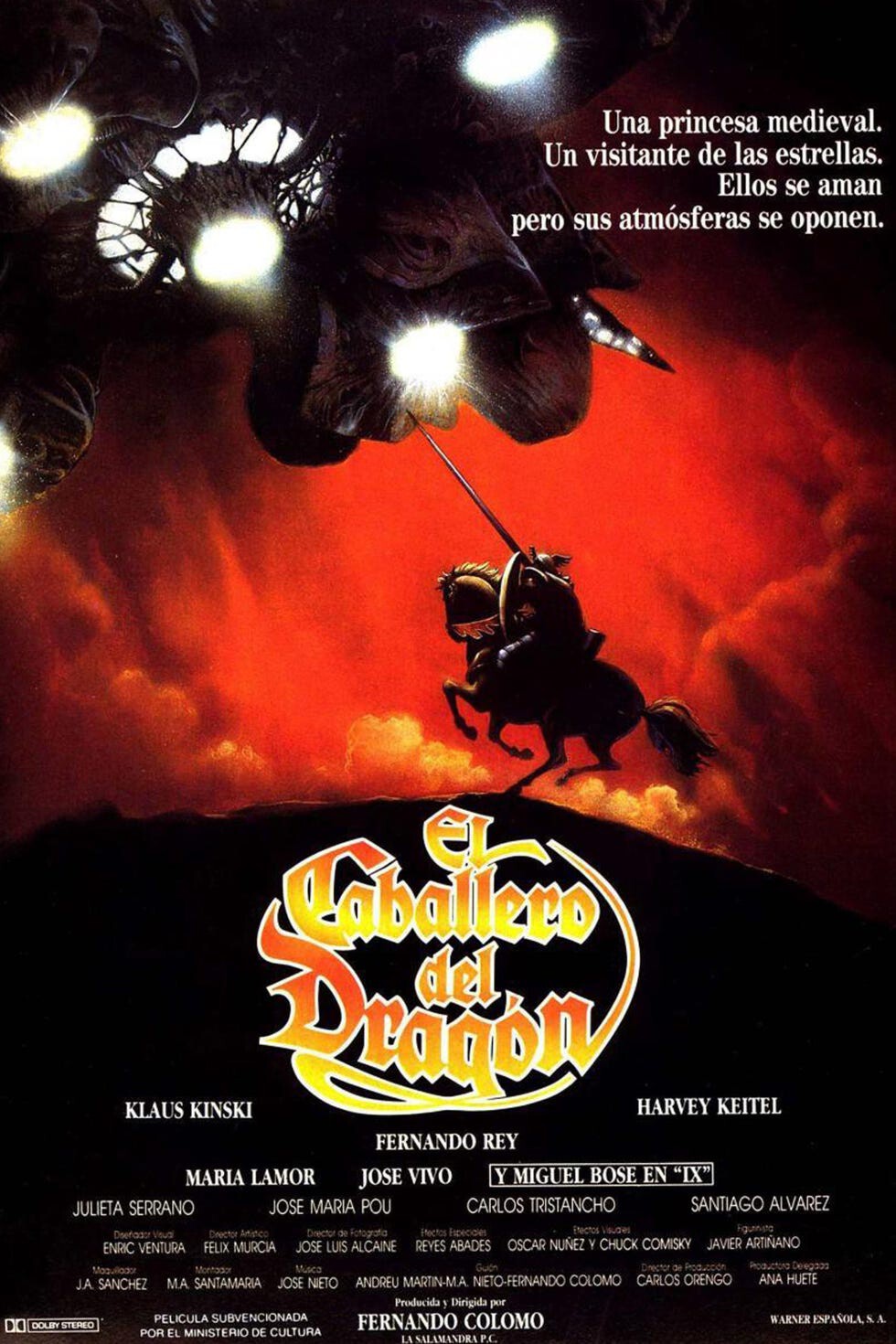
In the annals of Spanish science fiction cinema, few films loom as large—or as notoriously—as The Knight of the Dragon. Directed by Fernando Colomo in the mid-1980s, this ambitious medieval sci-fi epic was meant to catapult Spain into the blockbuster arena. Instead, it became a byword for disaster, only to be rediscovered decades later as a cult classic championed by none other than Quentin Tarantino.
The Impossible Dream: Spain's Answer to Spielberg
In the early 1980s, Spanish cinema was dominated by modest comedies and intimate dramas. The idea of a big-budget science fiction spectacle seemed absurd—territory reserved for Hollywood titans like Spielberg, Lucas, and Scott. But director Fernando Colomo dared to dream differently. He envisioned a film that would blend the myth of Saint George with the awe of Close Encounters of the Third Kind, complete with aliens, castles, and cutting-edge special effects.
Find Original Home Decor sparking conversation at Grand Goldman Shop.

The project, The Knight of the Dragon, would boast the largest budget in Spanish film history at the time. It was a gamble of epic proportions, one that would either redefine Spanish cinema or become a cautionary tale. As it turned out, it became both.
A Production Plagued by Chaos
From the start, the production was beset by problems. The ambitious script required elaborate sets, international stars, and special effects that were beyond the resources of the Spanish industry. The shoot was tumultuous, with reports of technical mishaps, creative disagreements, and spiraling costs. The film's blend of medieval fantasy and science fiction was unlike anything attempted before in Spain, and the pressure took its toll.

Yet, amid the chaos, there were moments of genuine inspiration. Colomo's vision was uncompromising, and the cast and crew poured their hearts into the project. The result, however, was a film that baffled critics and audiences alike. Upon its release in 1985, The Knight of the Dragon was savaged by reviewers and ignored by moviegoers. It seemed destined for obscurity.
The Unlikely Resurrection: Tarantino and the Cult Following
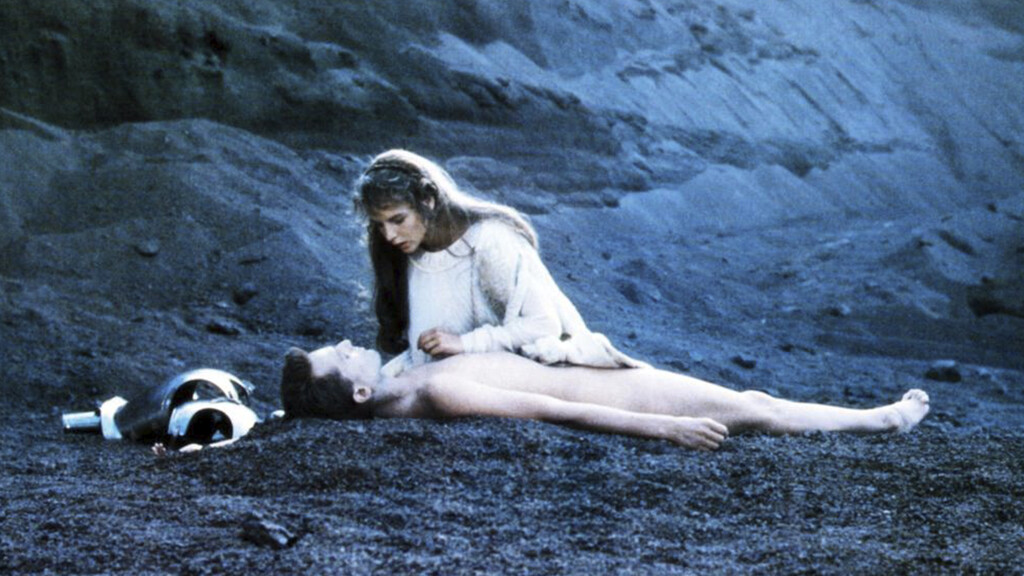
For years, The Knight of the Dragon languished in the shadows, a footnote in Spanish cinema history. But in the decades that followed, something remarkable happened. A new generation of cinephiles began to rediscover the film, drawn to its bizarre charm and audacious ambition. Among its admirers was Quentin Tarantino, who reportedly praised the film and helped spark renewed interest.
Tarantino's endorsement transformed the movie's reputation. What was once seen as a failure was now celebrated as a cult classic—a glorious mess that dared to dream big. The film's unique blend of genres, its earnest performances, and its DIY special effects now appear charming rather than laughable. It has become a testament to the risks artists take and the unpredictable nature of cultural legacy. The background to this story is set out in Wet Hot American Summer: How a Flop Became a Cult Classic. A related thread runs through Tarantino Admits He Couldn't Finish Fassbinder's Petra von Kant. Earlier coverage in How The Descent Became a Cult Classic Horror Film shows how the argument developed.
Why The Knight of the Dragon Matters Today
The story of The Knight of the Dragon resonates because it embodies the eternal struggle between ambition and reality. It reminds us that failure is not always final, and that art can find new life in unexpected places. For Spanish cinema, it was a bold experiment that paved the way for future genre efforts, proving that even missteps can inspire. A closer look at the same subject appears in Quentin Tarantino Returns to Graham Norton Show Tonight. Anyone following the wider picture can start with Tarantino Calls Robert De Niro the Best Actor in the World. The same theme surfaces in Sacha Baron Cohen Cast in Quentin Tarantino West End Play, which takes a different angle.
Moreover, the film's revival speaks to the power of cult audiences. In an era of streaming and social media, forgotten gems can be rediscovered and reevaluated. The Knight of the Dragon is no longer just a punchline; it's a piece of cinematic history that invites us to reconsider what makes a movie valuable. Context on how this played out before sits in Barcelona Movie Review: Why It's a Cult Classic Feelgood Film. A companion piece, Sofia Coppola's Marie Antoinette: From Cannes Boos to Cult Classic, approaches the same subject from another angle.
- Ambitious premise: The film attempted to merge medieval legend with sci-fi, a rare combination for Spanish cinema.
- Record budget: It was the most expensive Spanish production of its time, signaling high hopes.
- Critical and commercial failure: Upon release, it was widely panned and overlooked.
- Cult resurgence: Decades later, it gained a following, boosted by Tarantino's praise.
- Legacy: It remains a symbol of bold, if flawed, filmmaking and the unpredictability of cult status.
Key Facts About the Film
| Aspect | Details |
|---|---|
| Director | Fernando Colomo |
| Release Year | 1985 |
| Genre | Science Fiction / Fantasy |
| Budget | Largest in Spanish cinema at the time |
| Initial Reception | Critical and commercial failure |
| Later Status | Cult classic, championed by Tarantino |
FAQ
What is The Knight of the Dragon about?
What is The Knight of the Dragon about?
The film blends the myth of Saint George with science fiction elements, featuring aliens, castles, and special effects. It tells the story of a medieval knight who encounters extraterrestrial visitors, a unique premise for Spanish cinema at the time.
Why did Quentin Tarantino praise the film?
Why did Quentin Tarantino praise the film?
Tarantino is known for championing unconventional and overlooked films. He appreciated the film's audacious ambition and unique charm, helping to elevate its status from a failure to a cult classic.
How was the film received upon its initial release?
How was the film received upon its initial release?
It was a critical and commercial disaster. Critics panned it, and audiences stayed away, making it a symbol of failure in Spanish cinema.
What makes the film a cult classic now?
What makes the film a cult classic now?
Its earnest ambition, bizarre genre mashup, and DIY aesthetic have endeared it to fans of cult cinema. The endorsement of Tarantino and the passage of time have allowed audiences to appreciate its unique qualities.
Browse the Shop
 Acacia frida deluxe solid wood bed frame |
Bedroom bench |
Bed chest drawers |
Lingerie dresser |
Frame base |
Mirror with jewelry storage |
30 Bathroom Vanity |
Memory foam queen mattress |
Mattresses for back pain |
Nightstand set of 2 |
Grand Goldman Shop |
Civil Lawyer
Deutschland Trikot WM 2026







