

The blue crab plague is devastating the Mediterranean, and Italy is now turning to oyster farming as a potential solution. This invasive species, Callinectes sapidus, has wreaked havoc on clam and mussel production, causing millions in losses and threatening livelihoods.
What Is the Blue Crab and Why Is It a Plague?
The blue crab, native to the western Atlantic and Gulf of Mexico, is a voracious predator with powerful claws. It was first recorded in Italy in 1940 but has recently expanded at an unsustainable rate.
Find Original Home Decor sparking conversation at Grand Goldman Shop.

Its appetite for clams, mussels, fish roe, and native crabs has upended Italy's shellfish industry. The crab's ability to climb and break fishing nets compounds the problem, making traditional fishing methods ineffective.
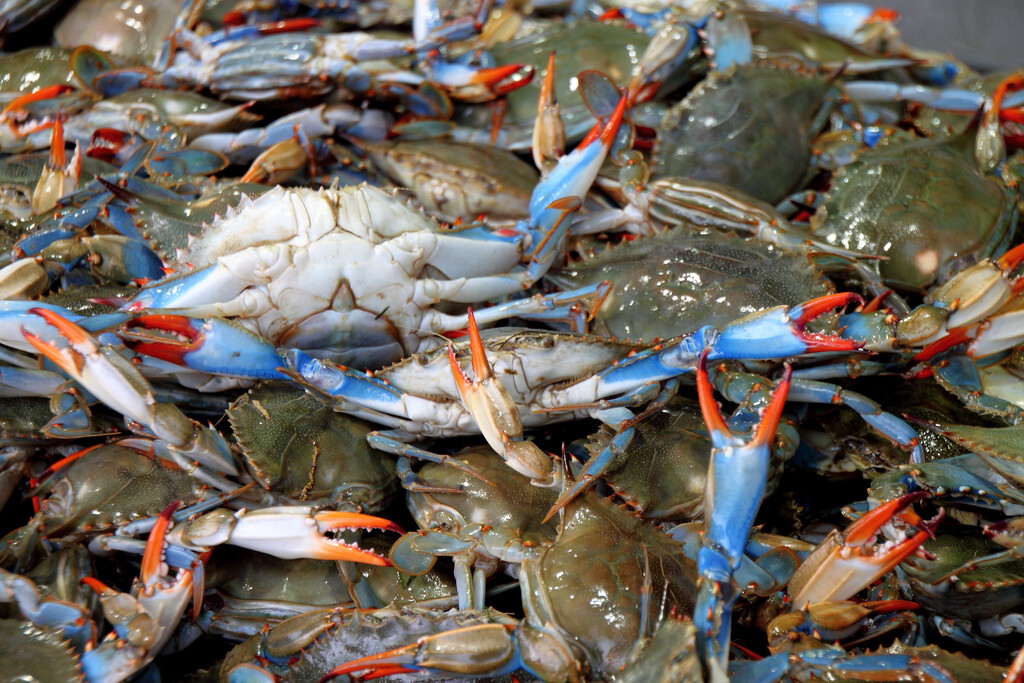
How Has Italy Tried to Combat the Blue Crab?
Italy has employed various strategies to control the blue crab population. Large nets have been deployed, capture efforts have been subsidized, and restaurants have started featuring blue crab on their menus.
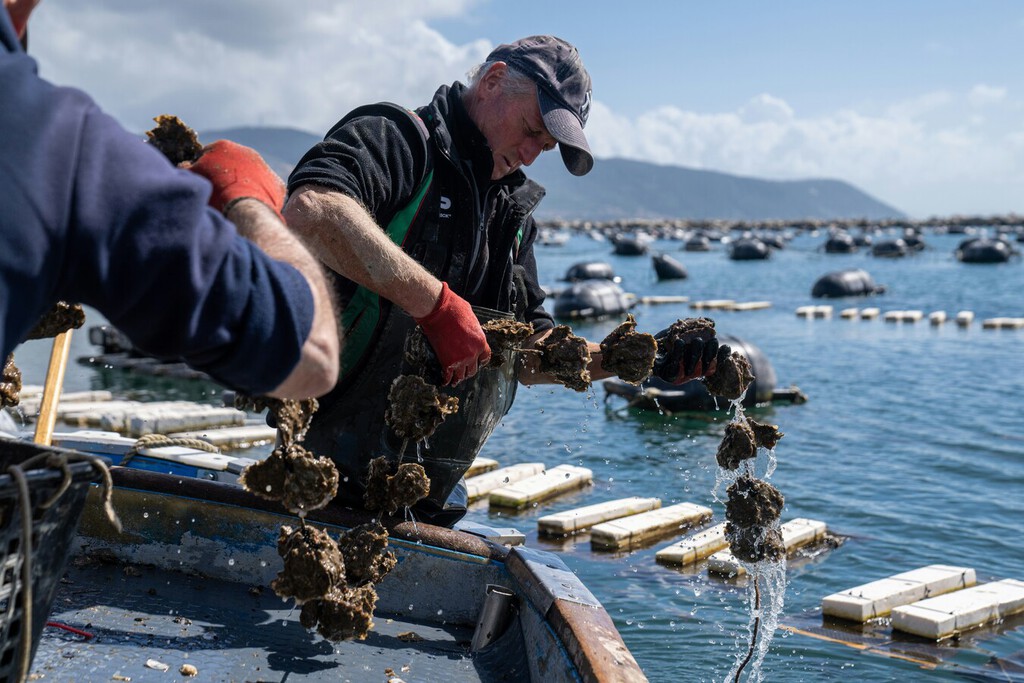
Despite these efforts, the results have been insufficient. The crab's population continues to grow, and the economic impact on the fishing industry remains severe.
Why Oyster Farming?
Oyster farming is emerging as a promising alternative. Oysters are less vulnerable to blue crab predation due to their hard shells and different habitat preferences.
By shifting focus to oyster cultivation, Italian fishermen can diversify their income and reduce the pressure on traditional clam and mussel beds. This strategy also aligns with the growing demand for sustainable seafood. The background to this story is set out in Indonesia Fire Haze: Devastating Toll on Millions Exposed. A related thread runs through Horseshoe Crab Blue Blood: Ancient Arthropod's Medical Secret. Earlier coverage in Japan's Stray Cat Invasive Species Plan Sparks Backlash shows how the argument developed.
What Are the Challenges and Opportunities?
Transitioning to oyster farming is not without challenges. It requires new skills, infrastructure, and investment. However, it offers a chance to rebuild the industry in a more resilient way. A closer look at the same subject appears in Invasive Species in Spain: Why the Guadalquivir Is a Hotspot. Anyone following the wider picture can start with Stranded Ships in Hormuz Risk Spreading Invasive Species Globally. The same theme surfaces in Tree of Heaven: The Invasive Species Breaking Pipes in Spain, which takes a different angle.
Oyster farming can also improve water quality, as oysters filter feed and remove excess nutrients. This creates a positive feedback loop for the ecosystem. Context on how this played out before sits in Invasive Species Cost Australia Billions: How to Respond. A companion piece, Invasive Species Cost Australia $24.5B: How to Respond, approaches the same subject from another angle.
Key Takeaways
- The blue crab is an invasive species causing significant economic damage to Italy's shellfish industry.
- Traditional control methods like nets and subsidized capture have not been enough.
- Oyster farming is being adopted as a new strategy to mitigate the impact.
- Oysters are less susceptible to blue crab predation and offer environmental benefits.
- Diversification into oyster farming can help sustain coastal communities.
Comparison of Blue Crab Impact on Shellfish
| Shellfish Type | Vulnerability to Blue Crab | Economic Impact |
|---|---|---|
| Clams | High | Severe losses |
| Mussels | High | Severe losses |
| Oysters | Low | Minimal |
FAQ
What is the blue crab plague?
The blue crab plague refers to the uncontrolled population growth of the invasive blue crab species in the Mediterranean, which is devastating local shellfish populations and the fishing industry.
Why are oysters a good alternative?
Oysters have harder shells and different habitat needs, making them less vulnerable to blue crab predation. They also provide environmental benefits by filtering water.
How does oyster farming help the economy?
Oyster farming diversifies income for fishermen, reduces pressure on traditional shellfish, and meets the growing demand for sustainable seafood, thus supporting coastal economies.
What challenges does oyster farming face?
Oyster farming requires new skills, infrastructure, and investment. There may also be regulatory and environmental considerations to address.
The blue crab invasion is a complex problem, but Italy's shift to oyster farming shows adaptive resilience. By embracing new methods, the industry can mitigate the damage and build a more sustainable future.
Browse the Shop
 Acacia frida deluxe solid wood bed frame |
Bedroom bench |
Bed chest drawers |
Lingerie dresser |
Frame base |
Mirror with jewelry storage |
30 Bathroom Vanity |
Memory foam queen mattress |
Mattresses for back pain |
Nightstand set of 2 |
Grand Goldman Shop |
Civil Lawyer
Deutschland Trikot WM 2026







