

A DIY home battery built from over 1,000 recycled laptop cells is powering a house, proving that second-life energy storage can be both practical and sustainable. The project, shared by a forum user named Glubux on Second Life Storage, has been running for years and is now inspiring others to replicate the idea.
What Is the Glubux Powerwall?
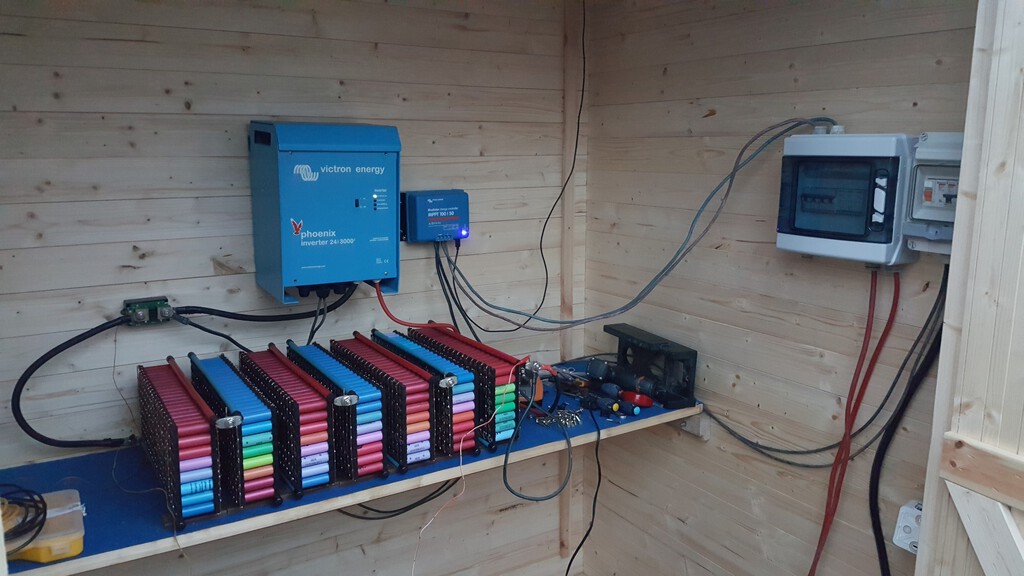
The Glubux Powerwall is a homemade battery system that uses salvaged lithium-ion cells from old laptops. Glubux started collecting batteries years ago and by November 2019 had amassed around 650 cells. He began testing them for stability and performance, eventually building custom battery packs to power his home.
Find Original Home Decor sparking conversation at Grand Goldman Shop.

Unlike commercial home batteries, this system is assembled from used cells that would otherwise be e-waste. The project demonstrates how recycling and repurposing can create a functional energy storage solution.
How the Recycled Battery System Works
Glubux doesn't just throw cells together randomly. Each laptop battery is disassembled, and the individual cells are tested and sorted by capacity. They are then rebuilt into stable modules with dozens of interconnected cells. These modules are linked to form a large battery bank that functions like a conventional home battery.
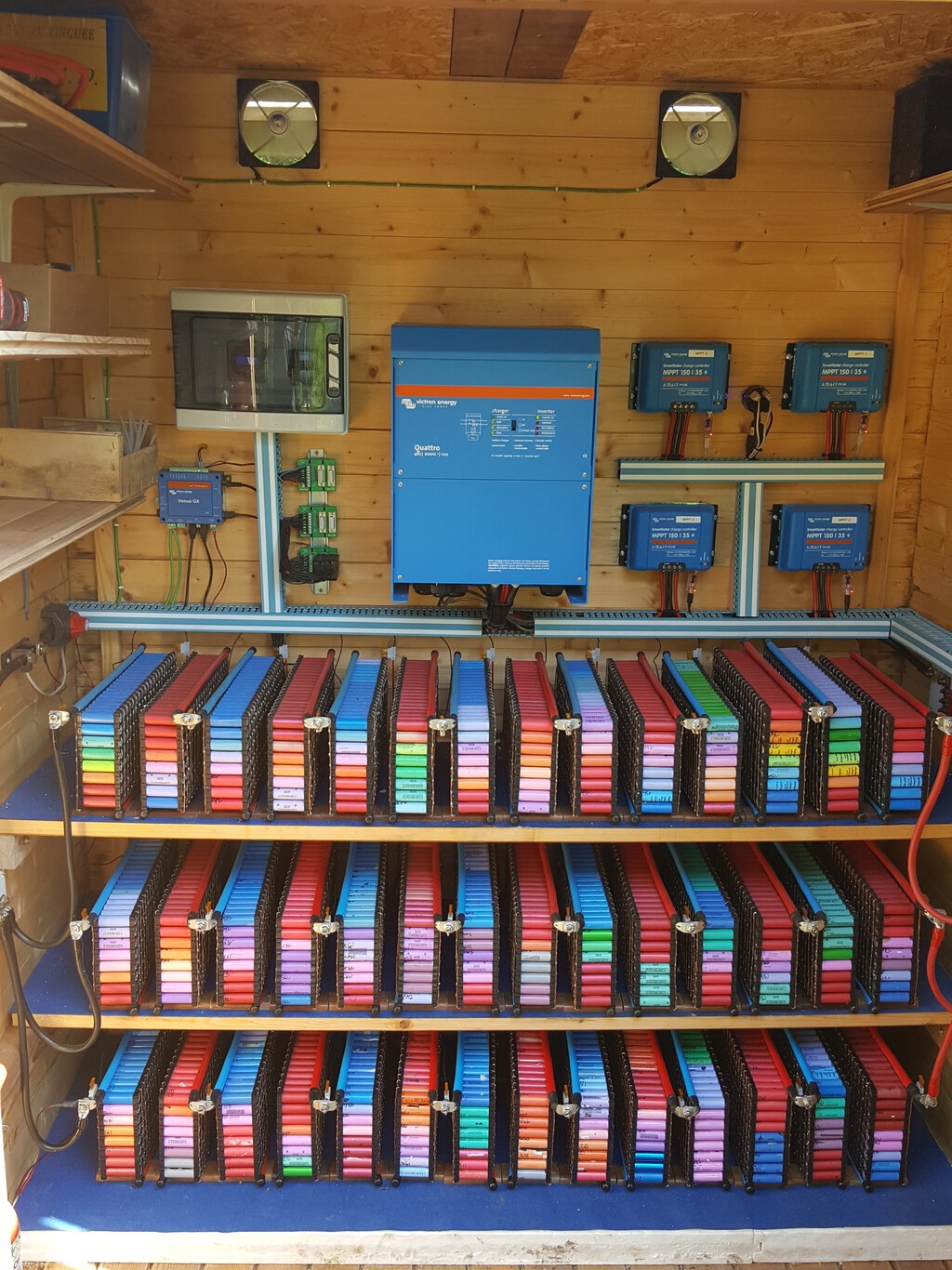
The system is connected to the house's electrical current and charged by solar panels. In less than a month after sharing his progress, Glubux reported successfully running a vacuum cleaner at 1,200 watts, showing the system's capability.
Why This Matters for Energy Storage
This project highlights the potential of second-life batteries in reducing waste and lowering the cost of home energy storage. Commercial home batteries can be expensive, and recycling laptop cells offers a low-cost alternative for those willing to put in the effort.
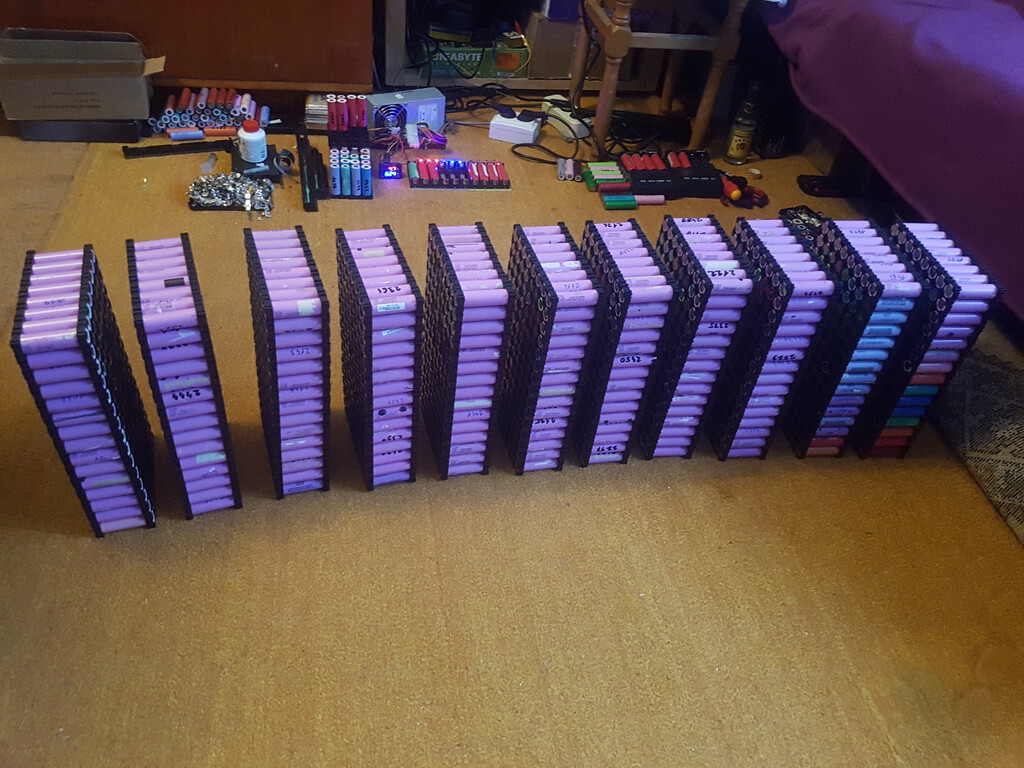
It also demonstrates the resilience of lithium-ion cells, which often retain significant capacity even after being discarded from laptops. With proper testing and management, these cells can be safely used in stationary storage applications.
Challenges and Safety Considerations
Building a DIY battery from recycled cells is not without risks. Lithium-ion batteries can catch fire if mishandled, and using mixed-age cells requires careful monitoring. Glubux's approach of sorting by capacity and using battery management systems is crucial for safety. The background to this story is set out in Worklight: Portable Lithium Battery Lamp for DIY & Home. A related thread runs through Bosch Power4All System: One Battery for All Your DIY Tools. Earlier coverage in Off-Grid Solar Power for Pistachio Processing Plant shows how the argument developed.
Additionally, the process is labor-intensive. Disassembling laptop batteries, testing each cell, and assembling modules takes time and expertise. It's not a project for beginners. A closer look at the same subject appears in Spain's Solar Storage Boost: Eight Containers Power Extremadura Plant. Anyone following the wider picture can start with Space Solar Power: Beaming Sunlight to Earth at Night. The same theme surfaces in Pterosaur Museum in Gobi Desert Thrives on Solar Power, which takes a different angle.
Key Takeaways for Aspiring DIYers
- Sort cells by capacity to ensure balanced performance and safety.
- Use a battery management system to monitor voltage and temperature.
- Start small with a few packs before scaling up.
- Source batteries responsibly from reputable recyclers or e-waste centers.
- Prioritize safety with proper fusing and enclosure.
Comparison: DIY Recycled Battery vs. Commercial Home Battery
| Aspect | DIY Recycled Battery | Commercial Home Battery |
|---|---|---|
| Cost | Low (labor-intensive) | High upfront |
| Capacity | Varies (customizable) | Fixed (e.g., 10-20 kWh) |
| Warranty | None | 5-10 years |
| Installation | DIY | Professional |
| Safety | Depends on builder | Certified |
What to Watch Next
As more people look for affordable energy storage, projects like Glubux's could become more common. However, regulations and safety standards may need to adapt. For now, the Glubux Powerwall stands as a testament to DIY ingenuity and the potential of repurposing old electronics. Context on how this played out before sits in Hilarious Snapchats Proving Life With Dogs Is Never Boring. A companion piece, Funniest Snapchats Proving Life With Dogs Is Nothing Less Than A Comedy Show, approaches the same subject from another angle.
FAQ
How many laptop batteries does Glubux use?
How many laptop batteries does Glubux use?
Glubux uses over 1,000 recycled laptop batteries in his home energy storage system. He started with around 650 cells and continued to expand the bank.
Is it safe to build a DIY battery from recycled laptop cells?
Is it safe to build a DIY battery from recycled laptop cells?
It can be safe if proper precautions are taken, such as sorting cells by capacity, using a battery management system, and ensuring proper fusing and enclosure. However, it requires expertise and carries risks.
How much power can such a DIY battery provide?
How much power can such a DIY battery provide?
Glubux demonstrated running a vacuum cleaner at 1,200 watts, indicating the system can handle typical household appliances. Capacity depends on the number and quality of cells used.
Can I replicate this project at home?
Can I replicate this project at home?
Yes, but it requires significant time, technical skills, and safety knowledge. Start by researching battery management and testing procedures, and consider joining communities like Second Life Storage for guidance.
Browse the Shop
 Acacia frida deluxe solid wood bed frame |
Bedroom bench |
Bed chest drawers |
Lingerie dresser |
Frame base |
Mirror with jewelry storage |
30 Bathroom Vanity |
Memory foam queen mattress |
Mattresses for back pain |
Nightstand set of 2 |
Grand Goldman Shop |
Civil Lawyer
Deutschland Trikot WM 2026







