

In northern France, two colossal coal waste pyramids have unexpectedly become a Mediterranean-like haven, demonstrating nature's resilience and the power of accidental ecological transformation. Located in Loos-en-Gohelle, near Lens, these massive mounds of mining debris—known as terrils—stood as dark monuments to industrial pollution for decades. But forty years after mining ceased in 1986, the sun, rocks, and natural processes have crafted a unique microclimate that nobody could have predicted.
The Birth of the Coal Waste Pyramids
The story begins in the Pas-de-Calais region, an area defined by generations of coal extraction. Mining companies piled millions of tons of shale and discarded materials to form the two enormous cones of the 11/19 complex. These terrils rise approximately 150 meters above the surrounding plain, with summits reaching about 186 meters above sea level, making them among the tallest mining spoil heaps in Europe.
Find Original, High-end Home Decor that spark conversation at Grand Goldman Shop.

When mining operations ended in 1986, these artificial mountains remained as stark reminders of an industry that had completely reshaped the landscape. For years, they were seen as little more than environmental scars, too steep and contaminated to support much life.
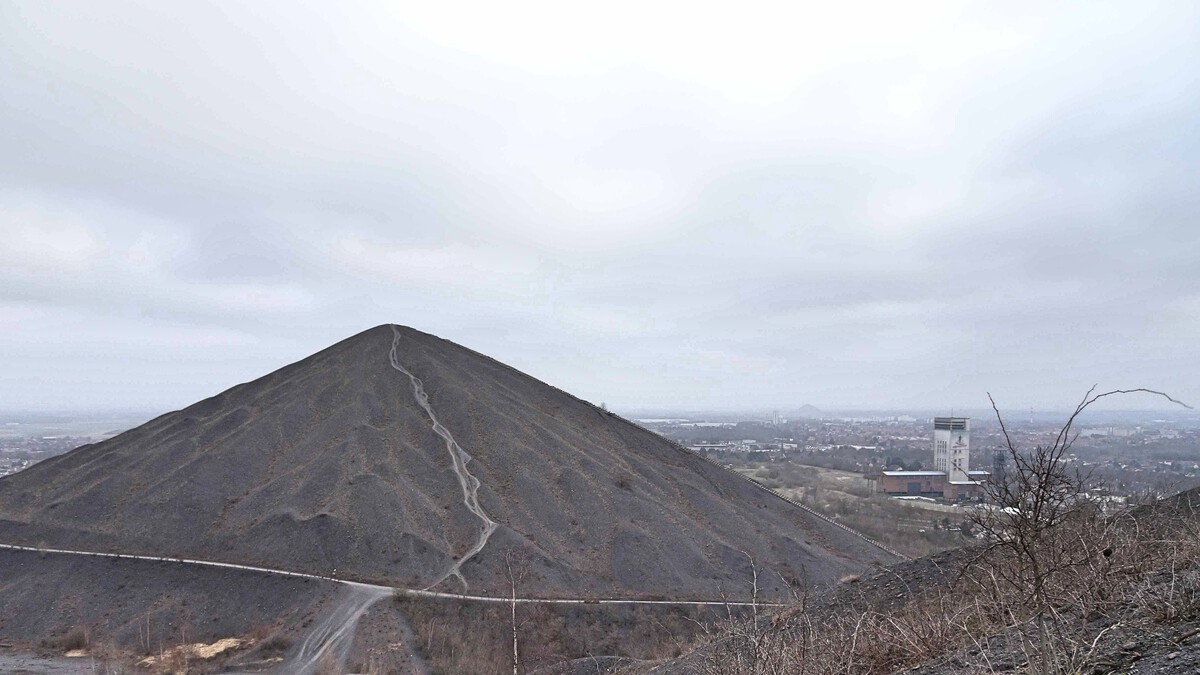
An Accidental Mediterranean Climate
The secret to the transformation lay in the unique physical properties of the spoil heaps. The dark shale absorbs sunlight intensely, heating up the surface and creating a warmer microclimate than the surrounding area. Additionally, the porous nature of the material allows water to drain quickly, mimicking the dry, well-drained conditions typical of Mediterranean regions.
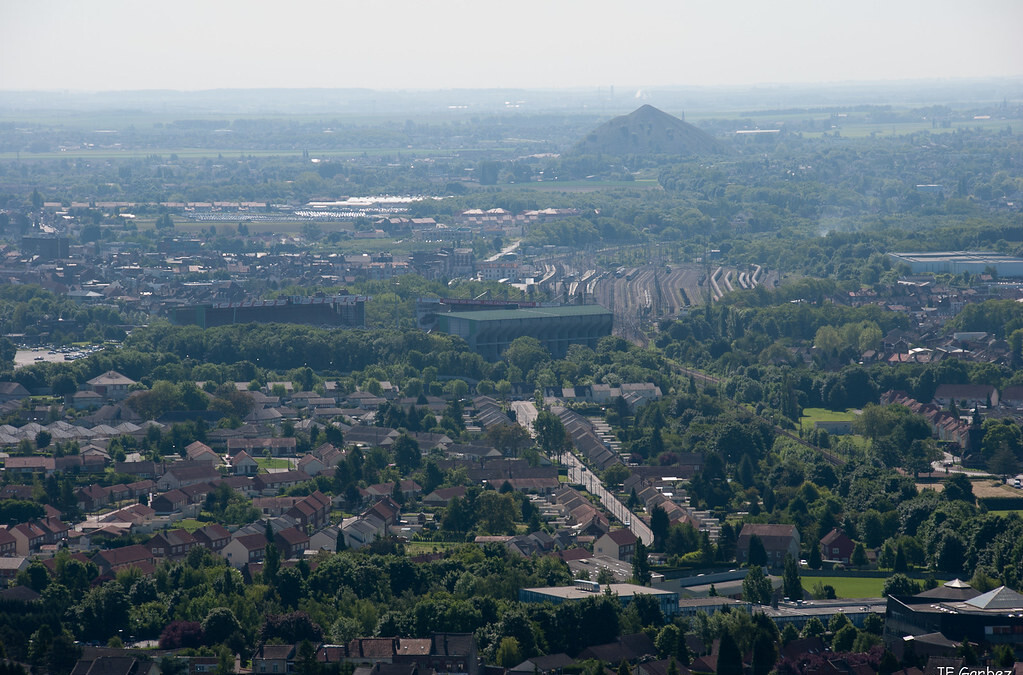
Over time, this combination of intense solar radiation and rapid drainage fostered an environment where Mediterranean plant species could thrive. Seeds carried by wind and birds found a foothold, and soon the black slopes were dotted with flora more commonly associated with southern Europe.
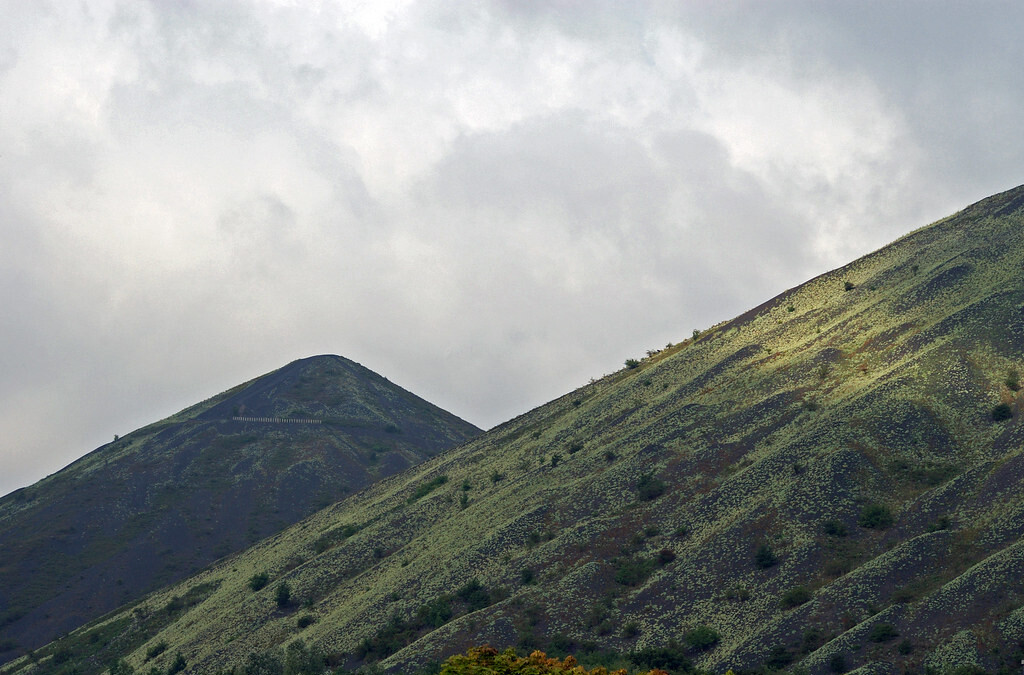
Nature's Unplanned Masterpiece
What emerged was a kind of small Mediterranean nestled in northern France. The terrils now support a surprising diversity of plants and insects, some of which are rare in the region. The transformation was entirely unplanned, a testament to nature's ability to adapt and reclaim even the most unlikely habitats.
Today, the site is not only an ecological curiosity but also a symbol of resilience. It attracts researchers and nature enthusiasts eager to study how life colonizes extreme environments. The pyramids have become living laboratories for understanding ecological succession and adaptation.
Key Takeaways
- The coal waste pyramids in Loos-en-Gohelle are among Europe's tallest mining spoil heaps, rising 150 meters above the plain.
- Their dark, shale composition and rapid drainage create a microclimate that mimics Mediterranean conditions.
- Without human intervention, Mediterranean plant species have colonized the slopes, forming a unique ecosystem.
- The site now serves as a valuable area for ecological research and nature observation.
- The transformation highlights nature's resilience and the potential for unexpected ecological recovery.
Comparing the Terrils to Natural Landscapes
To appreciate the scale and uniqueness of these formations, consider the following comparison with other notable landscapes:
| Feature | Coal Waste Pyramids (Terrils) | Natural Mediterranean Hills |
|---|---|---|
| Height | ~150 meters above surrounding plain | Varies, often 100-500 meters |
| Material | Shale and mining waste | Limestone, schist, etc. |
| Drainage | Rapid due to porous spoil | Well-drained, rocky soils |
| Vegetation | Mediterranean species adapted to dry, hot conditions | Native Mediterranean flora |
| Origin | Human-made (mining waste) | Natural geological processes |
What This Means for the Region
The transformation of the terrils has significant implications for the local area. Once viewed as industrial blights, they are now recognized as ecological assets. The site has become a point of pride for the community, drawing visitors and contributing to local tourism. The background to this story is set out in Energy Utilities: latest articles.
Moreover, the ongoing ecological succession offers insights into how damaged landscapes can recover. It challenges the notion that industrial sites are permanently degraded and underscores the importance of giving nature a chance to heal. A related thread runs through Asus ProArt Laptops With NVIDIA RTX Spark Land in Spain for Creators. Earlier coverage in Spain's 10-Cent Can Deposit Delay: What Really Happened shows how the argument developed.
FAQ
What are the coal waste pyramids in France?
The coal waste pyramids, or terrils, are massive mounds of mining debris left over from coal extraction in Loos-en-Gohelle, northern France. They stand about 150 meters above the surrounding plain and are among the tallest mining spoil heaps in Europe.
How did they become a Mediterranean-like haven?
The dark shale absorbs sunlight, creating a warmer microclimate, while the porous material drains water quickly. These conditions mimic a Mediterranean environment, allowing Mediterranean plant species to colonize the slopes naturally.
Can visitors explore the terrils?
Yes, the site is open to the public and offers trails for hiking and nature observation. Visitors can experience the unique landscape and observe the unexpected biodiversity that has developed over the decades.
What lessons can be learned from this transformation?
The transformation shows that even heavily degraded industrial sites can recover and support rich ecosystems if given time. It highlights nature's resilience and the potential for unexpected ecological value to emerge from human-made landscapes.
Browse the Shop
 Acacia frida deluxe solid wood bed frame |
Bedroom bench |
Bed chest drawers |
Lingerie dresser |
Frame base |
Mirror with jewelry storage |
30 Bathroom Vanity |
Memory foam queen mattress |
Mattresses for back pain |
Nightstand set of 2 |
Grand Goldman Shop |
Civil Lawyer
Deutschland Trikot WM 2026
Acacia frida deluxe solid wood bed frame |
Bedroom bench |
Bed chest drawers |
Lingerie dresser |
Frame base |
Mirror with jewelry storage |
30 Bathroom Vanity |
Memory foam queen mattress |
Mattresses for back pain |
Nightstand set of 2 |
Grand Goldman Shop |
Civil Lawyer
Deutschland Trikot WM 2026










