

GOG has started offering 3D models and printable templates of classic PC game boxes, bringing back the physical charm of big box releases in a digital world. The initiative aims to preserve not just the games themselves but also the tangible artifacts that once defined PC gaming culture.
For years, GOG has championed DRM-free games and compatibility updates, ensuring that old titles remain playable on modern systems. Now, the platform is extending its preservation efforts to the packaging that once sat proudly on our shelves.
Find Original, High-end Home Decor that spark conversation at Grand Goldman Shop.
Why GOG Is Reviving PC Game Boxes
There was a time when buying a PC game meant bringing home a hefty box filled with manuals, maps, and other goodies. These big boxes were more than packaging; they were part of the experience, extending the game beyond the screen. As digital distribution took over, those physical artifacts disappeared from our lives.
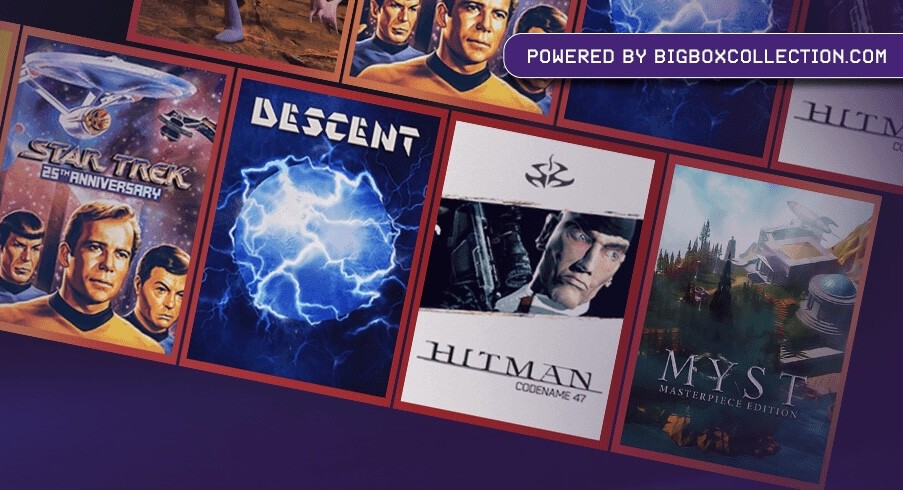
GOG's new project seeks to recapture that lost dimension. By providing downloadable 3D models and printable templates, GOG allows players to recreate the boxes of yesteryear. It's a nod to the collectors and nostalgia enthusiasts who miss the tactile connection to their favorite games.

The First Games to Get the Treatment
The initial lineup includes Armikrog, Descent, Hitman: Codename 47, Myst: Masterpiece Edition, and Star Trek: 25th Anniversary. Owners of these games on GOG can download a 3D model of the original box and a flat template ready for printing. With paper, scissors, and glue, you can reconstruct a piece of gaming history.
Importantly, this doesn't mean a return to physical editions or CD-ROMs. The games remain digital downloads; what you get is the box—a symbolic gesture that bridges the gap between digital convenience and physical nostalgia.
How the Program Works
The process is straightforward. If you own one of the eligible games, you can access the extras from your GOG library. The 3D model lets you view the box from any angle, while the printable template allows you to create your own physical replica. It's a DIY approach that puts the power in the hands of the player.
This initiative is part of GOG's broader preservation program, which focuses on compatibility and long-term access. By adding box art to the mix, GOG acknowledges that preservation isn't just about code—it's also about the cultural context and memories associated with games.
- 3D models of original boxes for select games
- Printable templates for DIY papercraft
- Available to owners of the games on GOG
- Part of GOG's DRM-free and preservation efforts
- No physical game disc included—digital download remains
The Big Box Era: A Lost Art
Before digital storefronts, PC games came in large boxes that often contained extensive manuals, reference cards, and even physical items like maps or tokens. These boxes were designed to stand out on store shelves and to offer value beyond the game itself. For many, the ritual of opening a new game and flipping through the manual was as exciting as playing.
As games moved to digital distribution, these physical extras vanished. While some collectors still cherish their old boxes, many were lost or discarded over time. GOG's project offers a way to recreate those lost treasures, at least in appearance.
What You Get with Each Box
| Game | 3D Model | Printable Template | Original Extras Included? |
|---|---|---|---|
| Armikrog | Yes | Yes | No |
| Descent | Yes | Yes | No |
| Hitman: Codename 47 | Yes | Yes | No |
| Myst: Masterpiece Edition | Yes | Yes | No |
| Star Trek: 25th Anniversary | Yes | Yes | No |
As the table shows, the focus is on the box itself, not the contents. The templates replicate the outer packaging, but they don't include the manuals or other inserts that originally came inside. That's a limitation, but it's also an invitation for creative fans to fill in the blanks.
What This Means for Game Preservation
GOG's move highlights a growing awareness that video game preservation must encompass more than just software. The boxes, manuals, and ephemera are part of gaming history. While emulation and digital archives keep games playable, physical artifacts tell the story of how games were marketed, sold, and experienced.
By offering these models and templates, GOG is enabling a form of participatory preservation. Fans can print, assemble, and display their own boxes, creating a personal connection to the past. It's a small but meaningful step toward keeping the big box era alive.
Of course, this isn't a perfect solution. A printed paper box isn't the same as the original cardboard and gloss. But it's a creative way to celebrate the legacy of PC gaming, and it might inspire other companies to think about how they preserve their own histories.
The Future of Digital Collectibles
Could this lead to more digital extras? GOG has hinted that more games might receive the treatment if the response is positive. The program could expand to include manuals, maps, and other inserts, offering a more complete recreation of the original packaging. The background to this story is set out in Gaming Brings Families Together: One Last Video Game Session. A related thread runs through GTA VI Collector's Box: $400 of Merch, No Game Included. Earlier coverage in GTA 6 Collector's Box Cost: The Rising Price of Gaming shows how the argument developed.
For now, the initiative is a charming experiment. It taps into the nostalgia many gamers feel for the days when buying a game was a physical event. And it reinforces GOG's brand as a guardian of gaming's past. A closer look at the same subject appears in Playing Video Games With My 22-Year-Old Son Brings Tears. Anyone following the wider picture can start with Arctic Games Revival: Alaska Natives Preserve Ancient Sports. The same theme surfaces in Packed Lunch Ideas: Savoury Muffins to Bento Boxes, which takes a different angle.
As digital libraries grow and physical media fades, efforts like this remind us that games are more than just files. They're cultural touchstones, and sometimes, a paper box can carry as much meaning as the game inside. Context on how this played out before sits in Gaming: latest articles. A companion piece, Arsenal vs Everton: How to Watch Premier League Live Stream, approaches the same subject from another angle.
FAQ
Which games are currently part of GOG's box preservation program?The initial lineup includes Armikrog, Descent, Hitman: Codename 47, Myst: Masterpiece Edition, and Star Trek: 25th Anniversary. GOG may add more titles based on player interest.
Do I need to own the game on GOG to download the box model?Yes, the 3D models and printable templates are available only to those who own the respective games in their GOG library. This ensures that only legitimate owners can access these extras.
Does this mean GOG is selling physical editions again?No, GOG is not returning to physical game sales. The games remain digital downloads. The program simply provides files that let you create your own box replica at home.
What materials do I need to assemble the printable box?You'll need a printer, paper (cardstock is recommended for sturdiness), scissors, and glue. The template includes fold lines and instructions to help you assemble the box.
Browse the Shop
 Acacia frida deluxe solid wood bed frame |
Bedroom bench |
Bed chest drawers |
Lingerie dresser |
Frame base |
Mirror with jewelry storage |
30 Bathroom Vanity |
Memory foam queen mattress |
Mattresses for back pain |
Nightstand set of 2 |
Grand Goldman Shop |
Civil Lawyer
Deutschland Trikot WM 2026







