

Artemis II, NASA's mission to return humans to the Moon, is set to launch today after more than 50 years since the last crewed lunar voyage. The mission marks a new era of space exploration, with a diverse crew and ambitious goals for future lunar landings.
The countdown for Artemis II is not the familiar 10-second sequence but a lengthy 50-hour process. During this time, engineers meticulously check every factor that could delay the launch, ensuring that all systems are ready for the historic flight.
Find Original Home Decor sparking conversation at Grand Goldman Shop.

Meet the Artemis II Crew
The four astronauts aboard the Orion capsule are Reid Wiseman, Victor Glover, Christina Koch, and Jeremy Hansen. This crew represents a significant departure from the Apollo missions, which were crewed exclusively by white American men.
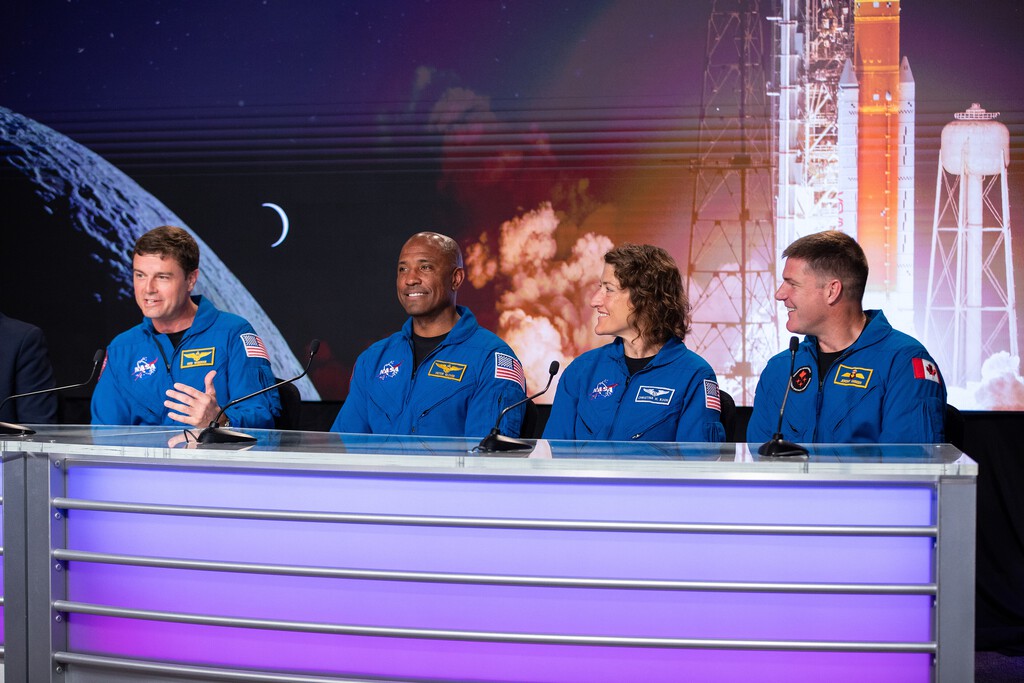
Victor Glover will become the first Black person to travel to the Moon, while Christina Koch will be the first woman. Jeremy Hansen, from Canada, will be the first Canadian to venture beyond Earth's orbit. Their participation highlights NASA's commitment to diversity and inclusion in space exploration.
Mission Objectives: What Artemis II Will Achieve
Artemis II will not land on the Moon; that milestone is reserved for Artemis III. Instead, the 10-day mission will include a flyby of the Moon, testing critical systems such as life support, navigation, and communications.
The crew will also capture photographs of the far side of the Moon, providing valuable data for future missions. This flyby will help NASA understand how the spacecraft performs in the lunar environment, paving the way for a safe landing on Artemis III.
Why Artemis II Matters
Artemis II is a crucial step toward establishing a sustainable human presence on the Moon. The mission will demonstrate the capabilities of the Orion spacecraft and the Space Launch System rocket, which are designed for deep space exploration.
Success will bring us closer to landing the first woman and the first person of color on the Moon, a key goal of the Artemis program. It also sets the stage for future missions to Mars. The background to this story is set out in Artemis II Launches Successfully: Humanity Returns to the Moon. A related thread runs through Artemis II Moon Flyby Photos: Why the Mission Already Matters. Earlier coverage in NASA Launch Facilities Too Old for Artemis Moon Missions shows how the argument developed.
Key Takeaways from Artemis II
- Historic crew: First Black person, first woman, and first Canadian to travel to the Moon.
- 10-day mission: Includes a lunar flyby to test life support, navigation, and communications.
- No landing: Artemis II will not land; that is planned for Artemis III.
- 50-hour countdown: Extensive checks ensure all systems are go for launch.
- Path to Mars: Artemis II validates technology for future deep space missions.
Artemis II vs. Apollo Missions
| Aspect | Apollo Missions | Artemis II |
|---|---|---|
| Crew Diversity | All white American men | Includes first Black person, first woman, first Canadian |
| Mission Duration | Up to 12 days | 10 days |
| Landing | Yes (Apollo 11-17) | No (flyby only) |
| Primary Goal | Land humans on Moon | Test systems for future landing |
What to Watch Next
Following Artemis II, NASA will proceed with Artemis III, which aims to land astronauts on the lunar surface. The agency is also working on the Gateway lunar station and plans to send humans to Mars in the 2030s. A closer look at the same subject appears in NASA Starliner: Astronauts Stranded 9 Months, NASA Still Trusts Boeing. Anyone following the wider picture can start with Lunar Time Clash: How a Microsecond GPS Error Threatens Moon Landings. The same theme surfaces in Voyager 1 Reaches One Light-Day from Earth: 24-Hour Signal Delay, which takes a different angle.
The success of Artemis II will depend on the meticulous countdown and the performance of the Orion spacecraft. As the world watches, this mission will inspire a new generation and reaffirm humanity's quest to explore the cosmos. Context on how this played out before sits in NASA Sends Three Fully Autonomous Robots to the Moon. A companion piece, NASA's Artemis III Moon Landing Delayed: Why It's a Step Forward, approaches the same subject from another angle.
FAQ
When is the Artemis II launch?
Artemis II is scheduled to launch today, with a 50-hour countdown that began earlier. The exact launch time depends on weather and technical readiness.
Who are the astronauts on Artemis II?
The crew consists of Reid Wiseman, Victor Glover, Christina Koch, and Jeremy Hansen. Glover, Koch, and Hansen are making history as the first Black person, first woman, and first Canadian to travel to the Moon.
Will Artemis II land on the Moon?
No, Artemis II will not land. It will perform a flyby of the Moon to test critical systems. The first landing since Apollo is planned for Artemis III.
How long is the Artemis II mission?
The mission is expected to last about 10 days, during which the crew will orbit Earth, fly around the Moon, and return.
Browse the Shop
 Acacia frida deluxe solid wood bed frame |
Bedroom bench |
Bed chest drawers |
Lingerie dresser |
Frame base |
Mirror with jewelry storage |
30 Bathroom Vanity |
Memory foam queen mattress |
Mattresses for back pain |
Nightstand set of 2 |
Grand Goldman Shop |
Civil Lawyer
Deutschland Trikot WM 2026







