

NASA is pushing the Orion spacecraft to its limits with extreme acoustic testing, blasting it with high-decibel sound from a array of loudspeakers to simulate the intense noise of launch and re-entry. This testing is critical for ensuring astronaut safety and mission success as the Artemis program aims to return humans to the Moon.
Why Acoustic Testing Matters for Orion
During launch and ascent, the Orion spacecraft experiences extreme acoustic loads generated by the rocket engines and aerodynamic forces. These vibrations can potentially damage critical systems and components. To ensure the spacecraft can withstand these conditions, NASA conducts rigorous acoustic tests using massive speaker arrays that produce sound levels exceeding 150 decibels.
Find Original Home Decor sparking conversation at Grand Goldman Shop.

The recent test campaign, conducted at NASA's Kennedy Space Center, subjected the Orion crew module to a barrage of sound waves designed to mimic the acoustic environment of a launch. Engineers placed sensors throughout the spacecraft to measure the response and identify any areas of concern.
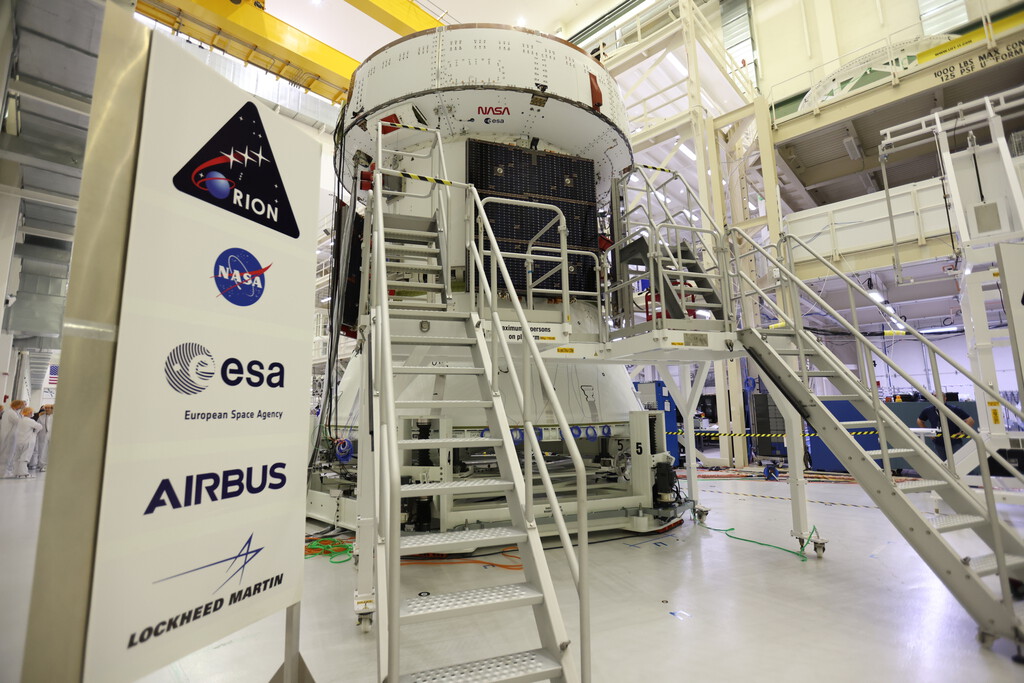
Europe's Role in the Artemis Program
While Artemis is led by NASA, it is a truly international endeavor. The European Space Agency (ESA) contributes the European Service Module (ESM), which provides propulsion, power, and life support for Orion. Airbus Space recently announced that the third ESM, destined for the Artemis III mission, has had its four solar wings installed.
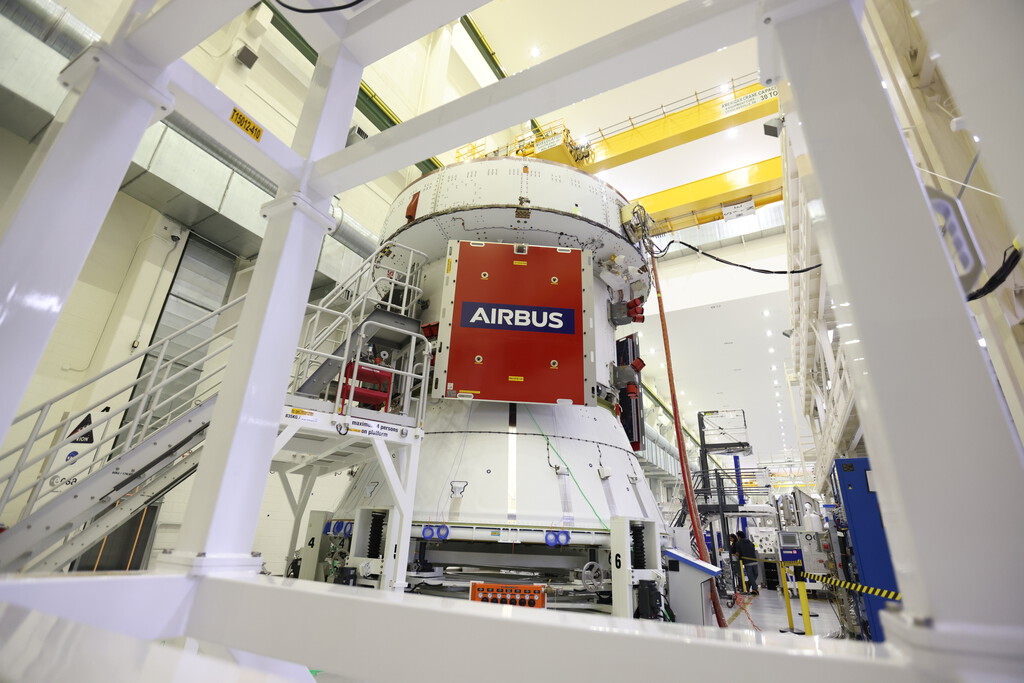
These solar wings will generate electricity for Orion during its missions, but they are just one part of the ESM's critical functions. The module also houses the spacecraft's main engine, thrusters, and tanks for water, oxygen, and nitrogen. In many ways, the ESM is the backbone of Orion, without which the spacecraft cannot operate.
The Importance of International Collaboration
The Artemis program demonstrates how international collaboration can achieve ambitious goals. By pooling resources and expertise, NASA and its partners are building a sustainable presence on and around the Moon. The ESM is a prime example of this collaboration, with European industries contributing essential hardware and know-how.
As Artemis moves forward, the role of international partners will only grow. Future missions may include contributions from Japan, Canada, and other space agencies, each bringing unique capabilities to the table. This collaborative approach not only shares the cost but also fosters innovation and strengthens global ties. The background to this story is set out in NASA Launch Facilities Too Old for Artemis Moon Missions. A related thread runs through NASA Creates Emeritus Astronaut Title as Retirements Rise. Earlier coverage in NASA Starliner: Astronauts Stranded 9 Months, NASA Still Trusts Boeing shows how the argument developed.
What's Next for Orion and Artemis
Following the successful acoustic testing, the Orion crew module will undergo further checks and integration with the service module. The next major milestone is the Artemis I uncrewed test flight, which will send Orion around the Moon and back. This mission will validate the spacecraft's systems in the harsh environment of space. A closer look at the same subject appears in NASA Sends Three Fully Autonomous Robots to the Moon. Anyone following the wider picture can start with NASA Voyager 2 Power Boost: Extending Interstellar Mission. The same theme surfaces in Corrections and Clarifications: Madrid F1 Noise Decibel Correction, which takes a different angle.
If Artemis I is successful, Artemis II will carry astronauts on a similar trajectory, followed by Artemis III, which aims to land astronauts on the lunar surface. Each mission builds on the previous one, gradually increasing complexity and capability. Context on how this played out before sits in Geomagnetic Storm Saturation Myth Debunked by NASA Study. A companion piece, Madrid Wildfire Threatens NASA Deep Space Network Facility, approaches the same subject from another angle.
Key Takeaways
- NASA's acoustic testing simulates the intense sound and vibration of launch to ensure Orion's integrity.
- The European Service Module provides critical propulsion, power, and life support for Orion.
- Airbus Space has installed solar wings on the ESM-3, which will fly on Artemis III.
- International collaboration is essential to the success of the Artemis program.
- Upcoming Artemis missions will progressively test Orion and its systems, leading to a crewed lunar landing.
Orion vs. Previous Spacecraft: Acoustic Testing Comparison
| Spacecraft | Acoustic Test Level (dB) | Testing Facility | Notable Features |
|---|---|---|---|
| Orion | 150+ | Kennedy Space Center | Designed for deep space missions |
| Apollo Command Module | 140-150 | Various | Used for Moon landings |
| Space Shuttle | 140-150 | Johnson Space Center | Reusable, low Earth orbit |
| Crew Dragon | 140-150 | SpaceX Facilities | Commercial crew vehicle |
FAQ
What is the purpose of acoustic testing on Orion?
Acoustic testing ensures that the Orion spacecraft can withstand the intense sound and vibration during launch and ascent, protecting critical systems and astronaut safety.
How does the European Service Module contribute to Orion?
The European Service Module provides propulsion, electrical power, water, oxygen, and thermal control for the Orion spacecraft, making it essential for mission success.
When will Artemis III land astronauts on the Moon?
Artemis III is currently targeted for the mid-2020s, following the uncrewed Artemis I and crewed Artemis II missions. The exact date depends on the progress of spacecraft development and testing.
Why is international collaboration important for Artemis?
International collaboration allows sharing of costs, expertise, and resources, enabling a more robust and sustainable program. It also fosters global partnerships and advances space exploration for all.
Browse the Shop
 Acacia frida deluxe solid wood bed frame |
Bedroom bench |
Bed chest drawers |
Lingerie dresser |
Frame base |
Mirror with jewelry storage |
30 Bathroom Vanity |
Memory foam queen mattress |
Mattresses for back pain |
Nightstand set of 2 |
Grand Goldman Shop |
Civil Lawyer
Deutschland Trikot WM 2026







