

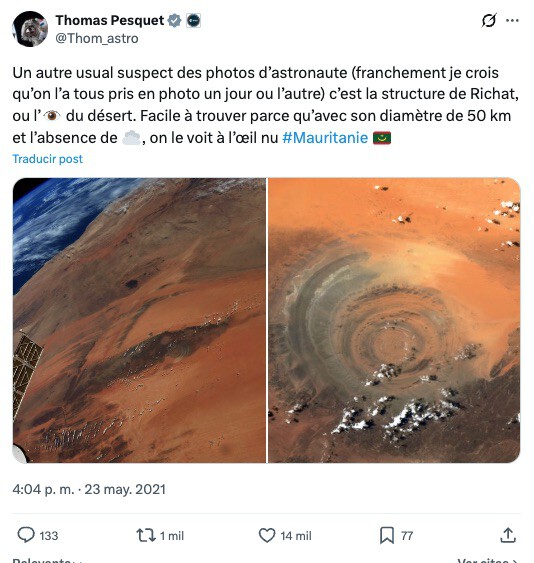
The Sahara's Eye of the Earth, a 50-kilometer-wide circular formation in Mauritania, has fascinated NASA astronauts and scientists for 60 years. This mysterious 'perfect eye' in the desert, known as the Richat Structure, has been photographed from space by countless astronauts, including French astronaut Thomas Pesquet, who noted that nearly all astronauts have captured it because it's impossible to miss. But what exactly is this giant eye, and why does it continue to baffle experts?
What Is the Richat Structure?
The Richat Structure, also called the Eye of the Sahara, is a prominent circular geological feature in the Adrar Plateau of the Sahara Desert in Mauritania. It spans nearly 50 kilometers in diameter, making it visible from space with the naked eye. Its concentric rings have made it a landmark for astronauts and a subject of scientific intrigue since the 1960s.
Find Original Home Decor sparking conversation at Grand Goldman Shop.

Initially, scientists debated whether it was formed by a meteorite impact or volcanic activity. However, modern research suggests it is the result of erosion of a geological dome, exposing layers of sedimentary rock that have been shaped over millions of years. The structure's perfect circularity is a rare natural phenomenon that continues to attract researchers worldwide.
Why Is the Eye of the Earth So Mysterious?
The Sahara's Eye is mysterious because its origin remains partly unresolved. While erosion is the leading explanation, the exact processes that created such a symmetrical formation are still studied. The structure's size and precise rings are unusual, prompting comparisons to artificial constructions and even alien theories, though scientists dismiss these as speculative.
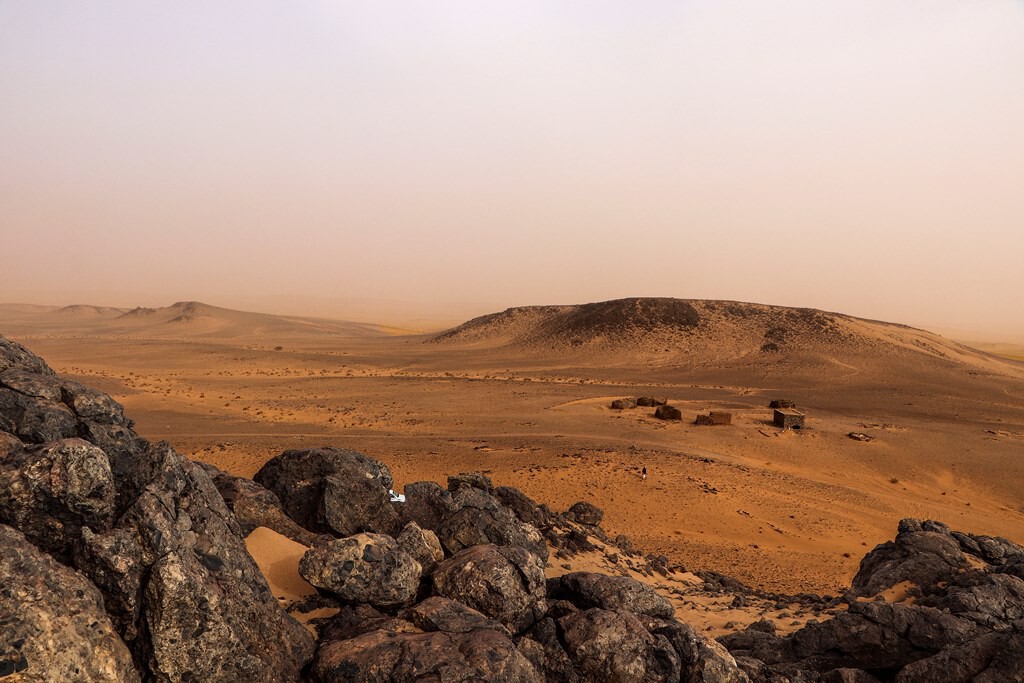
Moreover, the Richat Structure has historical significance: during World War II, pilots used it as a visual landmark for navigation. Its visibility from high altitudes made it a natural beacon in the vast desert. Today, it serves as a testing ground for geological theories and a reminder of Earth's hidden wonders.
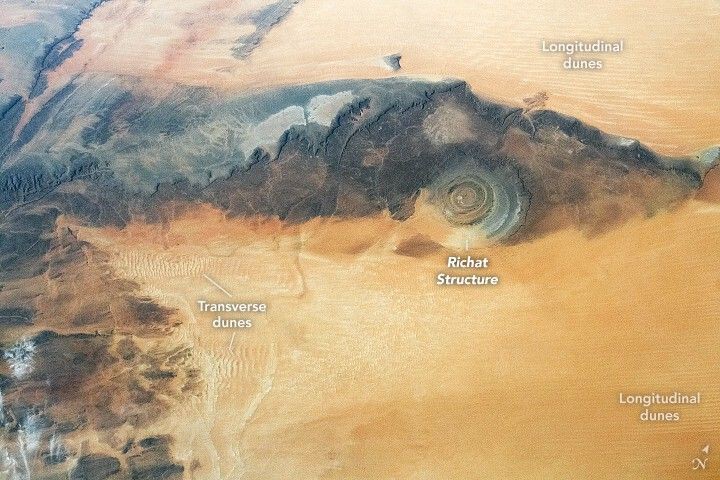
How Did NASA Capture the Eye of the Sahara?
NASA has captured the Eye of the Sahara through satellite imagery and astronaut photography from the International Space Station. The structure's distinct rings are best seen from space due to its massive scale. Astronauts often photograph it because it stands out dramatically against the desert landscape.
These images have helped scientists analyze the structure's composition and erosion patterns. NASA's Earth observation programs continue to monitor the site, providing data for geological research and educational outreach. The photos also inspire public interest in Earth sciences, showcasing how our planet can be as alien-looking as other worlds. The background to this story is set out in Berliet T100: The Giant French Truck That Failed in the Sahara. A related thread runs through NASA Starliner: Astronauts Stranded 9 Months, NASA Still Trusts Boeing. Earlier coverage in NASA Creates Emeritus Astronaut Title as Retirements Rise shows how the argument developed.
Key Takeaways About the Richat Structure
- Size: Approximately 50 kilometers in diameter, covering an area larger than Madrid.
- Location: Adrar Plateau, Mauritania, in the Sahara Desert.
- Origin: Likely formed by erosion of a geological dome, not a meteorite impact.
- Visibility: Clearly visible from space; used as a landmark by WWII pilots.
- Scientific Value: Offers insights into sedimentary rock layers and erosion processes.
Comparing the Richat Structure to Other Geological Wonders
| Feature | Diameter | Location | Origin |
|---|---|---|---|
| Richat Structure | ~50 km | Mauritania | Erosion of dome |
| Grand Canyon | 446 km long | USA | River erosion |
| Great Dike of Zimbabwe | 550 km long | Zimbabwe | Magmatic intrusion |
| Meteor Crater | 1.2 km | USA | Meteorite impact |
This comparison highlights the unique scale and formation of the Richat Structure. Unlike the Grand Canyon's linear erosion or Meteor Crater's impact origin, the Eye of the Sahara's concentric rings result from dome erosion, making it a geological oddity. A closer look at the same subject appears in Mysterious Structure at Scarborough Shoal: Satellite Images Reveal. Anyone following the wider picture can start with 500 Tortoises Released to Stop Sahara Desert Spreading in Africa. The same theme surfaces in NASA Gravity Map Reveals Earth's True Lumpy Shape, which takes a different angle.
What to Watch Next in Saharan Exploration
Future research aims to date the rock layers more precisely and understand the climate history recorded in the sediments. As technology improves, scientists may uncover new details about the structure's formation and its role in Earth's geological history. The Eye of the Sahara remains a testament to our planet's capacity to surprise and inspire. Context on how this played out before sits in Oldest Human Remains in Antarctica: A 200-Year-Old Mystery. A companion piece, NASA Uses Actigraph Wristbands to Monitor Astronaut Sleep, approaches the same subject from another angle.
FAQ
What is the Eye of the Sahara?
The Eye of the Sahara, or Richat Structure, is a circular geological formation in Mauritania, about 50 km in diameter. It is believed to be the eroded remnant of a geological dome, visible from space.
Why is it called the Eye of the Earth?
Its concentric rings resemble an eye when viewed from above, and its massive scale makes it a striking feature from space. NASA astronauts have popularized the nickname through their photographs.
Is the Richat Structure a meteorite crater?
No, scientific consensus indicates it is not an impact crater. The structure is composed of sedimentary rock layers exposed by erosion, not shock metamorphism typical of impacts.
Can you visit the Richat Structure?
Yes, guided tours are available from nearby towns like Ouadane, but the remote location and harsh desert conditions require careful planning. It is best visited from October to March.
Browse the Shop
 Acacia frida deluxe solid wood bed frame |
Bedroom bench |
Bed chest drawers |
Lingerie dresser |
Frame base |
Mirror with jewelry storage |
30 Bathroom Vanity |
Memory foam queen mattress |
Mattresses for back pain |
Nightstand set of 2 |
Grand Goldman Shop |
Civil Lawyer
Deutschland Trikot WM 2026







