

SpaceX is gearing up for a pivotal test flight of its Starship V3 rocket, the most powerful ever built, on May 21. This mission could be a game-changer in the race to return astronauts to the Moon.
The launch is scheduled for 16:30 EDT (22:30 Spanish peninsular time) and will mark the first flight of the third-generation Starship and Super Heavy booster. This version includes numerous upgrades that are critical for SpaceX's future projects, especially its role in landing astronauts on the Moon as part of NASA's Artemis program.
Find Original Home Decor sparking conversation at Grand Goldman Shop.

Why the Starship V3 Launch Matters
SpaceX is competing with Blue Origin to provide the lunar lander for the Artemis missions. Blue Origin's lander is also progressing well, so a successful flight of Starship V3 is crucial for SpaceX to maintain its edge. The stakes are high: the winner will ferry the next batch of astronauts to the lunar surface.
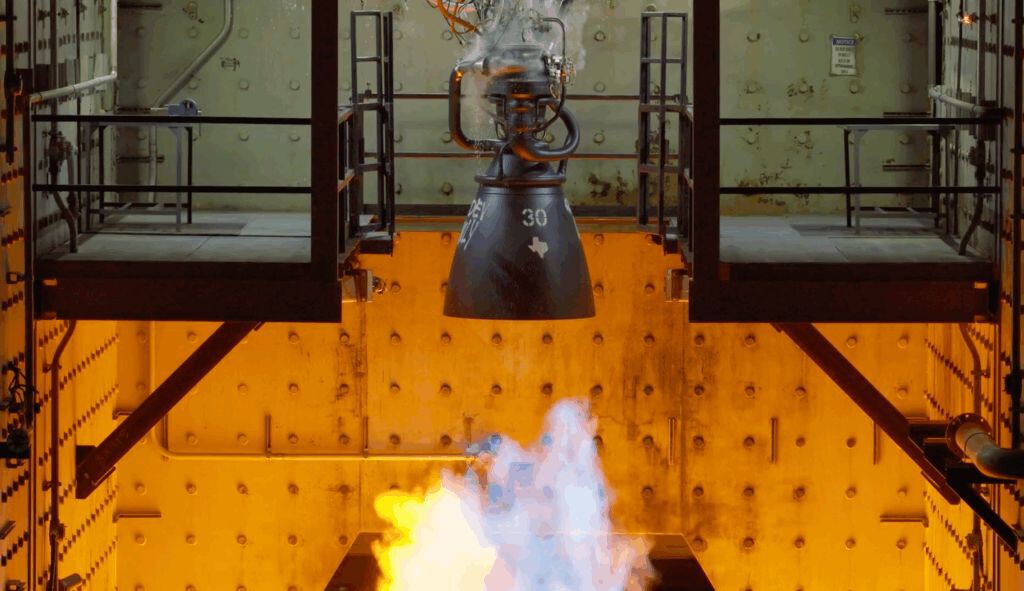
This test flight is not just about bragging rights; it's about proving that Starship V3 can reliably perform the complex maneuvers required for a lunar landing. Success here brings SpaceX one step closer to securing its position as the primary private partner for NASA's Moon missions.
Key Upgrades in Starship V3
The V3 iteration of Starship and Super Heavy boasts several significant improvements. The Super Heavy booster is now taller, standing at 72.3 meters compared to the previous 71 meters. It also carries 250 more tons of propellant, bringing the total to 3,650 tons of liquid methane and liquid oxygen.
These enhancements are designed to increase thrust and payload capacity, making the rocket more capable of supporting deep-space missions. Additionally, the innovative internal propellant transfer system has been refined, which is essential for long-duration flights and orbital refueling—a key requirement for lunar missions.
- Taller booster: Super Heavy grows to 72.3 meters, adding more propellant capacity.
- Increased propellant: 3,650 tons of methane and liquid oxygen, up 250 tons from V2.
- Improved propellant transfer: Enhanced system for orbital refueling, critical for lunar missions.
- Competition with Blue Origin: A successful flight is vital to secure NASA's Artemis lander contract.
- Date and time: Launch set for May 21 at 16:30 EDT (22:30 CEST).
How Starship V3 Compares to Previous Versions
The table below summarizes the key specifications and changes between Starship V2 and V3.
| Feature | Starship V2 | Starship V3 |
|---|---|---|
| Super Heavy height | 71 m | 72.3 m |
| Propellant capacity | 3,400 tons | 3,650 tons |
| Propellant transfer system | Standard | Improved |
| Primary use | Test flights | Lunar missions (potential) |
What This Means for the Lunar Race
SpaceX's Starship V3 is one of two candidates for the Artemis lunar lander, the other being Blue Origin's National Team lander. NASA will ultimately choose one or both for future missions. A successful test flight would demonstrate SpaceX's capability and reliability, potentially giving it an advantage.
However, Blue Origin is not standing still. Its lander is also making progress, and the competition is fierce. The outcome of this test flight could influence NASA's decision and shape the future of lunar exploration.
For those interested in the broader implications of space exploration and rocket technology, the recent SpaceX rocket crash on the Moon offers valuable lessons. You can read more about it in our article on SpaceX Rocket Crash on Moon: What It Means for Science.
What to Watch Next
After the launch, SpaceX will analyze data from the flight to assess the performance of the V3 upgrades. If successful, the company will move closer to orbital refueling tests and eventual lunar missions. NASA is expected to make decisions about the Artemis lander contracts in the coming months. The background to this story is set out in SpaceX Starship Reaches Orbit for the First Time Ever. A related thread runs through NASA's Moonfall Mission: Four Drones to Explore Lunar South Pole.
The launch will be streamed live, and space enthusiasts around the world will be watching closely. The outcome could redefine the timeline for returning humans to the Moon. Earlier coverage in SpaceX Starship Reaches Orbit for First Time in Historic Test Flight shows how the argument developed. A closer look at the same subject appears in NASA's Lunar Caves: PRISM Missions to Scout Astronaut Shelters.
As the competition heats up, the business of space is becoming increasingly dynamic. For a deeper dive into the commercial aspects of space exploration, check out our Business section. Anyone following the wider picture can start with Musk Says Rivals' Future Plans Still Trail SpaceX Starship. The same theme surfaces in SpaceX Rocket Crashes into Moon: What It Means for Space Debris, which takes a different angle.
FAQ
When is the Starship V3 launch scheduled?
The launch is scheduled for May 21 at 16:30 EDT (22:30 Spanish peninsular time).
What are the main improvements in Starship V3?
Starship V3 features a taller Super Heavy booster (72.3 meters), increased propellant capacity (3,650 tons), and an improved propellant transfer system for orbital refueling.
Why is this launch important for the lunar race?
SpaceX is competing with Blue Origin to provide the lunar lander for NASA's Artemis missions. A successful flight would demonstrate SpaceX's capability and strengthen its position.
How does Starship V3 compare to Blue Origin's lander?
Both are candidates for the Artemis lander. While SpaceX's Starship is larger and designed for full reusability, Blue Origin's lander is also progressing. NASA will evaluate both.
Browse the Shop
 Acacia frida deluxe solid wood bed frame |
Bedroom bench |
Bed chest drawers |
Lingerie dresser |
Frame base |
Mirror with jewelry storage |
30 Bathroom Vanity |
Memory foam queen mattress |
Mattresses for back pain |
Nightstand set of 2 |
Grand Goldman Shop |
Civil Lawyer
Deutschland Trikot WM 2026







