

In 1984, Japan launched a project that seemed designed for a world that didn't yet exist. Ken Sakamura, a professor at the University of Tokyo, created TRON (The Real-time Operating system Nucleus) with an incredibly ambitious goal: to be the foundation for a family of operating systems that could adapt to automobiles, industrial systems, communication devices, and everyday objects—not just personal computers.
TRON was never a single operating system. It was an umbrella that spawned different architectures: ITRON for real-time embedded systems, BTRON for PCs, CTRON for telecommunications, and others. Sakamura published specifications that manufacturers then implemented. The specifications were free and royalty-free, but the operating systems developed by companies like Matsushita were not necessarily free.
Find Original Home Decor sparking conversation at Grand Goldman Shop.

BTRON: The Would-Be Windows of Asia
BTRON, the variant for personal computers, aimed to be the Japanese Windows. Development began in the mid-1980s and featured a graphical interface, multitasking architecture, and a model that integrated documents and applications in novel ways. It was poised to challenge the dominance of American software.
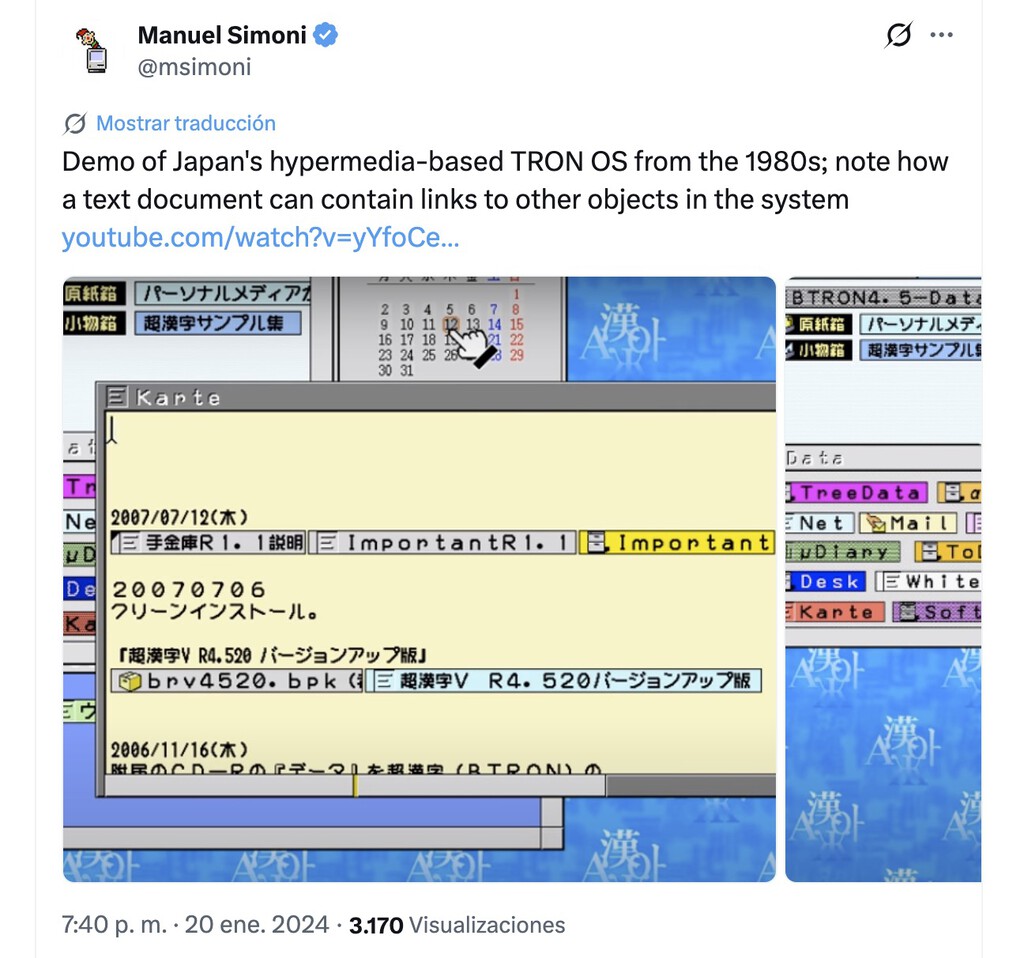
However, TRON's rise was halted by a twist: the United States. In 1989, the U.S. Trade Representative cited TRON as a trade barrier, arguing that its widespread adoption in Japan would exclude American companies from the Japanese market. Although TRON was never an official standard, the pressure and subsequent negotiations led to its decline in the PC market.
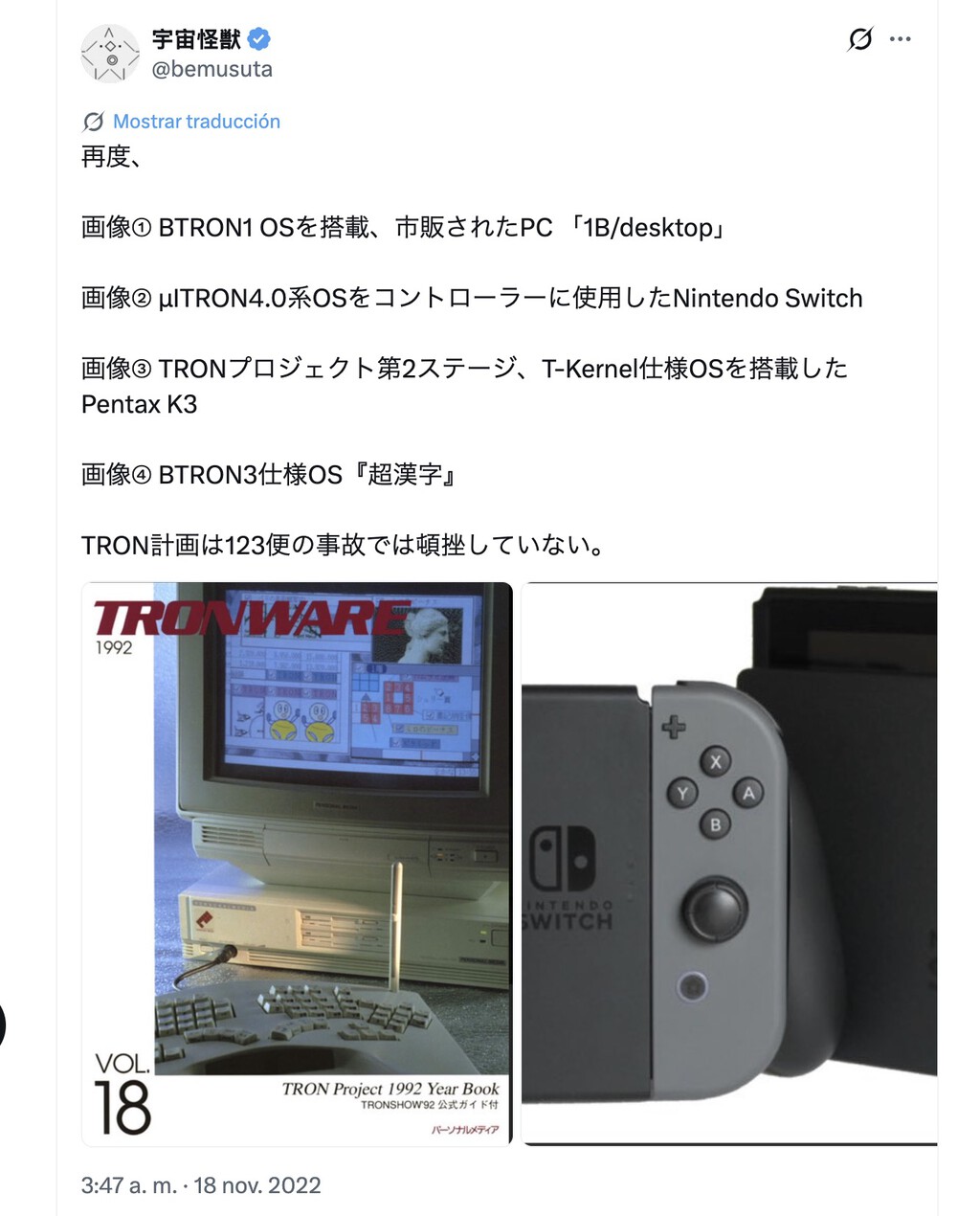
Why TRON Matters Today
Despite BTRON's failure in PCs, ITRON thrived in embedded systems. It became one of the most widely used real-time operating systems in the world, powering countless devices from cars to robots. Its influence extends to modern gaming: the Nintendo Switch's operating system is based on a descendant of ITRON.

This legacy shows how a project can pivot from its original ambition to become ubiquitous in unexpected areas. TRON's story is a reminder that technological dominance isn't always about direct competition; sometimes it's about finding the right niche.

Key Takeaways from TRON's History
- TRON was a family of specifications, not a single OS, with variants for different use cases.
- BTRON aimed to be the Asian Windows but was derailed by U.S. trade pressure in the late 1980s.
- ITRON succeeded in embedded systems, becoming a de facto standard for real-time applications.
- The Nintendo Switch uses an ITRON-based OS, showcasing TRON's long-term impact.
- Free specifications and royalty-free licensing encouraged adoption but didn't guarantee market dominance.
TRON vs. Contemporary Operating Systems
To understand TRON's place, compare it with other OSes of its time. The table below highlights key differences.
| Operating System | Year Introduced | Primary Use | Licensing | Legacy |
|---|---|---|---|---|
| TRON (ITRON) | 1984 | Embedded systems | Royalty-free specifications | Widely used in embedded devices, Nintendo Switch |
| MS-DOS | 1981 | Personal computers | Proprietary | Dominant in PC market until Windows 95 |
| Mac OS | 1984 | Personal computers | Proprietary | Pioneered GUI, still used today |
| Windows | 1985 | Personal computers | Proprietary | Became the dominant PC OS |
The U.S. Factor and Trade Tensions
The U.S. government's opposition to TRON was a significant blow. In 1989, the U.S. Trade Representative listed TRON as a trade barrier, claiming it would close off Japan's market to American software. This pressure, combined with internal challenges, prevented BTRON from achieving its global ambitions. The longer history behind the story is traced in El Ajedrecista: The First Computer Game by Leonardo Torres Quevedo.
Interestingly, TRON's specifications were open, which paradoxically made it vulnerable to such accusations. The lack of a single controlling entity meant that no one could effectively defend it against political attacks. The background to this story is set out in Nintendo Switch Sports Resort Review: Wii Sports Magic Returns. A related thread runs through MediaMarkt Deals: Save on Xiaomi TV, Nintendo Switch. Earlier coverage in AliExpress Gaming Sale: Nintendo Switch 2 and More Deals shows how the argument developed.
TRON's Unexpected Comeback in Gaming
The Nintendo Switch, released in 2017, runs on an operating system derived from ITRON. This connection surprised many, as TRON was largely forgotten in the PC world. But in the embedded realm, ITRON had quietly become a standard. A closer look at the same subject appears in Nintendo Switch 2 Bundles to Buy Before the Price Hike. Anyone following the wider picture can start with MediaMarkt Outlet Sale: Nintendo Switch 2 and PS Portal Deals. The same theme surfaces in Nintendo Switch 2 Zelda 40th Anniversary Edition Sells Out Fast, which takes a different angle.
This resurgence highlights how technologies can find new life in different contexts. The Switch's success has brought renewed attention to TRON's legacy, even if most users are unaware of its origins. Context on how this played out before sits in MediaMarkt Outlet Sale: PS Portal and Nintendo Switch at Low Prices. A companion piece, Nintendo Switch 2 Grip and Case Bundle Fixes Comfort and Protection, approaches the same subject from another angle.
FAQ
What was the TRON project?
TRON was a Japanese project started in 1984 by Ken Sakamura to create a family of operating system specifications for various devices, including computers, cars, and embedded systems. It was never a single OS but a set of architectures like ITRON and BTRON.
Why did BTRON fail to become the Asian Windows?
BTRON, the PC variant, faced opposition from the U.S. government, which saw it as a trade barrier in 1989. This pressure, along with market dynamics, prevented it from gaining widespread adoption outside Japan.
How is TRON related to the Nintendo Switch?
The Nintendo Switch's operating system is based on a descendant of ITRON, the embedded real-time OS from the TRON family. This shows how TRON's influence persists in modern devices.
Is TRON still used today?
Yes, ITRON and its variants are still used in many embedded systems, including automotive and industrial applications. Its royalty-free specifications continue to make it attractive for manufacturers.
Browse the Shop
 Acacia frida deluxe solid wood bed frame |
Bedroom bench |
Bed chest drawers |
Lingerie dresser |
Frame base |
Mirror with jewelry storage |
30 Bathroom Vanity |
Memory foam queen mattress |
Mattresses for back pain |
Nightstand set of 2 |
Grand Goldman Shop |
Civil Lawyer
Deutschland Trikot WM 2026







