

When CERN’s accelerator control systems faced a software deadline, the organization had to choose between replacing more than a thousand computers or changing its operating system. The decision highlights a growing challenge in industrial computing: how to keep critical hardware running when software requirements evolve.
Many of us have faced a similar dilemma at home: a device that still works perfectly but no longer receives updates, or a computer that can’t meet the requirements for the latest Windows. At CERN, this domestic problem scales up to the machinery that keeps the Large Hadron Collider running.
Find Original, High-end Home Decor that spark conversation at Grand Goldman Shop.
The Hardware at Stake: Front-End Computers
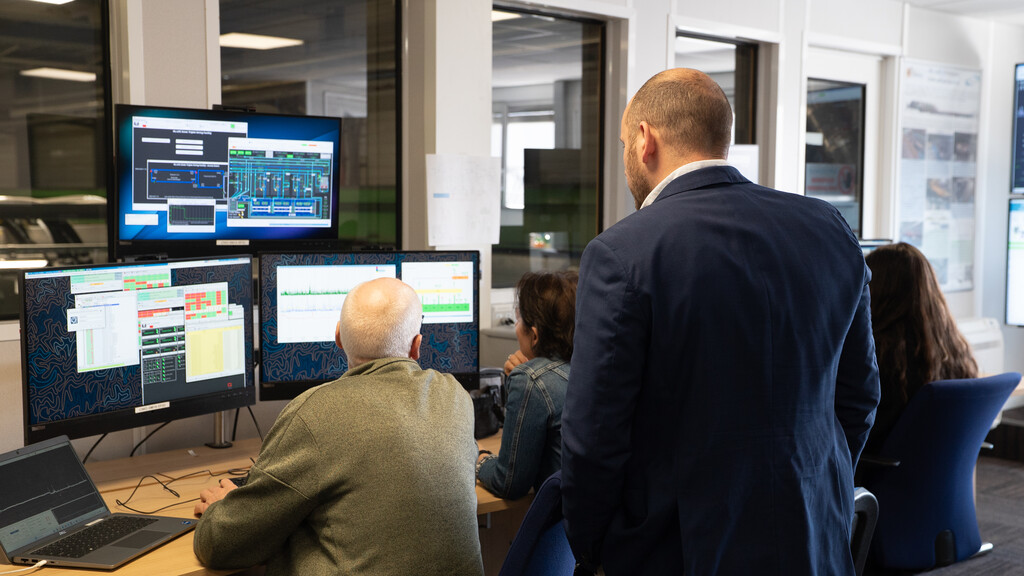
The systems in question are not the laptops used by researchers or the organization’s general servers. They are approximately 2,200 Front-End Computers (FECs)—a mix of industrial PCs and embedded systems—that communicate directly with the electronics controlling CERN’s accelerators.
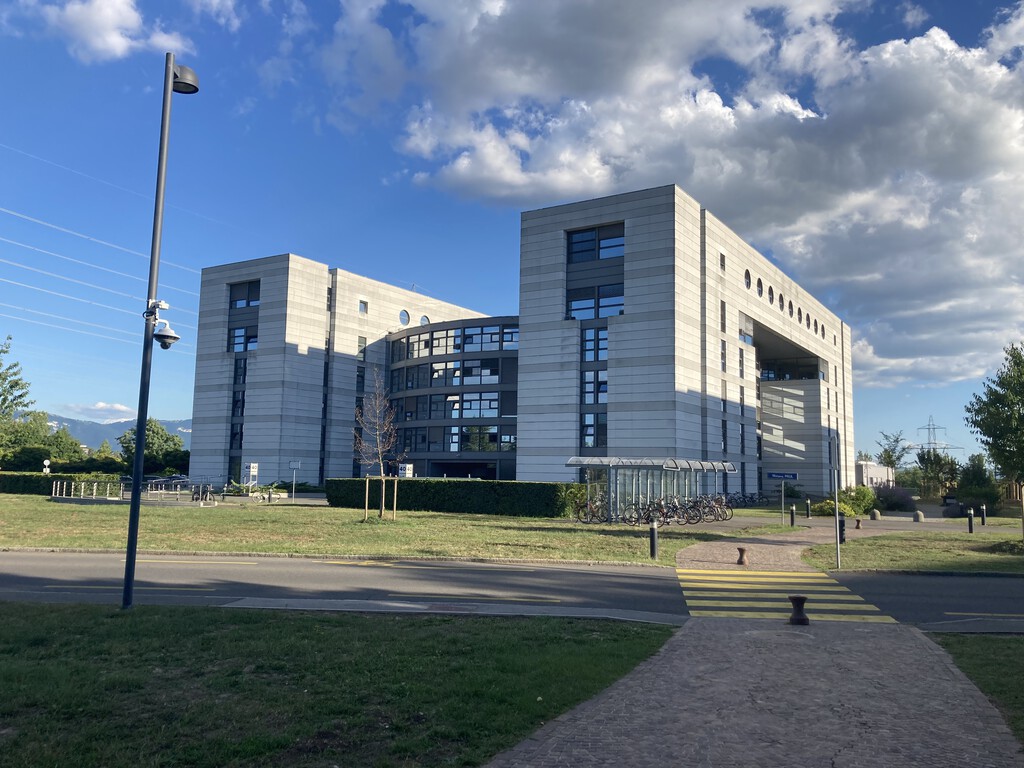
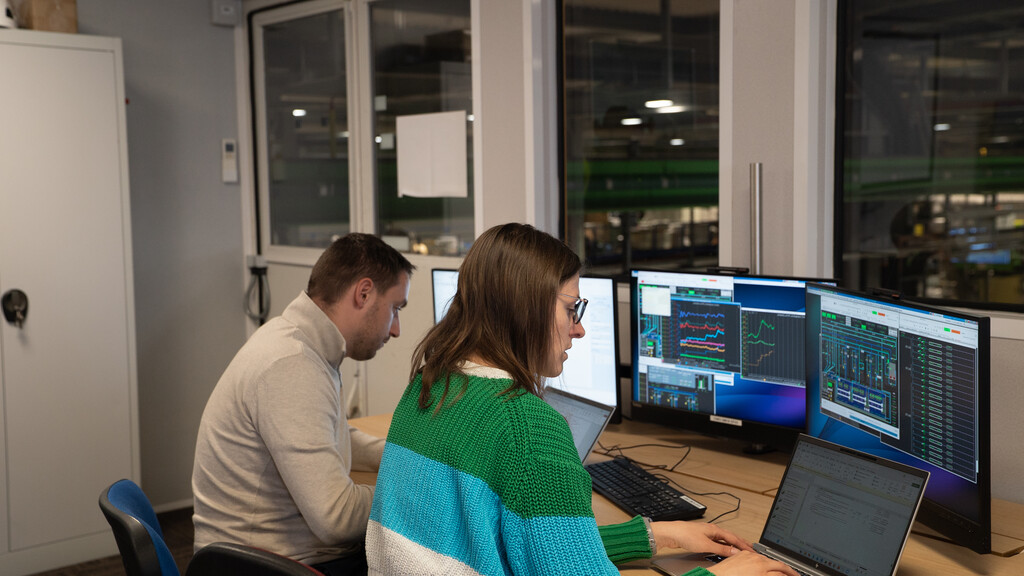
These FECs are essential for real-time monitoring and control. They interface with equipment that must operate with extreme precision, and any disruption can affect the entire accelerator complex. The challenge arose when new generations of the Red Hat ecosystem introduced processor requirements that threatened to leave a significant portion of this fleet behind.
The Processor Conundrum: x86-64 Microarchitecture Levels
At the heart of the issue is the processor architecture. The x86-64 label does not describe a single, immutable set of capabilities. Over time, manufacturers have added new instructions and features, and software can be compiled to require higher microarchitecture levels.
Newer Red Hat releases, for example, may mandate x86-64-v2 or higher, which includes instruction sets not present in older CPUs. Many of CERN’s FECs, while still functional, use processors that fall below this threshold. The hardware itself is not broken, but its useful life becomes constrained by what software it can run.
Option 1: Replace the Hardware
The most straightforward solution would be to replace all affected FECs with newer models. This approach ensures compatibility with the latest software and can bring performance improvements. However, it comes with significant costs: purchasing new hardware, installing it, and disposing of the old units.
Moreover, the replacement cycle would need to be repeated in the future as software requirements continue to advance. For a research organization with a limited budget, this path represents a substantial and recurring expense.
Option 2: Change the Operating System
Alternatively, CERN could switch to an operating system that still supports older processors. This might involve using an older Red Hat version, a different Linux distribution, or a custom solution. The advantage is clear: it extends the life of existing hardware and avoids immediate capital expenditure.
But this option also has drawbacks. Older software may lack security patches and modern features. It could also create fragmentation in the IT infrastructure, making management and support more complex.
Why CERN Chose the Software Path
CERN ultimately decided that changing the operating system was the more logical choice. The organization likely weighed the total cost of ownership, including hardware, software, and operational overhead. By sticking with existing hardware, CERN can allocate resources to other priorities.
This decision also reflects a pragmatic approach to industrial control systems, where reliability and longevity are often more important than cutting-edge performance. The FECs do not need the latest features; they need to run reliably for years. Anyone following the wider picture can start with CERN's OS Decision: Replacing 1,000+ Computers or Upgrading Software. The same theme surfaces in Sony WH-1000XM4C: Removable Battery for EU Compliance, which takes a different angle.
Key Takeaways for Other Organizations
- Assess the true cost of hardware replacement versus software adaptation, including long-term maintenance.
- Understand processor requirements of your software stack and how they align with your hardware fleet.
- Consider the lifecycle of both hardware and software to avoid frequent, costly upgrades.
- Evaluate security implications of running older software and plan mitigations.
- Engage with vendors to explore extended support options or custom builds.
Comparison: Hardware Replacement vs. OS Change
| Aspect | Hardware Replacement | OS Change |
|---|---|---|
| Upfront cost | High (new hardware) | Low (software only) |
| Long-term cost | Recurring (future replacements) | Potential support and security costs |
| Performance | Improved | Unchanged |
| Security | Latest patches | May require extended support |
| Complexity | Deployment and disposal | Compatibility testing and migration |
What to Watch Next
CERN’s decision will be closely watched by other large-scale facilities facing similar dilemmas. As software continues to evolve, the tension between hardware longevity and software requirements will only intensify. Organizations must develop strategies to balance these factors, whether through extended support contracts, virtualization, or modular upgrades. The background to this story is set out in Technology: latest articles. A related thread runs through Best Keyboards for Typing and Work: Top Value Picks for Every User.
For now, CERN has shown that sometimes the most logical path is not the most obvious one. By choosing to adapt software rather than replace hardware, it preserves resources and extends the life of functional equipment—a lesson that resonates far beyond the laboratory. Earlier coverage in LG's New Home Lineup: Extreme Efficiency, Conversational AI and Even a Hair shows how the argument developed. A closer look at the same subject appears in Wine and Health: Is It the Drink or the Company That Helps.
FAQ
What are Front-End Computers at CERN?
Front-End Computers (FECs) are industrial PCs and embedded systems that communicate with the electronics controlling CERN’s accelerators. They handle real-time monitoring and control, ensuring precise operation of the accelerator complex.
Why did CERN need to change its operating system?
New generations of the Red Hat ecosystem introduced processor requirements that many of CERN’s existing FECs could not meet. Rather than replace over a thousand computers, CERN chose to switch to an OS that supports older processors.
What is x86-64 and why does it matter?
x86-64 is a processor architecture, but it has different microarchitecture levels (v1, v2, v3, etc.) with varying instruction sets. Newer software may require higher levels, which older CPUs lack, creating compatibility issues.
How does this affect other organizations?
Many organizations face similar decisions as software requirements outpace hardware capabilities. Evaluating total cost of ownership and exploring extended support options can help balance budgets and operational needs.
Browse the Shop
 Acacia frida deluxe solid wood bed frame |
Bedroom bench |
Bed chest drawers |
Lingerie dresser |
Frame base |
Mirror with jewelry storage |
30 Bathroom Vanity |
Memory foam queen mattress |
Mattresses for back pain |
Nightstand set of 2 |
Grand Goldman Shop |
Civil Lawyer
Deutschland Trikot WM 2026







