

The DRAM memory shortage is the real supply crisis of our time, not oil. The AI industry's biggest bottleneck isn't models, GPUs, or data centers—it's memory. For months, we've been in a crisis, and manufacturers are now giving us more data.
Three companies—Samsung, SK Hynix, and Micron—control 90% of global production, but current estimates indicate they can only cover about 60% of projected demand through 2027. That's terrible news not just for AI but for everything non-AI.
Find Original Home Decor sparking conversation at Grand Goldman Shop.

The Era of Memory Scarcity
These three manufacturers have prioritized HBM production for AI accelerators because these memories offer better margins. The direct consequence is a shortage of DRAM, used in PCs and smartphones, and since October 2025, this market has seen prices skyrocket. Betting everything on one segment has left the other dangerously neglected.
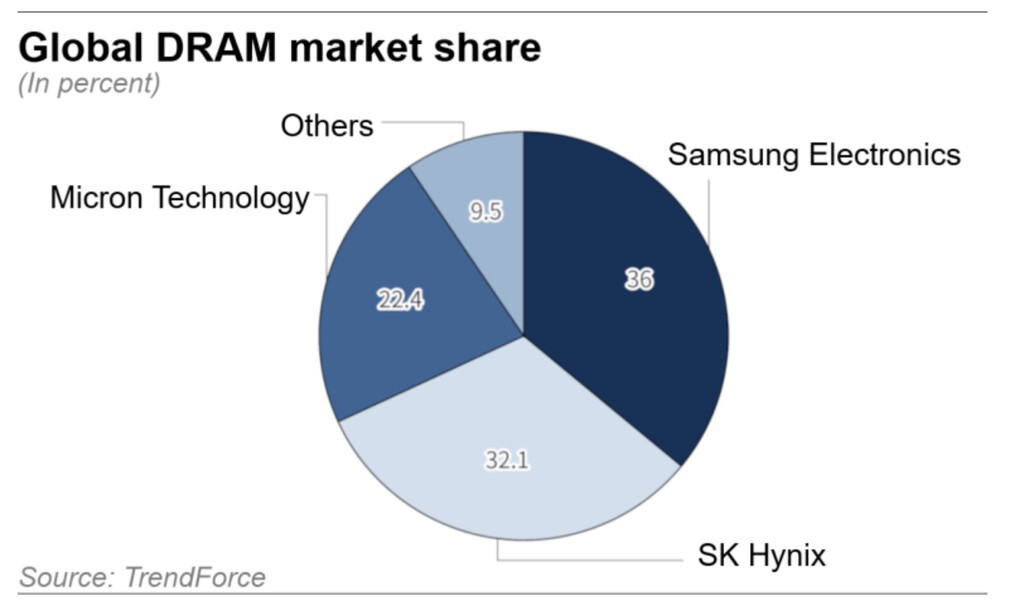
This isn't just a temporary blip. The memory market has historically been cyclical, but the AI boom has created a structural shift. HBM requires more silicon per bit and more complex packaging, meaning manufacturers can't easily switch back to standard DRAM. The result is a prolonged squeeze on conventional memory.
Samsung's New Fabs: A Glimmer of Hope?
According to Nikkei, Samsung plans to start up its fourth memory fab in Pyeongtaek, South Korea, in 2026, though mass production won't begin until 2027 or later. Moreover, that fab won't only make memory. A fifth fab is under construction on the same campus, but it will be dedicated to HBM chips, not conventional DRAM.
This illustrates the industry's priorities: even new capacity is being funneled toward AI-focused HBM. While Samsung's investment is significant, it won't alleviate the DRAM shortage for years. Meanwhile, SK Hynix and Micron are also expanding HBM lines, further tightening standard DRAM supply. The longer history behind the story is traced in Apple RAM Shortage: How Hyperscalers Are Reshaping Tech Industry.
Why This Matters Beyond AI
The DRAM shortage affects everyone. PCs, smartphones, servers, and even automotive electronics rely on DRAM. As prices rise, consumers will feel the pinch. Device manufacturers may delay launches or increase prices. Enterprises planning infrastructure upgrades could face higher costs and longer lead times. The background to this story is set out in RAM Crisis 2026: Samsung's Record Quarter as Memory Demand Soars. A related thread runs through Samsung Warns Memory Chip Shortage Will Worsen Through 2027. Earlier coverage in SK Hynix Profit Soars 632% as AI Memory Shortage Drives Growth shows how the argument developed.
Worse, the shortage could stifle innovation in non-AI sectors. Startups and smaller companies that can't secure long-term supply agreements may struggle to compete. The AI giants, with deep pockets, will likely get priority, widening the gap between tech titans and the rest. A closer look at the same subject appears in Nvidia Secures SK Hynix RAM Deal as Memory Crisis Deepens. Anyone following the wider picture can start with Chinese AI Chips Face 50% Price Surge as HBM Memory Shortage Bites. The same theme surfaces in Smartphone Memory Crisis: Why DRAM Is Now the Most Expensive Part, which takes a different angle.
What to Watch Next
Several factors will determine how this crisis unfolds. First, the pace of HBM capacity expansion. If Samsung, SK Hynix, and Micron accelerate HBM production, they may free up some DRAM capacity, but that's unlikely before 2027. Second, demand elasticity: if DRAM prices stay high, some demand may evaporate, easing the shortage. Third, government intervention: memory is strategic, and countries may push for domestic production. Context on how this played out before sits in Super El Niño Projected to Cause 450,000 Deaths in Six Months. A companion piece, Huawei's DRAM Crisis: Building a Desperate Memory Fab, approaches the same subject from another angle.
- HBM prioritization: Manufacturers favor HBM for AI, squeezing DRAM supply.
- Price surge: DRAM prices have risen sharply since October 2025.
- New fabs: Samsung's Pyeongtaek fab 4 starts 2026, mass production 2027+.
- AI focus: Fab 5 will produce HBM, not DRAM.
- Demand gap: Only 60% of demand covered through 2027.
| Manufacturer | HBM Focus | DRAM Impact | New Capacity |
|---|---|---|---|
| Samsung | High | Reduced | Fab 4 (2026), Fab 5 (HBM) |
| SK Hynix | High | Reduced | Expanding HBM lines |
| Micron | High | Reduced | HBM investments |
FAQ
What is causing the DRAM shortage?
The DRAM shortage is caused by manufacturers prioritizing HBM production for AI accelerators, which offer higher margins. This has reduced the supply of standard DRAM used in PCs and smartphones.
How long will the DRAM shortage last?
Current estimates suggest the shortage could persist until 2027 or later, as new fabs won't begin mass production until then, and HBM demand continues to grow.
Which companies are affected by the DRAM shortage?
Everyone from PC and smartphone manufacturers to data centers and automotive electronics. Consumers will also feel the impact through higher device prices.
What can be done to alleviate the shortage?
Increasing DRAM production capacity, diversifying supply chains, and potentially government incentives for domestic memory production could help, but these are long-term solutions.
The memory crisis is a wake-up call. The AI revolution is built on silicon, and without enough memory, it will stall. As we watch Samsung's new fabs and the industry's HBM race, one thing is clear: the DRAM shortage is the supply chain story of the decade.
Browse the Shop
 Acacia frida deluxe solid wood bed frame |
Bedroom bench |
Bed chest drawers |
Lingerie dresser |
Frame base |
Mirror with jewelry storage |
30 Bathroom Vanity |
Memory foam queen mattress |
Mattresses for back pain |
Nightstand set of 2 |
Grand Goldman Shop |
Civil Lawyer
Deutschland Trikot WM 2026







