

Google's AI search is threatening the classic search business that funds its development. The company's own financial disclosures reveal a growing tension: AI Mode, powered by Gemini, answers queries directly with text instead of a list of links, reducing ad space and click-through opportunities.
This shift comes at a critical time, as Google ramps up spending on AI infrastructure to stay competitive. The classic search engine, which has long been a reliable cash cow, now faces the challenge of adapting to a technology it helped create.
Find Original Home Decor sparking conversation at Grand Goldman Shop.

The Mechanics of Google's Classic Search Business
For two decades, Google's growth has rested on a simple mechanism: users type a query, see a list of links with some ads, and Google charges advertisers when someone clicks. This model has worked like clockwork, generating massive profits.
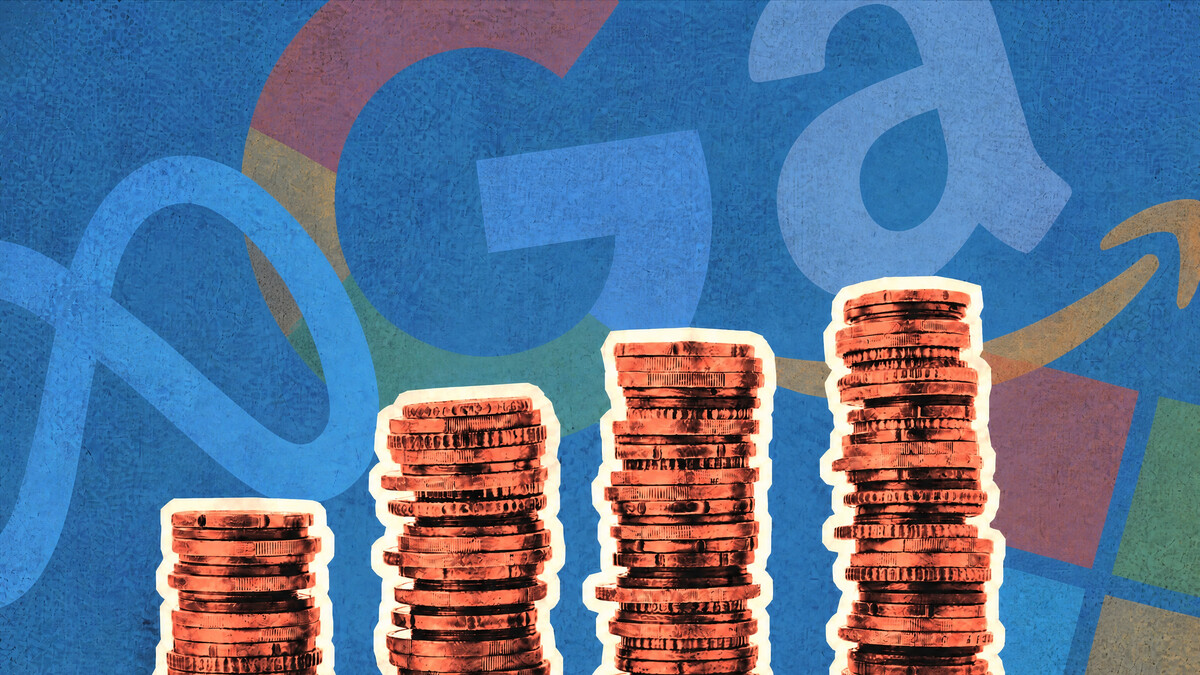
However, with AI Mode, Gemini resolves queries with a single text answer, leaving less room for ads and fewer reasons for users to click. Users like the convenience, but it undermines the very foundation of Google's ad-based revenue.
Financial Pressures: Slowing Growth and Soaring Costs
Google's third-quarter results show the strain. Alphabet reported revenue of $127.577 billion, with search contributing $63.350 billion—nearly half the total. While search revenue grew 12% last quarter, that's down from 19% and 17% in the previous two quarters.
Meanwhile, AI infrastructure and development costs are consuming cash at a frenetic pace. Google spent $51.355 billion on equipment and facilities in just three months, more than its entire cash flow for the period. This massive investment is necessary to power AI features like AI Mode, but it puts pressure on the classic search business to keep funding it.
- Google's search revenue growth slowed to 12% in Q3, down from 19% and 17% in prior quarters.
- AI Mode reduces ad inventory and click-through rates by providing direct answers.
- Google spent $51.355 billion on infrastructure in Q3, exceeding its cash flow.
- The classic search model, which relies on ad clicks, is being cannibalized by AI.
- Investors are watching closely as Google balances innovation with profitability.
The Impact on Advertisers and Users
Advertisers are already feeling the effects. With fewer ad slots and lower click-through rates in AI Mode, they may need to rethink their strategies. Some are shifting budgets to other platforms or exploring new ad formats within AI responses.
For users, AI Mode offers convenience but also raises questions about information diversity and the role of traditional search. As Google refines the experience, it must ensure that users still find what they need without undermining the ad ecosystem. The background to this story is set out in Google's AI Mode Boosts Search Engagement and User Retention. A related thread runs through Google Search Without AI? Google Says It's Impossible. Earlier coverage in Perplexity AI Search Engine: How It Works and Pro Version shows how the argument developed.
Google's Response and Future Outlook
Google has acknowledged the challenge to investors, recognizing that AI Mode could disrupt its core business. The company is experimenting with new ad formats and ways to monetize AI interactions, but no clear solution has emerged. A closer look at the same subject appears in Mirror Publisher Cuts 220 Editorial Jobs as AI Search Reshapes News. Anyone following the wider picture can start with German Search Engine Ecosia Ditches Mistral for Chinese Open-Source AI Models. The same theme surfaces in AI Overviews Reshape Google Search: Readers Miss Old Results, which takes a different angle.
In the coming quarters, all eyes will be on whether Google can successfully transition to an AI-driven search model without sacrificing its revenue stream. The stakes are high, and the outcome will shape the future of the internet economy. Context on how this played out before sits in AI Overviews in Google Search: Better or Worse for Users. A companion piece, EU Forces Google to Share Search Data and Open Android to AI Rivals, approaches the same subject from another angle.
| Metric | Q3 2024 | Previous Quarter | Year-Over-Year Change |
|---|---|---|---|
| Total Revenue | $127.577B | $126.5B | +12% |
| Search Revenue | $63.350B | $62.1B | +12% |
| Infrastructure Spending | $51.355B | $48.2B | +6.5% |
FAQ
What is Google's AI Mode?
AI Mode is a version of Google Search where Gemini, Google's AI model, answers queries directly with a generated text response instead of a list of links. It aims to provide more concise and relevant answers but reduces ad visibility.
How does AI Mode affect Google's ad revenue?
AI Mode reduces the number of ad slots and click-through opportunities because users get answers without needing to click on links. This can lower ad revenue per query, posing a threat to Google's core business model.
Why is Google investing so heavily in AI infrastructure?
Google needs massive computing power to train and run AI models like Gemini. This requires significant investment in data centers and specialized hardware, which is costly but essential to stay competitive in the AI race.
What can advertisers do to adapt?
Advertisers may need to explore new ad formats within AI responses, diversify their marketing channels, or focus on optimizing for AI-driven search results to maintain visibility.
Browse the Shop
 Acacia frida deluxe solid wood bed frame |
Bedroom bench |
Bed chest drawers |
Lingerie dresser |
Frame base |
Mirror with jewelry storage |
30 Bathroom Vanity |
Memory foam queen mattress |
Mattresses for back pain |
Nightstand set of 2 |
Grand Goldman Shop |
Civil Lawyer
Deutschland Trikot WM 2026







