

Mobile RAM prices are surging at an unprecedented rate, and that means the era of cheap smartphones may be coming to an end. For years, we've accepted that phones get more expensive as they add better cameras, sharper displays, faster processors, and more refined designs. We've also started to accept that on-device AI isn't free—it demands more power, more storage, and more memory. But the next price shock may come from an unexpected place: mobile RAM, a component that often goes unnoticed but weighs heavily on the real cost of every smartphone.
The clearest signal comes from LPDDR5X, one of the most important mobile memory types on the market today. According to TrendForce data, this type of memory saw a quarter-over-quarter increase of 58% to 63% in the first quarter of 2026—the largest quarterly jump in its history. What's striking is that this surge doesn't appear to have ended the cycle: forecasts for the second quarter point to an even more intense escalation.
Find Original Home Decor sparking conversation at Grand Goldman Shop.

Why Mobile RAM Prices Are Skyrocketing
Several factors are converging to drive memory prices higher. The rise of on-device AI is a major culprit: AI features require more RAM to run efficiently, pushing manufacturers to pack more memory into each device. At the same time, memory producers are shifting capacity toward higher-margin products like HBM (High Bandwidth Memory) for data centers, tightening supply for mobile DRAM. This supply-demand imbalance is fueling the price spiral.
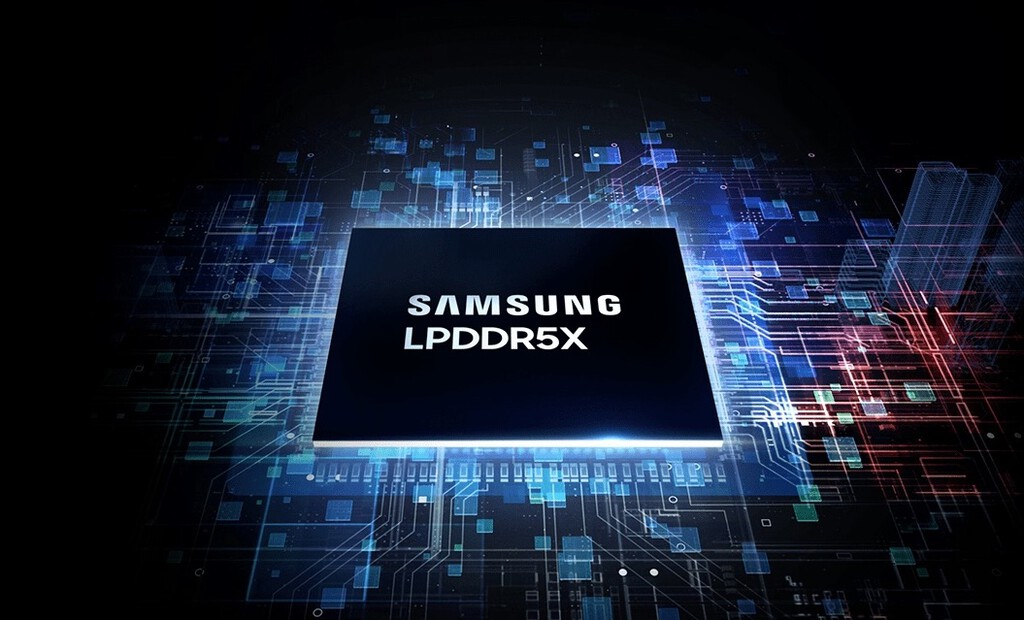
TrendForce's data shows that the first quarter of 2026 already set a record with a 58-63% increase for LPDDR5X. Now, projections attributed to TrendForce and shared by Jukan Choi suggest that mobile DRAM contract prices will grow by 93% to 98% quarter-over-quarter in the second quarter. In other words, the worst is yet to come.
The Impact on Smartphone Prices
When memory prices double in a single quarter, smartphone makers have limited options. They can absorb the cost, pass it on to consumers, or cut specifications. Historically, brands have tried to maintain competitive price points by tweaking other components or reducing margins. But with increases this steep, something has to give.
Consumers should expect higher prices for new models, especially those with large amounts of RAM for AI features. Alternatively, manufacturers might keep prices stable but equip phones with less memory—a risky move as AI apps become more demanding. Either way, the era of ever-cheaper smartphones with ever-more RAM is likely over.
- LPDDR5X prices jumped 58-63% in Q1 2026, the largest quarterly increase ever.
- Mobile DRAM contract prices are projected to rise 93-98% in Q2 2026.
- On-device AI and the shift to HBM for data centers are tightening mobile memory supply.
- Smartphone makers may raise prices or reduce RAM to cope with higher costs.
- Consumers should brace for more expensive devices, especially those with AI capabilities.
What This Means for the Smartphone Market
The smartphone market has been relatively stable in recent years, with incremental upgrades and steady pricing. But a memory price shock of this magnitude could disrupt that balance. Budget and mid-range phones, which operate on thin margins, are particularly vulnerable. Flagship devices might absorb some of the increase, but even Apple and Samsung could be forced to adjust.
We may also see a shift in how phones are marketed. Instead of touting ever-increasing RAM, brands might focus on software optimization and efficiency. But make no mistake: the underlying cost pressure is real and will likely reshape the market.
Comparing Memory Price Increases
To put the current surge in perspective, here's a comparison of recent quarterly price changes for mobile DRAM:
| Memory Type | Quarter | Price Change (QoQ) |
|---|---|---|
| LPDDR5X | Q1 2026 | +58% to +63% |
| Mobile DRAM (contract) | Q2 2026 (projected) | +93% to +98% |
These figures are staggering by historical standards. For context, memory prices typically fluctuate by single digits or low double digits per quarter. A near-doubling in three months is virtually unheard of. The background to this story is set out in Amazon Raises Prices on Kindle, Echo, and Fire TV Due to RAM Crisis. A related thread runs through Braiding Costs Rise: Why Your Favorite Style Got Expensive. Earlier coverage in RAM Crisis 2028: Why Memory Prices Keep Rising and What to Expect shows how the argument developed.
What to Watch Next
All eyes are on memory manufacturers like Samsung, SK Hynix, and Micron to see how they allocate capacity. If they continue to prioritize HBM for AI data centers, mobile DRAM supply will remain tight. On the demand side, smartphone makers may delay launches or adjust specs to manage costs. A closer look at the same subject appears in Car Prices Surge: The RAM Shortage Crisis Explained. Anyone following the wider picture can start with Apple RAM Crisis: iPad and Mac Prices Jump 20% on Average. The same theme surfaces in RAM Crisis Drives Apple, Microsoft, Valve Price Hikes, which takes a different angle.
Consumers can also look for signals from brands about pricing strategies. If you're planning to buy a new phone soon, it might be wise to act before prices climb further. But if you can wait, the market could stabilize once new memory capacity comes online—though that's unlikely before 2027. Context on how this played out before sits in UK Mortgage Rates Rise as Bond Sell-Off Drives Up Borrowing Costs.
FAQ
Why are mobile RAM prices increasing so much?
Mobile RAM prices are rising due to a combination of factors: increased demand for on-device AI, which requires more memory, and a shift in production capacity toward HBM for data centers, reducing supply for mobile DRAM. This supply-demand imbalance has led to record price hikes.
How will this affect smartphone prices?
Smartphone makers will likely pass some of the cost increase to consumers, leading to higher prices for new models. Alternatively, they might reduce RAM in some devices to keep prices stable, but that could hurt performance, especially for AI features.
Is this price surge temporary?
It's difficult to predict, but the surge is expected to continue into the second quarter of 2026. Relief may come when new memory production capacity becomes available, but that could take until 2027. For now, consumers should anticipate higher prices.
Should I buy a new phone now or wait?
If you need a new phone, buying sooner rather than later could help you avoid further price increases. However, if you can wait, prices might stabilize once supply catches up, though that may not happen for a while.
The mobile RAM price surge is a wake-up call for the industry. As memory becomes a bottleneck, the cost of innovation will rise, and consumers will feel the pinch. For a broader look at how technology trends shape our daily lives, see our article on the Moncloa advice to turn off your phone for five minutes a day, which highlights the growing conversation around digital well-being. Staying informed about these developments can help you make smarter purchasing decisions.
Browse the Shop
 Acacia frida deluxe solid wood bed frame |
Bedroom bench |
Bed chest drawers |
Lingerie dresser |
Frame base |
Mirror with jewelry storage |
30 Bathroom Vanity |
Memory foam queen mattress |
Mattresses for back pain |
Nightstand set of 2 |
Grand Goldman Shop |
Civil Lawyer
Deutschland Trikot WM 2026







