

Nexperia, the Chinese-owned semiconductor company headquartered in the Netherlands, is splitting in two, and its China unit now claims it can manufacture 12-inch semiconductor wafers—a capability the European unit lacks. This development intensifies the technology rift between China and Europe and underscores China's push for technological sovereignty.
The story has escalated rapidly. Nexperia originated from the spinoff of Dutch company NXP Semiconductors. In 2017, a Chinese consortium backed by the government bought Nexperia for $2.75 billion, aiming to consolidate China's semiconductor industry. The headquarters remained in the Netherlands, but the owner was Chinese.
Find Original Home Decor sparking conversation at Grand Goldman Shop.

In October 2025, the Dutch government unexpectedly seized control of Nexperia, citing the need to protect Europe's chip supply. The move sparked a public breakup and a "civil war" between the two headquarters. Now, Nexperia China is threatening to produce 12-inch wafers independently, highlighting a growing divide.

What Happened: The Nexperia Split
The Dutch seizure of Nexperia was a shock to the industry. The government justified the takeover as a measure to safeguard European semiconductor interests. In response, Nexperia China declared its independence and announced its ability to fabricate 12-inch wafers—a larger wafer size that allows more chips per wafer, reducing costs and increasing efficiency.
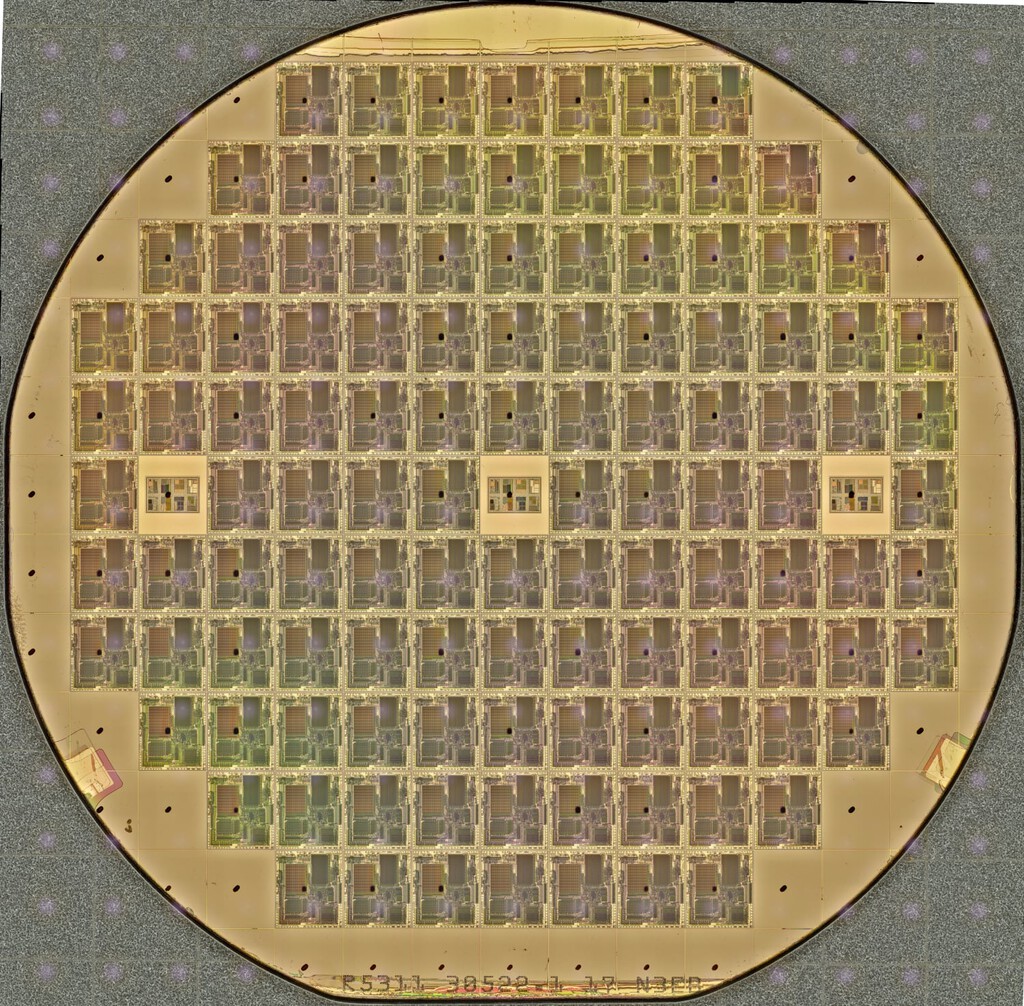
This claim is significant because 12-inch wafer production is typically associated with advanced semiconductor manufacturing. If Nexperia China can indeed produce them, it would mark a leap in China's domestic chip capabilities, reducing reliance on foreign technology.
Why It Matters: Technological Sovereignty
China has long sought to boost its semiconductor industry, even before former U.S. President Donald Trump's trade restrictions. The purchase of Nexperia was part of that strategy. Now, with the Dutch seizure, China is accelerating its efforts to become self-sufficient in chip production.
The ability to manufacture 12-inch wafers is a key milestone. It means China can produce more advanced chips domestically, which is crucial for everything from consumer electronics to military applications. This reduces the leverage Europe and the U.S. have over China's tech sector.
For Europe, the loss of Nexperia's China unit could mean decreased access to affordable chips and a setback in the region's semiconductor ambitions. The Dutch government's move to seize Nexperia was meant to protect Europe, but it may have backfired by pushing China to develop its own capabilities faster.
Who Is Affected: The Global Chip Supply Chain
The Nexperia split affects the entire global semiconductor supply chain. Nexperia is a major supplier of discrete components, logic chips, and MOSFETs, which are used in automotive, industrial, and consumer applications. A disruption could lead to shortages and price increases.
Automakers, in particular, are vulnerable. The automotive industry has been hit hard by chip shortages in recent years, and any further instability could hamper production. The split also affects customers who rely on Nexperia's European and Chinese units for different products.
Furthermore, the split sets a precedent for other Chinese-owned companies in Europe. It signals that European governments may intervene to protect strategic industries, which could deter Chinese investment in the region.
What to Watch Next: Escalation or Resolution?
The situation is fluid. Nexperia China's threat to produce 12-inch wafers is a bold move, but it remains to be seen if they can deliver at scale. The European unit, meanwhile, is now under Dutch control and may seek new partnerships or investors.
Geopolitically, the split could lead to further tit-for-tat measures. China might retaliate by restricting exports of raw materials or components needed by European chipmakers. Europe could tighten its scrutiny of Chinese investments in other tech firms.
The Nexperia case is a microcosm of the larger tech war between China and the West. As both sides strive for technological sovereignty, such conflicts are likely to become more common.
Key Takeaways
- Nexperia, a Chinese-owned semiconductor firm based in the Netherlands, has split into two entities after the Dutch government seized control in October 2025.
- The China unit claims it can now produce 12-inch semiconductor wafers, a capability the European unit lacks, signaling China's growing self-sufficiency.
- The split affects the global chip supply chain, potentially causing shortages and price hikes, especially in the automotive sector.
- The move underscores the escalating technology rift between China and Europe, with both sides seeking technological sovereignty.
- Watch for further retaliatory measures and the ability of Nexperia China to scale up 12-inch wafer production.
Comparing Nexperia's Units
| Aspect | Nexperia Europe (Netherlands) | Nexperia China |
|---|---|---|
| Ownership | Controlled by Dutch government (since Oct 2025) | Chinese consortium backed by government |
| Wafer Size Capability | Primarily 8-inch and below | Claims 12-inch production capability |
| Main Products | Discrete components, logic chips | Similar, but with advanced wafer tech |
| Strategic Focus | Protecting European chip supply | Achieving technological sovereignty |
FAQ
What is Nexperia and why is it splitting?
Nexperia is a semiconductor manufacturer originally spun off from NXP Semiconductors. It was acquired by a Chinese consortium in 2017. In October 2025, the Dutch government seized control to protect European chip interests, leading to a split between the Dutch headquarters and the Chinese unit.
What are 12-inch wafers and why do they matter?
12-inch wafers (300mm) are larger silicon discs used to manufacture semiconductors. They allow more chips to be produced per wafer, reducing costs and increasing efficiency. The ability to produce them indicates advanced manufacturing capability.
How does this affect the global chip supply?
The split could disrupt the supply of discrete components and logic chips, potentially causing shortages and price increases, especially for automotive and industrial customers. It also signals a broader decoupling of the U.S.-China tech supply chain.
What happens next?
Nexperia China may attempt to scale up 12-inch wafer production, while the European unit seeks new investors. The situation could escalate with retaliatory measures from China or further European restrictions on Chinese tech investments.
The Nexperia lawsuit and the broader tech rift between China and Europe are part of a larger trend of economic decoupling. As reported in Nexperia lawsuit exposes China-Europe tech rift, the legal battle is just one front in this growing conflict.
For businesses, the lesson is clear: supply chains are increasingly vulnerable to geopolitical shocks. Companies must diversify their suppliers and build resilience. The Nexperia lawsuit highlights how quickly a stable supply chain can be disrupted.
Investors should also take note. The semiconductor industry is becoming a battleground for national interests, and companies with exposure to China or Europe may face volatility. Keeping an eye on the Nexperia lawsuit will provide insights into the broader trend.
As the Nexperia lawsuit unfolds, it will likely set precedents for how governments handle strategic industries. The outcome could shape future investment decisions and trade policies.
Ultimately, the Nexperia lawsuit is a symptom of a larger shift toward techno-nationalism. Stakeholders should prepare for a more fragmented global tech landscape.
Browse the Shop
 Acacia frida deluxe solid wood bed frame |
Bedroom bench |
Bed chest drawers |
Lingerie dresser |
Frame base |
Mirror with jewelry storage |
30 Bathroom Vanity |
Memory foam queen mattress |
Mattresses for back pain |
Nightstand set of 2 |
Grand Goldman Shop |
Civil Lawyer
Deutschland Trikot WM 2026







