

SpaceX has spent $17 billion in its bid to become a full-fledged mobile operator, and its Starlink Direct to Cell technology is at the heart of that ambition. The company is moving beyond satellite internet and into direct smartphone connectivity, a move that could reshape the telecom landscape from Spain to the United States.
Mobile telephony is crossing a boundary that once seemed insurmountable: the Earth's surface. Until now, we connected our smartphones through towers anchored to the ground, but Direct to Cell technology changes everything—we can connect directly to satellites using the same phone we already own.
Find Original Home Decor sparking conversation at Grand Goldman Shop.

Starlink pioneered this technology, but other companies like Amazon Leo and AST SpaceMobile are following closely. This raises a big question: how will traditional operators respond?
The Omnipresent Operator: How Starlink Direct to Cell Works
Traditional mobile operators have coverage wherever they can build a tower and run a fiber link to provide internet access. Companies like Starlink propose something different: because their satellite constellation aims to cover much of the globe, anyone beneath it will automatically have mobile coverage.
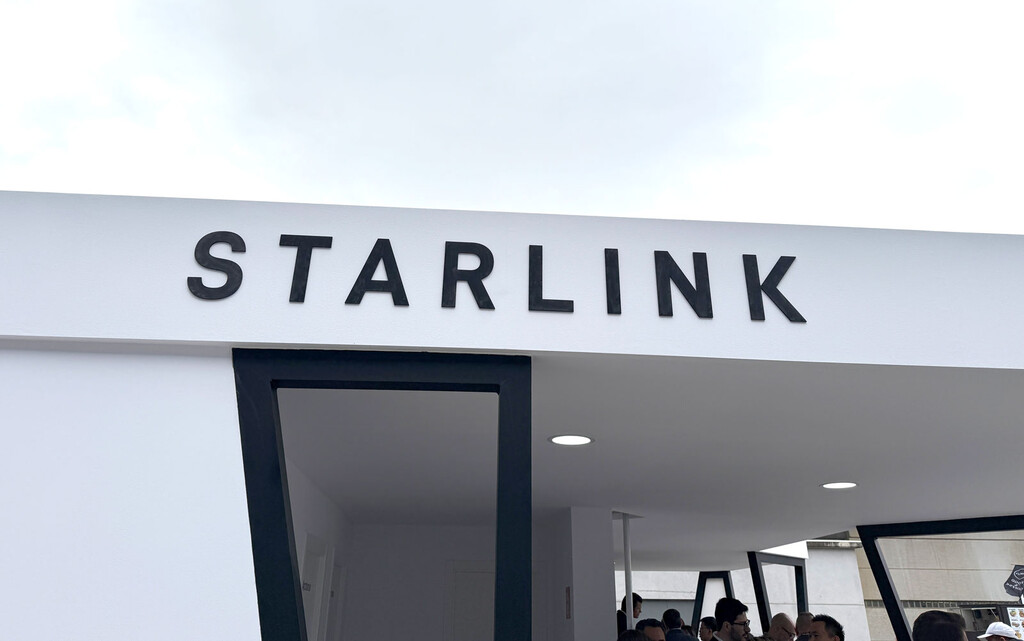
This is a significant advantage that traditional operators will have to fight against. SpaceX has made its intentions clear. When it started Direct to Cell two and a half years ago, it seemed Elon Musk was planning an add-on to Starlink's existing satellite internet service.
Deals with operators like T-Mobile suggested the target was business, not individual users. But that's not the case: SpaceX wants to be a mobile operator in the full sense.
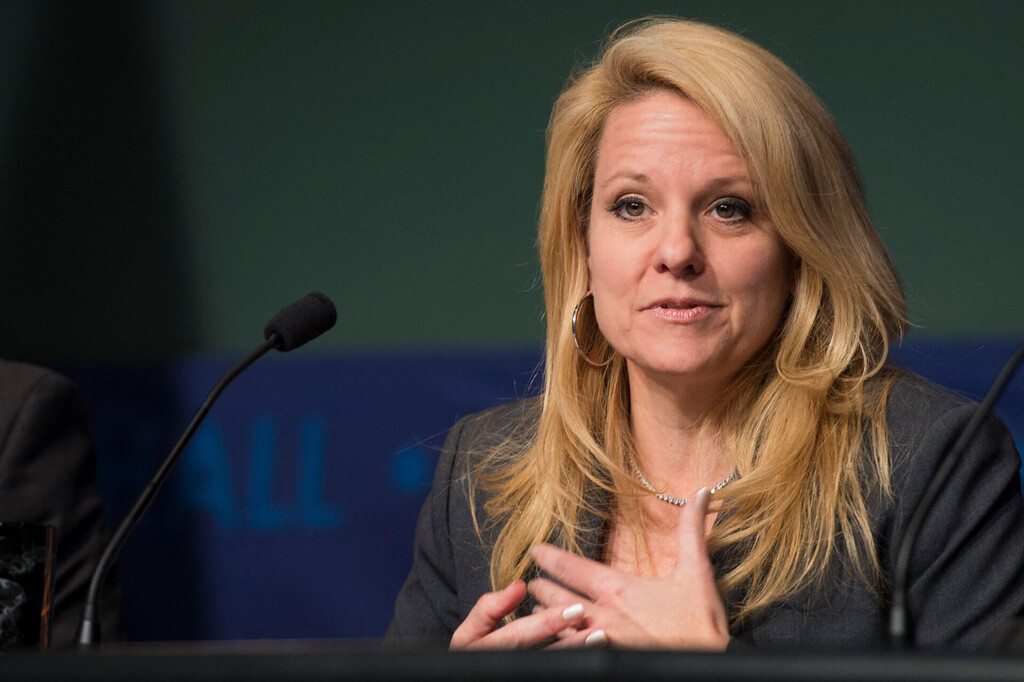
"I predict we'll be able to capture quite a few of their customers," said Gwynne Shotwell, SpaceX's president and COO, referring to traditional operators. That statement signals a direct challenge to established players.
Why SpaceX's $17 Billion Investment Matters for Spain
Spain is a key market for SpaceX's mobile ambitions. The country has a mature telecom sector dominated by Movistar and Orange, but also has vast rural areas where coverage can be spotty. Direct to Cell could fill those gaps without the need for new towers.
However, entering Spain is not just about competing with Movistar and Orange. SpaceX must navigate regulatory hurdles, secure spectrum rights, and convince local authorities that satellite-based mobile service meets quality and safety standards.
The $17 billion investment covers satellite development, launch costs, and ground infrastructure. It's a bet that the future of mobile connectivity is not just terrestrial but also extraterrestrial.
Key Takeaways
- SpaceX has invested $17 billion to become a mobile operator using Starlink's Direct to Cell technology.
- Direct to Cell allows smartphones to connect directly to satellites without a terrestrial tower.
- SpaceX aims to compete with traditional operators like Movistar and Orange, starting with deals like T-Mobile in the US.
- Regulatory and spectrum challenges remain, especially in European markets like Spain.
- Competitors such as Amazon Leo and AST SpaceMobile are also entering the satellite-to-phone market.
How Direct to Cell Compares to Traditional Mobile Networks
To understand the impact, consider how Direct to Cell stacks up against conventional mobile networks in key areas.
| Feature | Traditional Mobile Network | Starlink Direct to Cell |
|---|---|---|
| Coverage | Limited to tower range; rural gaps common | Global, including remote areas |
| Infrastructure | Cell towers and fiber links | Satellite constellation |
| Device Compatibility | Standard smartphones | Standard smartphones (no extra hardware) |
| Initial Partners | Local operators | T-Mobile (US), others pending |
| Investment | Varies by operator | $17 billion (SpaceX) |
As the table shows, Direct to Cell offers ubiquitous coverage but may face challenges in capacity and latency compared to terrestrial networks. SpaceX will need to prove that satellite-based mobile service can match the reliability users expect.
The Road Ahead: Challenges and Opportunities
SpaceX's entry into mobile operations is not without obstacles. In Spain, the company will need to secure spectrum licenses and comply with EU regulations. It also must demonstrate that its service can handle voice and data traffic reliably. The background to this story is set out in Europe's IRIS2 Satellite Plan: 348 Satellites to Rival SpaceX. A related thread runs through Ukraine Accuses SpaceX of Starlink Restrictions Crippling Drone Missions. Earlier coverage in Ukraine Starlink Connection Stable After Restrictions Lift shows how the argument developed.
Moreover, traditional operators are not standing still. Movistar and Orange are investing in their own 5G networks and may partner with satellite providers to extend coverage. The competition could lead to better services and lower prices for consumers. A closer look at the same subject appears in Starlink Restrictions Hit Ukrainian Soldiers in Combat. Anyone following the wider picture can start with Ukraine Starlink Disruptions Persist Despite Trump Claim. The same theme surfaces in Elon Musk Starlink Ukraine Restrictions Spark US Government Claims, which takes a different angle.
For now, SpaceX's $17 billion bet underscores its commitment to becoming a global mobile operator. Whether it succeeds in Spain and beyond will depend on regulatory approval, technical performance, and market acceptance. Context on how this played out before sits in Starlink Access for Ukraine Limited as Trump Claims Service Restored. A companion piece, Nvidia's $4 Billion Photonics Bet: The Future of AI Data Centers, approaches the same subject from another angle.
FAQ
What is Starlink Direct to Cell?
Starlink Direct to Cell is a technology that allows smartphones to connect directly to satellites for mobile service, without the need for a terrestrial tower. It aims to provide coverage anywhere on Earth.
How much has SpaceX invested in becoming a mobile operator?
SpaceX has invested $17 billion in its efforts to become a mobile operator, covering satellite development, launches, and infrastructure.
Will SpaceX compete with Movistar and Orange in Spain?
Yes, SpaceX intends to enter the Spanish market and compete with established operators like Movistar and Orange. However, it must overcome regulatory and spectrum challenges first.
What are the main competitors to Starlink Direct to Cell?
Other companies like Amazon Leo and AST SpaceMobile are also developing satellite-to-phone technologies, creating a competitive landscape in the emerging market.
Browse the Shop
 Acacia frida deluxe solid wood bed frame |
Bedroom bench |
Bed chest drawers |
Lingerie dresser |
Frame base |
Mirror with jewelry storage |
30 Bathroom Vanity |
Memory foam queen mattress |
Mattresses for back pain |
Nightstand set of 2 |
Grand Goldman Shop |
Civil Lawyer
Deutschland Trikot WM 2026







