

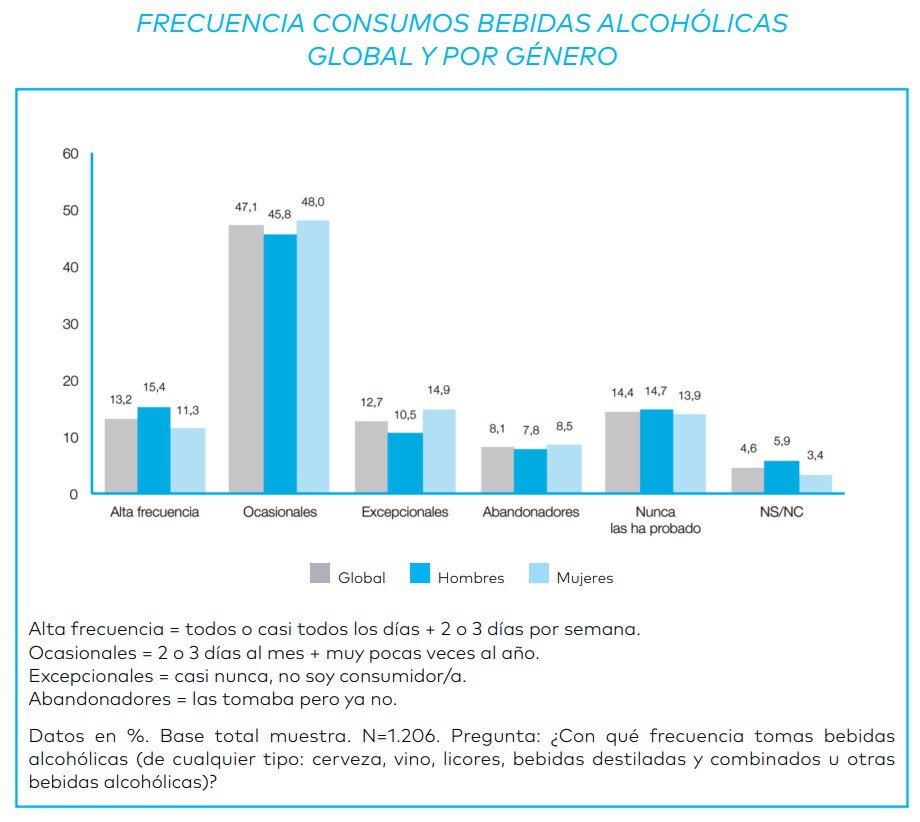
Gen Z drinking less alcohol is a trend reshaping social norms, but the stigma against sobriety remains stubbornly intact. Recent studies show that 57.9% of people aged 15 to 29 either drink only sporadically or have cut alcohol out entirely. Yet the pressure to drink at parties and social gatherings persists, creating a complex landscape for young adults and the alcohol industry alike.
Gen Z Drinking Less Alcohol: The Numbers Behind the Shift
The data is clear: habitual alcohol consumption is falling among young people. According to recent surveys, more than half of those aged 15 to 29 say they rarely drink or abstain completely. This marks a significant departure from previous generations, where moderate to heavy drinking was a common rite of passage.
Find Original Home Decor sparking conversation at Grand Goldman Shop.

But the picture is not uniform. A considerable percentage of young people still drink with some regularity, and social pressure to conform remains strong. The trend is multifaceted, with both positive health implications and persistent social challenges.
Why Is Gen Z Drinking Less Alcohol?
Several factors contribute to this shift. Health consciousness is a major driver, as young people increasingly prioritize mental and physical well-being. Social media and online culture also play a role, with sober-curious content and alcohol-free challenges gaining traction.

Economic pressures cannot be ignored either. With rising living costs, many young adults view alcohol as an unnecessary expense. Additionally, growing awareness of alcohol's risks, from addiction to mental health issues, has led to more cautious attitudes.

The Stigma of Sobriety: A Persistent Challenge
Despite the decline in drinking, social stigma against sobriety remains a significant hurdle. Many young people report feeling pressured to drink at social events, fearing judgment or exclusion if they abstain. This pressure is particularly acute in party environments where alcohol is central to the experience.
The stigma manifests in various ways, from teasing and peer pressure to more subtle forms of exclusion. For those who choose not to drink, navigating social situations can be uncomfortable, reinforcing the idea that alcohol is necessary for fun and connection.
How the Alcohol Industry Is Responding
The alcohol industry faces a major challenge: how to engage a generation that is increasingly disinterested in traditional drinking. Companies are adapting by expanding non-alcoholic and low-alcohol options, marketing them as sophisticated alternatives rather than mere substitutes.
Brands are also investing in experiences and lifestyle marketing, positioning their products as part of a broader social identity rather than just a beverage. However, the industry must tread carefully, as overt marketing to young people can backfire in an era of heightened health awareness. The background to this story is set out in Gen X Drinking More Alcohol While Younger Americans Cut Back. A related thread runs through Can Alcohol Be Healthy? Low Carb and Gluten-Free Drink Claims. Earlier coverage in Westminster Drinking Culture Exposed: MPs’ Alcohol Problem shows how the argument developed.
What This Means for Social Norms and Public Health
The shift in Gen Z's drinking habits has broader implications. Public health advocates see it as a positive development, potentially reducing alcohol-related harms. However, the persistence of stigma against sobriety highlights the need for cultural change. A closer look at the same subject appears in Westminster Alcohol Culture Report Exposes Workplace Drinking. Anyone following the wider picture can start with Alcohol at Football Matches: Pros and Cons of Drinking in Stadiums. The same theme surfaces in Does Alcohol Really Warm You Up? The Truth About Drinking in Cold, which takes a different angle.
Creating inclusive social environments where both drinking and abstaining are accepted is essential. This requires challenging the deep-seated association between alcohol and celebration, and promoting alternative ways to socialize. Context on how this played out before sits in Why Broken Sculptures Have More Power Than Intact Art. A companion piece, Alcoholism Expert: Addiction Is About Why You Drink, Not How Much, approaches the same subject from another angle.
Key Takeaways for Understanding Gen Z and Alcohol
- 57.9% of young people aged 15-29 drink rarely or not at all, marking a significant decline in habitual consumption.
- Health consciousness, economic pressures, and social media influence are driving the trend toward sobriety.
- Despite the decline, social stigma against not drinking remains strong, especially in party settings.
- The alcohol industry is adapting by offering more non-alcoholic and low-alcohol products.
- Public health advocates view the shift positively but emphasize the need to reduce sobriety stigma.
Comparing Drinking Habits Across Generations
| Generation | Typical Drinking Frequency | Attitudes Toward Sobriety |
|---|---|---|
| Baby Boomers | Moderate to regular | Stigma against non-drinkers common |
| Generation X | Moderate | Some stigma, but increasing acceptance |
| Millennials | Moderate, with more abstainers | Growing acceptance of sobriety |
| Generation Z | Low to moderate, high abstention rate | Stigma persists despite trend |
FAQ
Why is Gen Z drinking less alcohol?
Gen Z is drinking less due to increased health consciousness, economic pressures, and the influence of social media promoting sober lifestyles. Many young people prioritize well-being and view alcohol as unnecessary or risky.
Is there still a stigma against not drinking?
Yes, despite the decline in drinking, stigma against sobriety persists. Many young people feel pressured to drink at social events and fear judgment if they abstain, especially in party environments.
How is the alcohol industry adapting to Gen Z's habits?
The alcohol industry is expanding non-alcoholic and low-alcohol options and focusing on lifestyle marketing to appeal to health-conscious young consumers. However, they must balance marketing with growing health awareness.
What percentage of Gen Z rarely or never drinks?
According to recent studies, 57.9% of people aged 15 to 29 drink only sporadically or have cut alcohol out entirely, indicating a significant shift toward sobriety among Gen Z.
Browse the Shop
 Acacia frida deluxe solid wood bed frame |
Bedroom bench |
Bed chest drawers |
Lingerie dresser |
Frame base |
Mirror with jewelry storage |
30 Bathroom Vanity |
Memory foam queen mattress |
Mattresses for back pain |
Nightstand set of 2 |
Grand Goldman Shop |
Civil Lawyer
Deutschland Trikot WM 2026







