

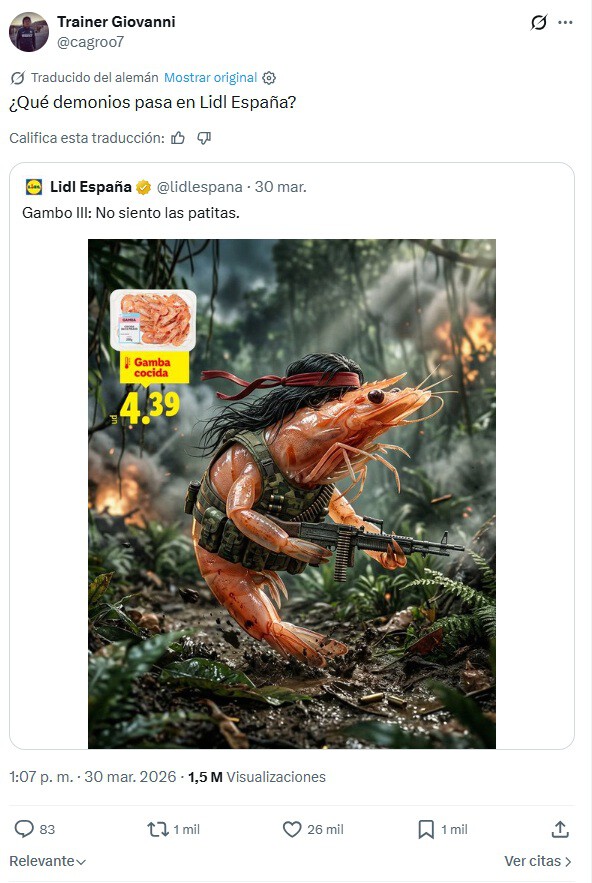
Lidl Spain's AI-generated shrimp meme has taken the internet by storm, leaving German audiences baffled by the surreal humor. The image, featuring a prawn with a machine gun and a red headband, was posted on X to promote cooked prawns. With over 1.4 million views in 24 hours, the post highlights how local marketing strategies can diverge dramatically from a brand's home country.
What Happened: Lidl Spain's Viral Shrimp Meme
On Monday, Lidl Spain shared an AI-generated illustration of a prawn dressed as Rambo, complete with a bandolier and a red headband. The accompanying text read, "Gambo III: No siento las patitas"—a pun on the movie Rambo III and a play on the Spanish phrase for "I don't feel my legs." The post quickly went viral, amassing over 1.4 million views within 24 hours.
Find Original Home Decor sparking conversation at Grand Goldman Shop.

The meme was a creative way to advertise cooked prawn trays, but it also showcased the chain's willingness to embrace absurd humor. With 251,100 followers on X, Lidl Spain's post resonated with local audiences who appreciate witty and unconventional marketing.
Why It Matters: Cultural Differences in Corporate Communication
This incident underscores that corporate communication is not one-size-fits-all. Lidl, a German multinational, operates in numerous markets, each with its own cultural nuances. What works in Spain might not translate well in Germany, where humor in advertising tends to be more restrained.
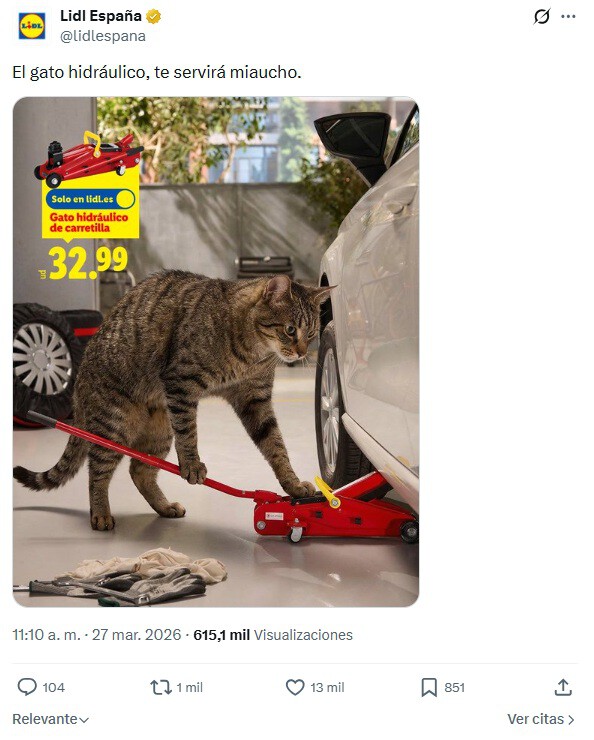
The German audience's reaction—a mix of shock and amusement—reveals the importance of localization. Multinationals must adapt their messaging to local tastes, even if it means deviating from the parent company's tone. Lidl Spain's meme is a prime example of how a global brand can leverage local humor to boost engagement.
The Role of AI in Marketing: Creativity or Controversy?
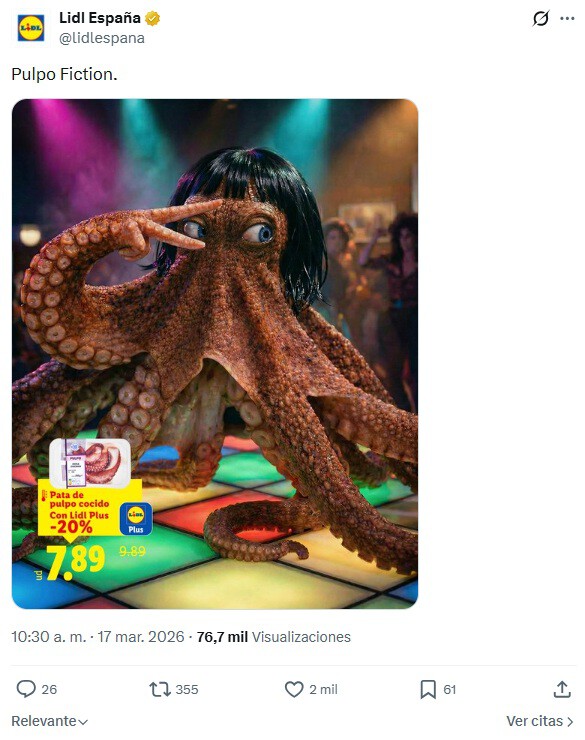
The use of AI to generate the shrimp image adds another layer of interest. AI is increasingly used in marketing to create eye-catching visuals, but it can also raise questions about authenticity and creativity. In this case, the AI-generated image was clearly intended as a humorous, over-the-top illustration, not a realistic depiction.
However, the meme also sparked discussions about the boundaries of AI in advertising. While some praised the creativity, others questioned whether such surreal imagery aligns with Lidl's brand identity. Regardless, the post succeeded in generating buzz and driving traffic to the product.
Who It Affects: Consumers and Marketers
Consumers are the primary audience for such campaigns, and their response determines the success of the meme. In Spain, the reaction was largely positive, with many users engaging with the post through likes, shares, and comments. This engagement translates to brand visibility and potentially increased sales.
Marketers, on the other hand, can learn from this case study. It demonstrates the value of taking risks and tailoring content to local audiences. It also highlights the need for community managers who understand the cultural context and can craft messages that resonate. The background to this story is set out in Catarina and the Beauty of Killing Fascists: British Audiences Brace. A related thread runs through Antena 3 Pays €50,000 for Viral 'La He Liado Parda' Meme. Earlier coverage in 40 Wholesome Family Photos Featuring Dogs That Show Dogs Complete Family shows how the argument developed.
What to Watch Next: Lidl's Future Campaigns
Will Lidl Spain continue to push the boundaries with similar campaigns? The success of the shrimp meme suggests that unconventional marketing can pay off. However, it also sets a precedent that might be hard to maintain. The brand will need to balance creativity with consistency to avoid alienating audiences. A closer look at the same subject appears in The Odyssey Review: Christopher Nolan's Epic Stuns Audiences. Anyone following the wider picture can start with Aura Farming Battles: Spanish Teens Flood Cities for Viral Meme. The same theme surfaces in Gen Z Dances Differently: The Fear of Going Viral as a Meme, which takes a different angle.
Moreover, other multinationals may take note and experiment with local humor in their advertising. The key will be to ensure that such campaigns align with the brand's overall identity while appealing to local sensibilities. Context on how this played out before sits in Gen Z Protest Memes: Indian Standup's Favorite Viral Moments.
- Lidl Spain's AI shrimp meme went viral with 1.4 million views in 24 hours.
- The campaign highlights cultural differences in corporate communication.
- AI-generated imagery is becoming a tool for creative marketing.
- Local humor can boost engagement but must align with brand identity.
- Marketers should consider localization to resonate with diverse audiences.
| Aspect | Details |
|---|---|
| Post Date | Monday |
| Platform | X (formerly Twitter) |
| Views (24h) | 1.4 million |
| Followers | 251,100 |
| Product | Cooked prawns |
| Meme Theme | Rambo parody |
FAQ
What was Lidl Spain's viral post about?
The post advertised cooked prawns using an AI-generated image of a prawn dressed as Rambo, with the caption "Gambo III: No siento las patitas." It quickly went viral, gaining over 1.4 million views in 24 hours.
Why did the post confuse German audiences?
German audiences are accustomed to a more formal and restrained tone in advertising. The surreal and humorous approach of Lidl Spain was unexpected and highlighted cultural differences in corporate communication.
How did Lidl Spain's post perform on social media?
The post exceeded 1.4 million views within 24 hours and generated significant engagement, demonstrating the effectiveness of localized, humorous content.
What can other brands learn from this campaign?
Brands should consider local culture and humor when crafting social media campaigns. What works in one market may not work in another, so localization is key to resonating with audiences.
The Lidl Spain case also raises broader questions about the role of AI in marketing. As AI tools become more accessible, brands may increasingly use them to create quirky and shareable content. But as we've seen with Finland's warning about rubber playgrounds, health and safety concerns often intersect with marketing decisions, reminding brands to consider the implications of their campaigns.
Ultimately, Lidl Spain's meme is a testament to the power of local creativity. It shows that even a global giant can benefit from letting local teams take the reins and speak directly to their audience. As multinationals continue to navigate diverse markets, such examples will serve as valuable lessons in balancing global consistency with local relevance.
For now, the Germans may be scratching their heads, but the Spanish are laughing all the way to the seafood aisle. And that, perhaps, is the ultimate measure of a successful campaign.
Browse the Shop
 Acacia frida deluxe solid wood bed frame |
Bedroom bench |
Bed chest drawers |
Lingerie dresser |
Frame base |
Mirror with jewelry storage |
30 Bathroom Vanity |
Memory foam queen mattress |
Mattresses for back pain |
Nightstand set of 2 |
Grand Goldman Shop |
Civil Lawyer
Deutschland Trikot WM 2026







