

Mount Fuji overtourism has ignited a fierce debate in Japan over what to do with reckless tourists who require rescues on the country's most iconic peak. Each year, over 200,000 people climb the four main trails, but many are ill-prepared for the mountain's harsh conditions.
The influx of visitors has led to a surge in rescue operations, putting strain on local resources and raising questions about responsibility and safety.
Find Original Home Decor sparking conversation at Grand Goldman Shop.

The Magnetic Pull of Mount Fuji
Mount Fuji is one of Japan's greatest symbols, drawing tens of thousands of tourists from around the world. Japan estimates that more than 200,000 people visit each season, with some sources putting the figure above 300,000.
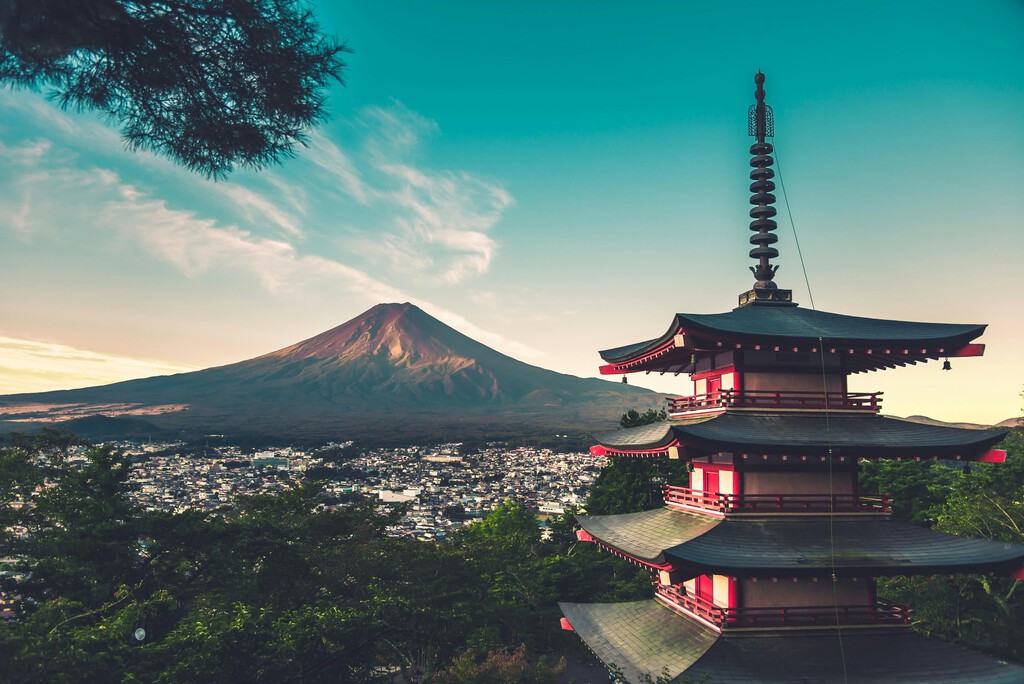
However, ascending the mountain is far from a walk in the park, especially for those who venture onto the trails outside the authorized season, which typically runs from July to September.
The Dangers of Underestimating the Climb
Many hikers underestimate the challenges of Mount Fuji. Altitude sickness, sudden temperature changes, long walks over volcanic ash, and the sheer 3,776-meter height can overwhelm even experienced climbers.
When things go wrong, rescue teams must risk their lives to save those who are unprepared. The issue is compounded by tourists who ignore safety warnings and attempt the climb in inadequate gear or without proper training.
The Debate: Who Pays for Rescues?
The debate over reckless tourists has intensified as rescue operations increase. Some argue that individuals should bear the cost of their rescue, while others believe that safety is a public responsibility.
Local authorities are exploring measures such as fines for unprepared climbers or mandatory insurance. The goal is to balance safety with the economic benefits of tourism.
What's Being Done to Curb Overtourism
Japan has already implemented some measures, such as limiting the number of climbers and suggesting donations for trail maintenance. But the debate continues on how to handle those who ignore rules.
Possible solutions include stricter enforcement, better education for tourists, and infrastructure improvements to handle emergencies more efficiently. The background to this story is set out in Mount Fuji Rescue Fees: Japan to Charge Tourists for Helicopter Rescues. A related thread runs through Mount Fuji Father Leaves Son Alone: Hiking Safety Warning. Earlier coverage in UK salmonella outbreak: one dead, over 200 ill from imported eggs shows how the argument developed.
What to Watch Next
As Mount Fuji remains a bucket-list destination, the challenge of managing overtourism and ensuring safety will persist. The decisions made in Japan could set a precedent for other overcrowded natural attractions worldwide. A closer look at the same subject appears in One person dead and more than 200 ill in UK salmonella outbreak. Anyone following the wider picture can start with Hokusai Mount Fuji Exhibition Leads Art Week Highlights. The same theme surfaces in Hokusai's Great Wave: Thirty-Six Views of Mount Fuji Review, which takes a different angle.
Travelers should stay informed about regulations and prepare adequately before attempting the climb. Responsible tourism is key to preserving both the mountain and the experience for future generations. Context on how this played out before sits in Legionnaires' Disease Outbreak in South Bronx: One Dead, Four Ill. A companion piece, Pokémon Card Stores in Japan Now Require Facial Recognition, approaches the same subject from another angle.
FAQ
Why is Mount Fuji dangerous for tourists?
Mount Fuji presents risks such as altitude sickness, extreme weather, and challenging terrain. Many tourists are unprepared for these conditions, leading to rescues.
What is the best time to climb Mount Fuji?
The official climbing season is from July to September, when the weather is milder and facilities are open. Climbing outside this period is discouraged due to safety concerns.
How many people climb Mount Fuji each year?
Over 200,000 people climb Mount Fuji annually, with some estimates exceeding 300,000 during peak season.
What measures are being taken to reduce overtourism?
Japan has implemented trail limits, donation requests, and educational campaigns. Further measures like fines and mandatory insurance are under consideration.
Browse the Shop
 Acacia frida deluxe solid wood bed frame |
Bedroom bench |
Bed chest drawers |
Lingerie dresser |
Frame base |
Mirror with jewelry storage |
30 Bathroom Vanity |
Memory foam queen mattress |
Mattresses for back pain |
Nightstand set of 2 |
Grand Goldman Shop |
Civil Lawyer
Deutschland Trikot WM 2026







