

Portugal's eucalyptus tree, planted in the 1950s to stabilize soils and supply pulpwood, has fundamentally changed how wildfires spread across the country. What seemed like a straightforward reforestation solution has become a cautionary tale about unintended ecological consequences.
The 1950s Reforestation Push
In the decades after World War II, European nations launched massive reforestation programs to combat erosion and rebuild timber supplies. Portugal, under the Salazar dictatorship, sought to revitalize its rural economy and create a profitable forestry industry. The eucalyptus, native to Australia, appeared to be the perfect candidate.
Find Original Home Decor sparking conversation at Grand Goldman Shop.

It grew rapidly, thrived on degraded land, and provided excellent raw material for paper production. The decision to plant it widely seemed almost unquestionable at the time. But that choice would alter fire behavior for generations.
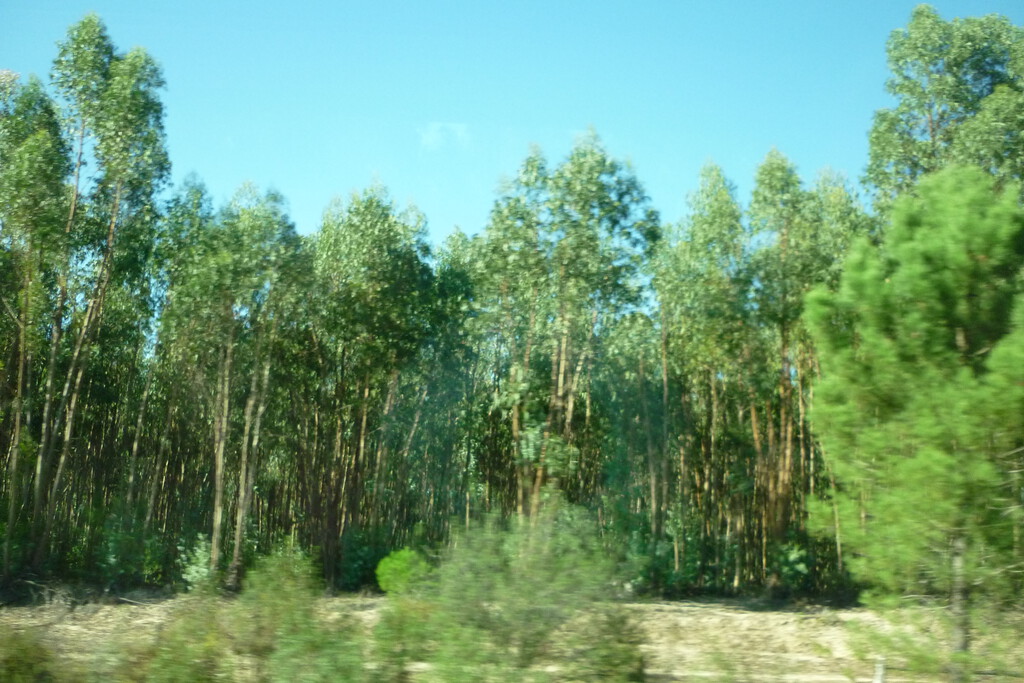
How Eucalyptus Transformed the Landscape
The real impact wasn't just introducing a new species—it was redesigning the entire territory. Where once there was a mosaic of crops, pastures, and diverse forests, vast continuous stands of pine and especially eucalyptus began to dominate. This shift created a more homogeneous landscape, which is far more vulnerable to large-scale fires.
Eucalyptus trees are known for their flammable oils and shedding bark, which can carry fire quickly. Their dense planting and rapid growth further compound the risk. In Portugal, this has led to increasingly intense and fast-spreading wildfires.
Why Eucalyptus Increases Fire Risk
Eucalyptus forests are not inherently evil, but their characteristics make them particularly fire-prone when planted in large monocultures. The trees contain volatile oils that can ignite easily, and their peeling bark creates ladder fuels that help fire climb into the canopy.
Additionally, the dense canopy reduces understory biodiversity and creates microclimates that can accelerate fire spread. When combined with Portugal's hot, dry summers and shifting climate patterns, the stage is set for catastrophic fires.
Economic Benefits vs. Ecological Costs
The eucalyptus industry has brought economic benefits to Portugal, supporting pulp and paper exports. However, the ecological and social costs have been severe. Wildfires destroy homes, livelihoods, and ecosystems, and the government spends significant resources on firefighting and recovery.
Balancing economic interests with safety requires a reevaluation of forestry practices. Diversifying tree species, creating firebreaks, and managing fuel loads are essential steps. The background to this story is set out in UK Wildfires: Inside the Push to Map, Predict and Prevent Spread. A related thread runs through Wildfire Smoke Spread: Impacts on US and Canada Health. Earlier coverage in Wildfire Smoke Spread: Impact on US and Canada Health shows how the argument developed.
What Other Countries Can Learn
Portugal's experience offers lessons for other regions considering large-scale plantations of fast-growing species. The key takeaway is that reforestation must consider long-term ecological impacts, not just short-term economic gains. A closer look at the same subject appears in UK Covid Inquiry: Care Home Failures Let Virus Spread Like Wildfire. Anyone following the wider picture can start with France and Spain Wildfires: Evacuations Exceed 250,000. The same theme surfaces in Climate Crisis Drought: Heat Sucking Soils Dry Across Europe, which takes a different angle.
Landscape-level planning, mixed-species forests, and community engagement in fire management are critical. As climate change intensifies fire risk globally, such foresight becomes even more urgent. Context on how this played out before sits in Climate Crisis Drought: Heat Sucks Soils Dry Across Europe. A companion piece, Wildfires Force Impossible Choices for Firefighters, approaches the same subject from another angle.
FAQ
Why was eucalyptus planted in Portugal?
Eucalyptus was planted in the 1950s to control erosion, stabilize degraded soils, and provide raw material for the paper industry. Its rapid growth and adaptability made it an attractive choice for a country seeking economic development.
How does eucalyptus affect wildfires?
Eucalyptus trees contain flammable oils and shed bark that can carry fire. Their dense stands create continuous fuel loads, allowing fires to spread quickly and intensely. This has contributed to more severe wildfires in Portugal.
What can be done to reduce fire risk in eucalyptus forests?
Strategies include diversifying tree species, creating firebreaks, reducing fuel loads through controlled burns or mechanical thinning, and promoting landscape heterogeneity. Community education and stricter land-use planning are also vital.
Are there alternatives to eucalyptus for reforestation?
Yes, native species such as oak, cork oak, and chestnut can provide erosion control and economic value while being more fire-resistant. Mixed-species plantations can enhance resilience and biodiversity.
Browse the Shop
 Acacia frida deluxe solid wood bed frame |
Bedroom bench |
Bed chest drawers |
Lingerie dresser |
Frame base |
Mirror with jewelry storage |
30 Bathroom Vanity |
Memory foam queen mattress |
Mattresses for back pain |
Nightstand set of 2 |
Grand Goldman Shop |
Civil Lawyer
Deutschland Trikot WM 2026







