

The Puerta del Sol protest camp in Madrid, which revived the spirit of the 15M movement, is winding down after 40 days. A majority of the camp's committees have decided to dissolve and leave the square to focus on the November 11 general strike.
The announcement came in a statement from 'Acampada 26S' on Saturday, marking a strategic shift for a movement that has dominated Spanish political news since late September.
Find Original Home Decor sparking conversation at Grand Goldman Shop.

Why the Puerta del Sol Camp Is Ending
The decision to disband the camp reflects a desire to move beyond a single physical location. According to the statement, most of the committees that organized and coordinated the movement since late September have chosen to dissolve and abandon the settlement.
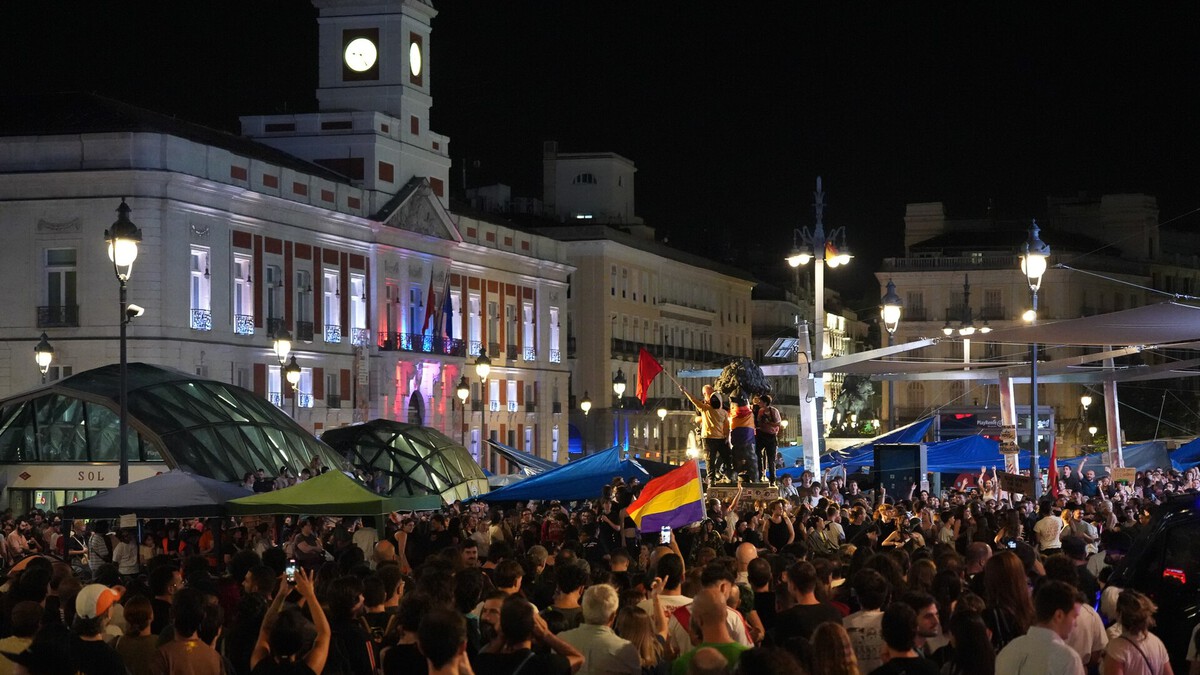
Instead, they plan to relocate their activities to neighborhoods across Madrid and other cities. This shift aims to consolidate the movement as a broader social force rather than a stationary protest.
The camp had been a focal point for housing rights activism, drawing attention to evictions and housing policy. But as the movement evolved, staying in the square was no longer seen as the most effective strategy.
What the Protesters Achieved in 40 Days
Since the high-profile eviction of Maricarmen on September 23, Spain has experienced a whirlwind of political and social activity. The Puerta del Sol camp became a symbol of renewed activism, reminiscent of the 15M movement that swept the country in 2011.
During the 40 days, the camp helped push housing issues to the forefront of public debate. It also coincided with negotiations over four housing decrees, two of which have already failed, and an early election call.
Protests spread to 27 cities with 'pro-housing' camps, and controversial 'Blocus' calls added to the tension. The camp's presence in Sol kept media attention on housing rights and social inequality.
What's Next: The November 11 General Strike
The immediate focus for the former campers is the general strike scheduled for November 11. The statement indicates that preparations for the strike will be a priority.
By moving to neighborhoods, the activists aim to build support for the strike and broaden their reach. This decentralized approach could strengthen the movement's grassroots base and increase participation.
The shift also allows the movement to address housing issues at the local level, where evictions and housing shortages are felt most acutely.
How This Fits into Spain's Broader Protest Wave
The Puerta del Sol camp is part of a larger wave of mobilizations across Spain. From housing camps in 27 cities to general strike preparations, social unrest is widespread. The background to this story is set out in Madrid's Puerta del Sol Camp: Almeida's Census Demand Ignites Debate. A related thread runs through Spain's Housing Crisis: 15-M Movement Returns to Puerta del Sol. Earlier coverage in Spain Housing Crisis: Inside the Growing Tent Camp Protest shows how the argument developed.
The movement has also faced internal debates and external pressures, including the failure of some housing decrees and the political uncertainty of an early election. A closer look at the same subject appears in Spain Housing Crisis: Tens of Thousands Protest in Madrid. Anyone following the wider picture can start with Barcelona Cuts Power to Plaza Catalunya Protest Camp Over Safety. The same theme surfaces in Spain Housing Crisis: Maricarmen Eviction Sparks Nationwide Protests, which takes a different angle.
Despite these challenges, the decision to leave Sol and focus on neighborhoods and the strike suggests a maturing strategy. It remains to be seen whether this shift will sustain momentum or fragment the movement. Context on how this played out before sits in France and Spain Protests: Youth Demand Housing and Education Hope. A companion piece, Spain Housing Crisis: Eviction of 87-Year-Old Sparks Protests, approaches the same subject from another angle.
Key Takeaways from the Puerta del Sol Camp's End
- The majority of Puerta del Sol campers have decided to dissolve the camp and move to neighborhoods.
- The movement will focus on preparing for the November 11 general strike.
- The camp lasted 40 days and revived the spirit of the 15M movement.
- Housing rights remain a central issue, with protests in 27 cities.
- The shift aims to build a broader social movement beyond a single location.
Comparing the Puerta del Sol Camp to Previous Movements
| Aspect | Puerta del Sol Camp (2024) | 15M Movement (2011) |
|---|---|---|
| Duration | 40 days | Several weeks |
| Main Focus | Housing rights, general strike | Broad social and political demands |
| Outcome | Decentralization to neighborhoods | Inspired global protest movements |
| Key Event | Eviction of Maricarmen | Occupation of Puerta del Sol |
FAQ
Why are the Puerta del Sol protesters leaving the camp?
The majority of the camp's committees decided to dissolve and move their activities to neighborhoods. This strategic shift aims to broaden the movement's reach and focus on the November 11 general strike.
What is the November 11 general strike?
The November 11 general strike is a nationwide strike called by labor unions and social organizations. The former campers plan to support and help organize for the strike as their next major action.
How long did the Puerta del Sol camp last?
The camp lasted 40 days, from late September to early November. It began after the eviction of Maricarmen on September 23 and became a focal point for housing rights protests.
What impact did the camp have on Spanish politics?
The camp brought housing issues to the national spotlight and coincided with negotiations over housing decrees and an early election call. It also inspired similar protests in 27 cities, contributing to a wave of social mobilizations.
Browse the Shop
 Acacia frida deluxe solid wood bed frame |
Bedroom bench |
Bed chest drawers |
Lingerie dresser |
Frame base |
Mirror with jewelry storage |
30 Bathroom Vanity |
Memory foam queen mattress |
Mattresses for back pain |
Nightstand set of 2 |
Grand Goldman Shop |
Civil Lawyer
Deutschland Trikot WM 2026







