

In 2026, the differences between Qualcomm and MediaTek processors are smaller than ever, and that's fantastic news for Android phones. Just a few years ago, buying a phone with a MediaTek chip meant settling for less performance, slower updates, and weaker efficiency. If you wanted raw power and timely software support, you looked for the Qualcomm Snapdragon badge on the box. But that reality has completely changed.
Today, the gap between the two chipmakers is narrower than it has ever been. While purists still argue over benchmark scores, the growing similarity between these processors is arguably the best thing to happen to the Android ecosystem in the last decade.
Find Original Home Decor sparking conversation at Grand Goldman Shop.

Why the Qualcomm vs MediaTek Gap Has Narrowed
The main victory in 2026 isn't just in $1,200 flagships—it's in phones that cost $300 or less. MediaTek, with its Dimensity series, has achieved something that once seemed impossible: delivering solid performance, ultra-low latency 5G connectivity, and 3-nanometer manufacturing processes in devices that don't require a huge investment or financing.
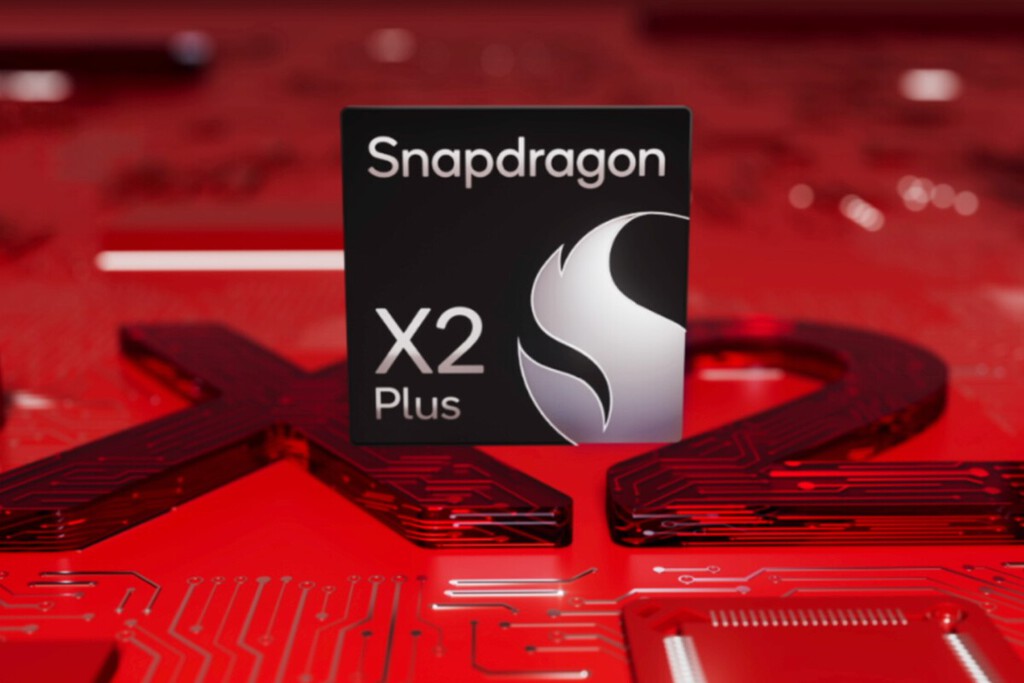
Qualcomm, for its part, has had to react. Dominating the high-end is no longer enough; pressure from MediaTek has forced the San Diego company to beef up its 6 and 7 series. As a result, a current mid-range phone now performs like a flagship from just two years ago.
Both chipmakers have stepped up their game due to competitive pressure. The trickle-down effect means consumers at every price point benefit from faster processors, better battery life, and more advanced features.
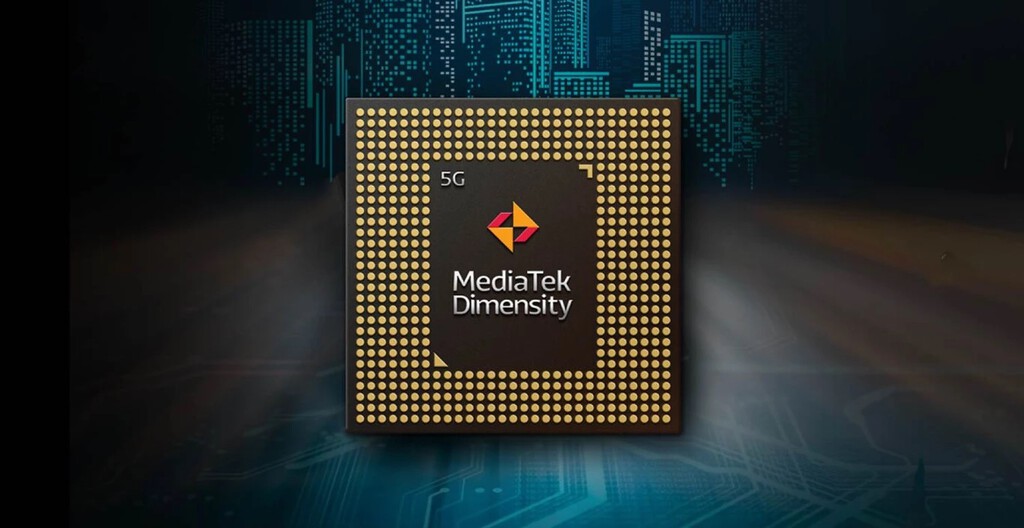
What This Means for Budget and Mid-Range Phones
The biggest winners are buyers of budget and mid-range smartphones. MediaTek's Dimensity chips have brought 5G and efficient 3nm processes to affordable devices, making premium features accessible to more people.
Qualcomm's enhanced 6 and 7 series have also raised the bar for mid-range performance. Now, a $400 phone can handle demanding games, multitasking, and AI tasks without breaking a sweat. This level of performance was unthinkable in this price bracket just a few years ago.
For consumers, the choice between Qualcomm and MediaTek is no longer about settling for less—it's about picking the right balance of features for your needs.
Key Takeaways for Android Buyers
- Performance parity: Mid-range chips from both brands now rival older flagships.
- Affordable 5G: MediaTek's Dimensity series brings 5G to budget phones.
- Faster updates: Qualcomm's improved mid-tier chips offer better long-term support.
- Efficiency gains: 3nm processes mean better battery life across price points.
- More choice: Competition drives innovation and value for consumers.
Comparing Qualcomm and MediaTek Chips in 2026
To understand the shift, it helps to compare the current lineups. The table below highlights key differences between Qualcomm's Snapdragon and MediaTek's Dimensity series across various tiers.
| Feature | Qualcomm Snapdragon | MediaTek Dimensity |
|---|---|---|
| Flagship performance | Snapdragon 8 Gen series: top-tier | Dimensity 9000 series: comparable |
| Mid-range value | Snapdragon 6/7 series: improved | Dimensity 8000 series: strong |
| Budget 5G | Snapdragon 4 series: limited | Dimensity 700 series: widespread |
| Manufacturing process | 4nm and 3nm | 3nm and 4nm |
| Update support | Generally longer | Improving rapidly |
As the table shows, both companies now offer competitive options at every price point. The differences are no longer night and day; they are nuances that matter less for everyday users.
The Impact on the Android Ecosystem
The narrowing gap between Qualcomm and MediaTek has profound implications for the Android ecosystem. First, it fosters healthier competition, driving both companies to innovate faster and price aggressively.
Second, it democratizes advanced technology. Features like 5G, AI processing, and high-refresh-rate gaming are no longer exclusive to premium devices. This benefits consumers worldwide, especially in price-sensitive markets.
Third, it puts pressure on smartphone makers to differentiate through software, design, and camera quality rather than just chipset branding. That's a win for innovation and user experience.
What to Watch Next in the Chipset Race
Looking ahead, the competition is only going to intensify. MediaTek is pushing further into the high-end with its Dimensity 9000 series, while Qualcomm is doubling down on AI and custom cores. The background to this story is set out in Qualcomm Snapdragon 8 Elite Gen 6 vs Extreme: What You Need to Know. A related thread runs through The smaller Fairphone 6 has exchangeable accessories and software support for 8 years. Earlier coverage in MediaTek Dimensity 9600 Pro: 2nm Chip Brings On-Device AI to Phones shows how the argument developed.
We can expect even more powerful mid-range chips, better energy efficiency, and faster update commitments. The lines between flagship and mid-range will continue to blur, giving consumers more value for their money. A closer look at the same subject appears in Xiaomi XRING O3 3nm SoC: End of Qualcomm and MediaTek Reliance. Anyone following the wider picture can start with Qualcomm's Snapdragon Sound Elite Gen 2 Brings Context-Aware AI to Earbuds. The same theme surfaces in Snapdragon 6s 4G Gen 2 and 4 Gen 4: Qualcomm's new solutions for affordable smartphones, which takes a different angle.
Ultimately, the Qualcomm vs MediaTek battle in 2026 is a story of convergence. And for Android users, that's a very good story indeed. Context on how this played out before sits in MediaTek Dimensity CX C10 Max: Snapdragon Rival for Premium Laptops. A companion piece, iPhone Duo Continuity: The Real Feature Android Should Copy, approaches the same subject from another angle.
FAQ
Is MediaTek as good as Qualcomm in 2026?
In 2026, MediaTek's high-end Dimensity chips are highly competitive with Qualcomm's Snapdragon counterparts, especially in performance and efficiency. The gap has narrowed significantly, making MediaTek a viable choice even for demanding users.
Why are Qualcomm and MediaTek differences shrinking?
Intense competition and advancements in manufacturing (like 3nm processes) have allowed MediaTek to close the gap. Qualcomm has responded by improving its mid-range offerings, leading to greater parity across the board.
Which chip is better for budget phones?
MediaTek's Dimensity series often provides better value in budget phones, offering 5G and solid performance at lower prices. However, Qualcomm's improved 6 and 7 series also deliver strong mid-range experiences.
Will this competition lead to better Android phones?
Absolutely. Competition drives innovation and affordability, resulting in better features, performance, and value for consumers across all price segments.
Browse the Shop
 Acacia frida deluxe solid wood bed frame |
Bedroom bench |
Bed chest drawers |
Lingerie dresser |
Frame base |
Mirror with jewelry storage |
30 Bathroom Vanity |
Memory foam queen mattress |
Mattresses for back pain |
Nightstand set of 2 |
Grand Goldman Shop |
Civil Lawyer
Deutschland Trikot WM 2026







