

Roman influence in Britain began well before the 43 AD invasion, according to a groundbreaking archaeological discovery in Essex. The find challenges long-held assumptions about the timing and nature of Rome's reach into Britain.
What Happened at the Essex Cemetery?
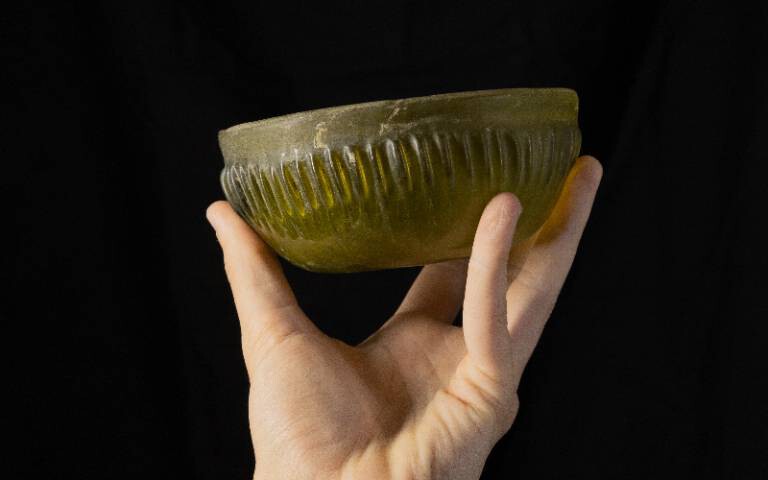
Archaeologists have unearthed an ancient cemetery near Chelmsford, Essex, containing a remarkable array of Roman artifacts. The burial site includes copper vessels, amphorae, nails, brooches, and even a delicate molded glass bowl, a piece considered exclusive.
Find Original Home Decor sparking conversation at Grand Goldman Shop.

What makes this discovery extraordinary is not just the objects themselves, but their age. Experts believe these items predate the Roman invasion of Britain in 43 AD, led by Emperor Claudius.
Why This Discovery Matters
The Essex cemetery provides tangible evidence that cultural, diplomatic, and economic contacts existed between Britain and Rome before any military conquest. This rewrites our understanding of Iron Age Britain and Rome's imperial strategy.
Rather than a sudden military strike, Rome's influence crept into Britain gradually through trade and diplomacy. The artifacts suggest that local elites were already adopting Roman customs and goods, paving the way for eventual annexation.
What Was Found in the Cemetery?
The excavation revealed a necropolis with several copper vessels, amphorae (used for transporting goods like wine and oil), iron nails, brooches, and a rare molded glass bowl. These items indicate a community with far-reaching connections.
The glass bowl, in particular, is a luxury item that would have been imported from the Roman world. Its presence in a pre-conquest context underscores the depth of exchange between Britain and the continent.
Who Is Affected by This Discovery?
This finding impacts historians, archaeologists, and anyone interested in Roman Britain. It also sheds light on the Iron Age communities of southeastern England, who were clearly more cosmopolitan than previously thought.
Local heritage groups and museums in Essex may soon see increased attention as the public learns about this significant find. The discovery also highlights the importance of developer-funded archaeology, as the site was likely excavated ahead of construction. The background to this story is set out in Lead Smelting in Iberia Began 900 Years Before Phoenicians. A related thread runs through Wari and Nazca: Four Mummies Challenge Conquest Theory. Earlier coverage in Alarcos Excavation Reveals Major Archaeological Discovery in Spain shows how the argument developed.
What to Watch Next
Further analysis of the artifacts, including dating and provenance studies, will refine our understanding of pre-conquest Roman influence. Archaeologists may also look for similar sites in the region to see if this cemetery is part of a broader pattern. A closer look at the same subject appears in Mexico: Guide to Visiting the Archaeological Site of Ek Balam. Anyone following the wider picture can start with Olga Soffer: Archaeologist Who Revealed Prehistoric Women's Role. The same theme surfaces in Trending: latest articles, which takes a different angle.
As research continues, expect more insights into how Rome used trade and cultural diplomacy to soften up target territories before military action. This discovery is a reminder that empires often expand through influence as much as through force. Context on how this played out before sits in Ancient Child Burial with Sword Unearthed in France. A companion piece, Ancient Carved Stones in Southwest Iberia Finally Explained by Huelva, approaches the same subject from another angle.
Key Takeaways
- Roman artifacts found in Essex predate the 43 AD invasion.
- The cemetery includes luxury goods like a molded glass bowl.
- Evidence points to trade and diplomatic links before conquest.
- Discovery reshapes understanding of Iron Age Britain and Roman strategy.
- Further studies may reveal similar pre-conquest sites.
Comparison of Roman Influence Before and After 43 AD
| Aspect | Before 43 AD | After 43 AD |
|---|---|---|
| Nature of contact | Trade, diplomacy, cultural exchange | Military occupation and direct rule |
| Evidence | Imported goods in burials (e.g., Essex cemetery) | Forts, roads, towns, and administrative centers |
| Roman presence | Indirect, through goods and influence | Direct, with legions stationed in Britain |
| Impact on locals | Gradual adoption of Roman customs by elites | Rapid integration into Roman provincial system |
FAQ
What did archaeologists find in Essex?
They found a cemetery with copper vessels, amphorae, nails, brooches, and a molded glass bowl, all indicating Roman connections.
Why is the discovery significant?
Because the artifacts predate the 43 AD Roman invasion, showing that Roman influence reached Britain earlier than previously thought.
Does this mean Britain was Roman before 43 AD?
No, Britain was not under Roman rule, but there was significant cultural and economic exchange that paved the way for conquest.
What happens next?
Researchers will analyze the artifacts further and search for similar sites to understand the extent of pre-conquest Roman influence.
Browse the Shop
 Acacia frida deluxe solid wood bed frame |
Bedroom bench |
Bed chest drawers |
Lingerie dresser |
Frame base |
Mirror with jewelry storage |
30 Bathroom Vanity |
Memory foam queen mattress |
Mattresses for back pain |
Nightstand set of 2 |
Grand Goldman Shop |
Civil Lawyer
Deutschland Trikot WM 2026







