

Spain's rental market is so broken that record overcrowding is now a reality for many tenants. As rents soar and housing supply dwindles, more people are forced to share cramped living spaces, even as single-person households grow.
This paradox—more people living alone yet more people overcrowded—reveals deep structural issues in Spain's housing system. It affects renters disproportionately and signals a growing social and economic divide.
Find Original Home Decor sparking conversation at Grand Goldman Shop.

What Is Overcrowding and Why Does It Matter?
Overcrowding, or hacinamiento, occurs when a dwelling lacks enough rooms for its occupants. Eurostat defines it as not having a room for each couple, each adult, or each pair of same-sex youth. In Spain, this is increasingly common, especially in rented homes.
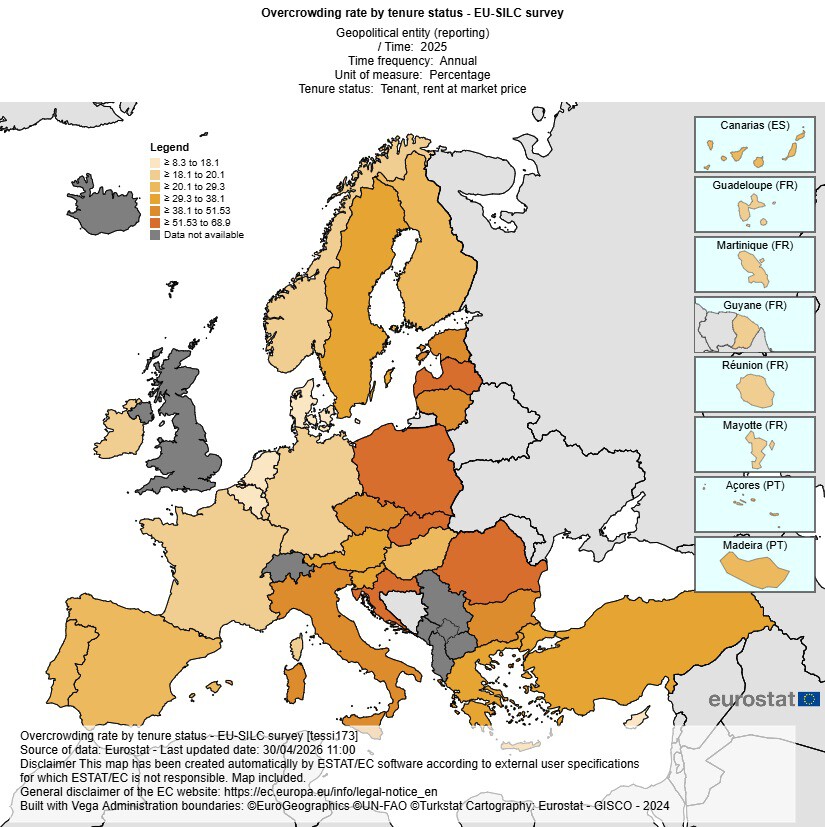
According to Eurostat, 9.5% of Spain's population lives in overcrowded conditions. That's a significant share and highlights the strain on the rental market. Overcrowding affects quality of life, health, and productivity, making it a critical issue.
The Paradox: More Solo Living, More Overcrowding
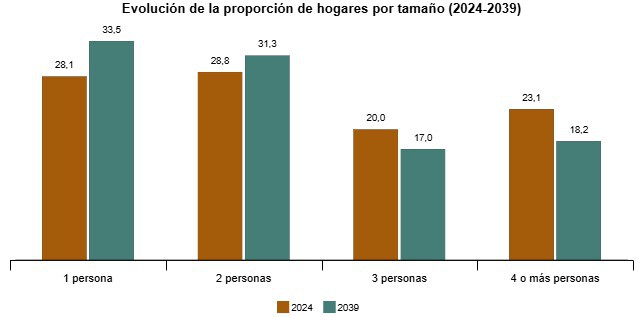
Spain is seeing a rise in single-person households, which are projected to become the most common type. Yet simultaneously, many are forced into overcrowded living arrangements. This contradiction stems from a housing market that fails to provide affordable options for diverse needs.
Young people and low-income families bear the brunt. High rents push them into shared apartments or even shared rooms, while others manage to live alone, often at the cost of other expenses. The result is a fragmented housing landscape.
Key Drivers of Spain's Rental Crisis
Several factors contribute to the crisis. Understanding them is essential to grasp the full picture.
- Soaring rents: Rental prices have outpaced income growth, makingaffordable housing scarce.
- Limited supply: Construction hasn't kept up with demand, especially in urban areas.
- Tourist rentals: Short-term rentals divert housing from long-term residents.
- Job insecurity: Precarious work limits housing choices.
- Population shifts: Migration to cities intensifies pressure on urban housing.
These factors create a perfect storm, forcing many into overcrowded conditions.
Who Is Affected Most?
Renters, particularly young adults and families with children, are hit hardest. They often have no choice but to accept substandard living conditions. Immigrants and low-wage workers are also vulnerable.
The crisis exacerbates inequality. Those who can afford it live comfortably, while others struggle. This divide has long-term implications for social cohesion and economic stability.
Comparing Overcrowding Rates Across Europe
Spain's overcrowding rate of 9.5% is moderate compared to some EU countries but higher than others. The table below shows selected countries for context.
| Country | Overcrowding Rate (%) |
|---|---|
| Romania | 41.0 |
| Poland | 36.0 |
| Italy | 25.0 |
| Spain | 9.5 |
| Germany | 7.0 |
| Netherlands | 4.0 |
While Spain fares better than some, the trend is worrying, especially given its economic stature.
What's Being Done and What's Next?
Policy responses have been limited. Some regions have introduced rent caps, but their effectiveness is debated. Increased social housing and regulation of tourist rentals are often cited as solutions. The background to this story is set out in Spain Rental Crisis: Young Tenants Now Living Without a Living Room. A related thread runs through Spain Housing Crisis: New Eviction Bans and Rental Reforms. Earlier coverage in Madrid Tenants Fight Landlords with Art in Housing Crisis shows how the argument developed.
However, without comprehensive reform, the crisis is likely to worsen. The growing number of single-person households will demand smaller, affordable units, while overcrowding persists for those left behind. A closer look at the same subject appears in Awaab's Law Failures Leave Social Housing Tenants in Mouldy Homes. Anyone following the wider picture can start with Spain Housing Market 2026: Sales Fall but Prices Keep Rising. The same theme surfaces in Public Housing Tenants in Private Homes Face Eviction Crisis, which takes a different angle.
Addressing the rental crisis requires a multi-faceted approach. Boosting supply, protecting tenants, and ensuring affordable housing are critical. The alternative is a continued spiral of overcrowding and inequality. Context on how this played out before sits in Tenants Wants Landlord To Be More Professional, Regrets It When He Does. A companion piece, Australia Housing Market Crash Risk: Can Affordability Be, approaches the same subject from another angle.
FAQ
What is considered overcrowding in Spain?
Overcrowding is defined by Eurostat as a dwelling without enough rooms for each couple, adult, or pair of same-sex youth. In Spain, 9.5% of the population lives in such conditions.
Why is overcrowding increasing in Spain's rental market?
High rents, limited housing supply, and insecure jobs force many renters into overcrowded situations. The market fails to provide affordable options, especially in cities.
How does Spain's overcrowding compare to other EU countries?
Spain's rate of 9.5% is lower than Romania (41%) and Poland (36%) but higher than Germany (7%) and the Netherlands (4%).
What can be done to solve the rental crisis?
Solutions include increasing social housing, regulating short-term rentals, and implementing rent controls. Comprehensive reform is needed to address the root causes.
Browse the Shop
 Acacia frida deluxe solid wood bed frame |
Bedroom bench |
Bed chest drawers |
Lingerie dresser |
Frame base |
Mirror with jewelry storage |
30 Bathroom Vanity |
Memory foam queen mattress |
Mattresses for back pain |
Nightstand set of 2 |
Grand Goldman Shop |
Civil Lawyer
Deutschland Trikot WM 2026







