

Ukraine has expanded its naval campaign against Russia far beyond the Black Sea, striking three Russian vessels in two distant seas within 24 hours. The attacks, attributed to Ukrainian forces, hit the modern corvette Merkury in the Libyan port of Benghazi and the cargo ship Ascalon off Libya's coast, while the Russian cargo vessel Sparta II was left adrift in the Baltic Sea after another suspected Ukrainian strike.
This coordinated action marks a new phase in the war, where Kyiv appears to have turned Russia's naval map into a giant game of Battleship. The incidents demonstrate Ukraine's growing capability to project power across vast distances, challenging Russia's naval dominance on multiple fronts.
Find Original Home Decor sparking conversation at Grand Goldman Shop.

Ukraine's Naval War Expands to the Mediterranean
Satellite images obtained by The War Zone show the Merkury completely listing and sunk alongside the pier in Benghazi, with only the front part of the bow visible above water. According to Associated Press, at least six naval drones participated in the operation: four were intercepted and two succeeded in hitting the target.
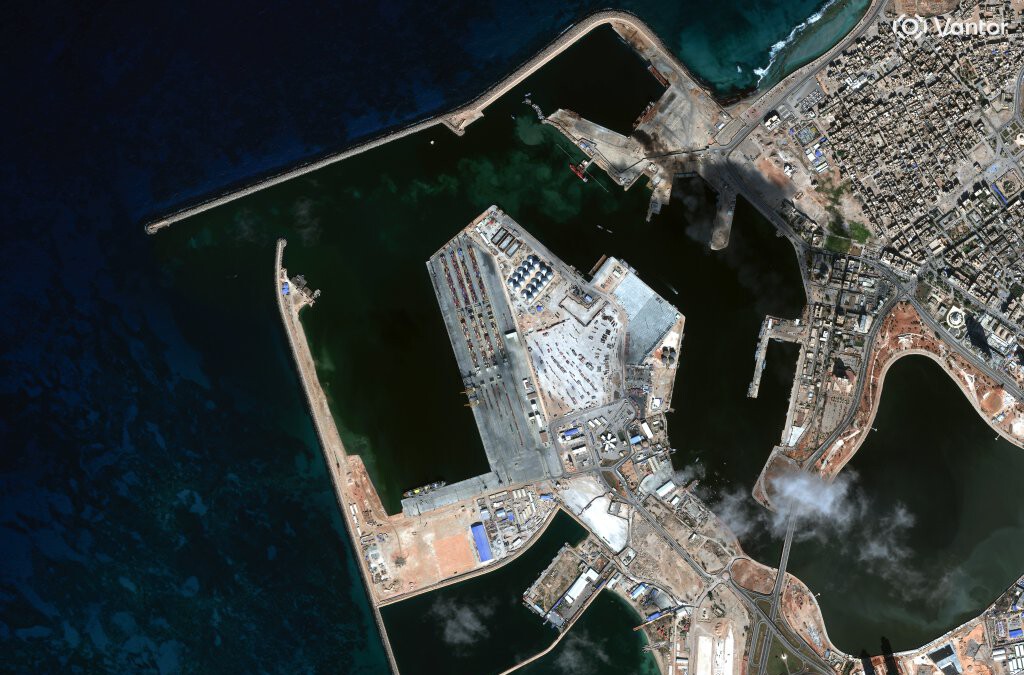
The Merkury is a modern corvette, part of Russia's latest naval construction, and its loss in a foreign port represents a significant blow to Moscow's prestige. The attack also highlights Ukraine's ability to reach Russian assets in the Mediterranean, a region where Russia has maintained a naval presence for years.
The cargo ship Ascalon was also hit off the Libyan coast, further demonstrating Ukraine's reach. These strikes in Libya, a country with which Russia has cultivated close ties, suggest that Kyiv is willing to pursue Russian targets wherever they may be.
Baltic Sea Strike: Sparta II Adrift
In the Baltic Sea, the Russian cargo ship Sparta II was left adrift after another suspected Ukrainian attack. The vessel, which had been used to transport military equipment, was reportedly struck by a naval drone, causing significant damage.
This attack in the Baltic, far from Ukraine's shores, underscores the breadth of Ukraine's naval drone capabilities. It also puts pressure on Russia's Baltic Fleet, which has already been forced to take precautions against potential Ukrainian strikes.
The simultaneous strikes in the Mediterranean and the Baltic stretch Russia's naval resources thin, forcing Moscow to defend assets across multiple theaters.
Why This Matters: A New Phase in Naval Warfare
Ukraine's ability to strike Russian ships in the Mediterranean and the Baltic represents a paradigm shift in naval warfare. The use of unmanned surface vessels (USVs) to target ships in distant ports demonstrates the growing sophistication and reach of Ukraine's drone program.
For Russia, the losses are not just material but also symbolic. The sinking of the Merkury, a modern corvette, in a Libyan port shows that even far-flung Russian assets are vulnerable. This could force Russia to reconsider its naval deployments and potentially withdraw ships from exposed locations.
For Ukraine, these attacks serve as a morale booster and a demonstration of its ability to take the fight to the enemy. They also signal to Western allies that Ukraine can effectively utilize advanced weaponry to achieve strategic effects.
Key Takeaways
- Ukraine struck three Russian vessels in two distant seas within 24 hours, expanding the naval war beyond the Black Sea.
- The corvette Merkury was sunk in Benghazi, Libya, using naval drones, with satellite imagery confirming the loss.
- The cargo ship Sparta II was left adrift in the Baltic Sea after a suspected Ukrainian attack.
- These operations demonstrate Ukraine's growing capability to project power across vast distances.
- Russia now faces the challenge of defending naval assets in multiple theaters, stretching its resources.
Comparison of the Attacks
| Vessel | Location | Sea | Type | Result |
|---|---|---|---|---|
| Merkury | Benghazi, Libya | Mediterranean | Corvette | Sunk |
| Ascalon | Off Libya | Mediterranean | Cargo ship | Hit |
| Sparta II | Baltic Sea | Baltic | Cargo ship | Adrift |
What to Watch Next
Russia's response to these attacks will be closely watched. Moscow may increase defensive measures around its naval bases and could retaliate with strikes on Ukrainian ports or infrastructure. The international reaction, particularly from NATO members in the Mediterranean and Baltic regions, will also be important. The background to this story is set out in Naval Drone Warfare: First Drone-on-Drone Kill in Black Sea. A related thread runs through Ukraine Disables Russian Refineries by Striking Hard-to-Replace Parts. Earlier coverage in Zelenskyy: Russia Has Damaged Every Ukrainian Power Plant shows how the argument developed.
Ukraine's ability to sustain such long-range strikes will depend on its supply of drones and intelligence. If it can continue to threaten Russian ships far from its shores, it could fundamentally alter the naval balance in the war. A closer look at the same subject appears in Ukraine War: Zelenskyy Condemns Moscow Terror Strikes. Anyone following the wider picture can start with Russia Strikes Weapons Exhibition Near Kyiv: 10 Killed. The same theme surfaces in Russia's Rapid Attacks on Ukraine Civilian Infrastructure, which takes a different angle.
The attacks also raise questions about the security of international shipping in these regions. The use of naval drones in crowded waterways like the Mediterranean and the Baltic sets a precedent that could have implications for global maritime security. Context on how this played out before sits in Ukraine Drones Strike Wildberries Warehouse: Business Impact. A companion piece, Ukraine Ballistic Missiles Could Strike Russia in Months, approaches the same subject from another angle.
FAQ
What happened to the Russian corvette Merkury?
The Merkury was sunk in the port of Benghazi, Libya, by Ukrainian naval drones. Satellite images show the ship listing and partially submerged.
Where did the attacks on Russian ships take place?
The attacks occurred in two distant seas: the Mediterranean (off Libya) and the Baltic Sea. This shows Ukraine's ability to strike far from its own shores.
Why is this significant for the war?
It demonstrates Ukraine's growing naval drone capabilities and forces Russia to defend assets across multiple theaters, stretching its resources.
What is the Sparta II and what happened to it?
The Sparta II is a Russian cargo ship that was left adrift in the Baltic Sea after a suspected Ukrainian attack.
Browse the Shop
 Acacia frida deluxe solid wood bed frame |
Bedroom bench |
Bed chest drawers |
Lingerie dresser |
Frame base |
Mirror with jewelry storage |
30 Bathroom Vanity |
Memory foam queen mattress |
Mattresses for back pain |
Nightstand set of 2 |
Grand Goldman Shop |
Civil Lawyer
Deutschland Trikot WM 2026







