

The Ukraine war has spawned a new breed of Mad Max-style boats in the Black Sea, fitted with metal screens and nets to counter FPV drones. These improvised modifications echo World War II survival tactics, where Allied ships used mattresses and sandbags against kamikaze attacks. Now, as cheap drones dominate the battlefield, even advanced naval vessels are adopting makeshift defenses.
Why Ukraine War Boats Are Turning Into Mad Max Vehicles
The Ukraine war has turned the Black Sea into a testing ground for improvised naval armor. Both sides are equipping boats with metal cages, nets, and other barriers to protect against FPV drones that attack from above. These drones are cheap, ubiquitous, and hard to stop, forcing navies to adapt quickly.
Find Original Home Decor sparking conversation at Grand Goldman Shop.

What started as desperate measures on land—tanks with cope cages—has now spread to the water. The goal is simple: survive a few extra seconds under a sky saturated with drones. This shift highlights a broader trend in modern warfare, where low-cost technology challenges expensive military hardware.
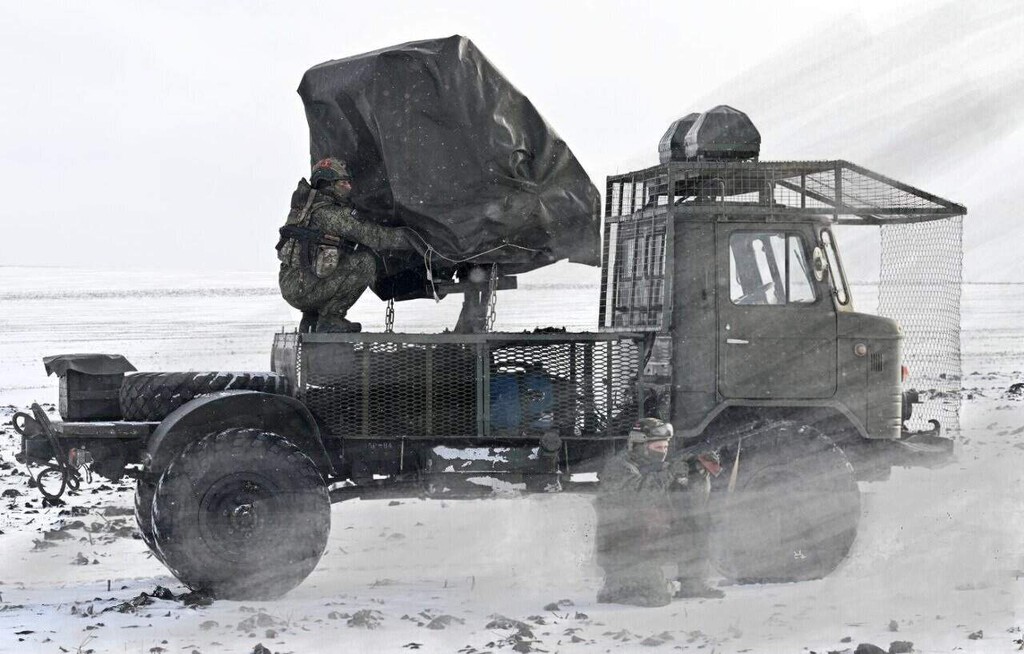
The Rise of Improvised Armor in the Black Sea
Images from the conflict show boats covered in metal screens and nets, resembling something out of a post-apocalyptic movie. These modifications are not pretty, but they address a critical vulnerability: drones that dive onto targets from above. Traditional naval defenses struggle against such small, agile threats.
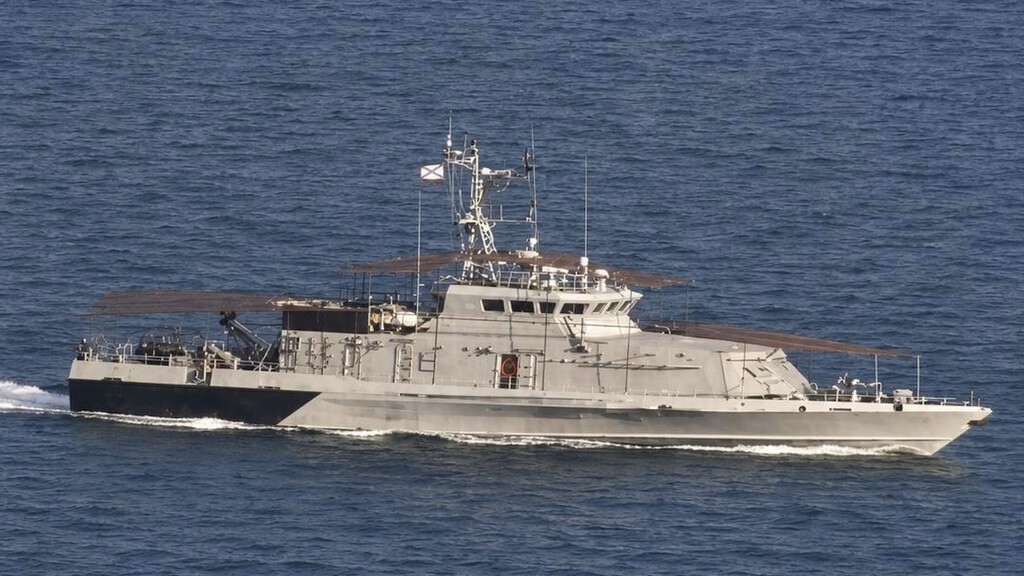
The Ukraine war has accelerated this trend. Both Russian and Ukrainian forces are using these improvised solutions, often built from scrap metal and commercial nets. The result is a fleet that looks more like survivalist vehicles than symbols of military power.
How FPV Drones Changed Naval Tactics
FPV drones are small, maneuverable, and equipped with cameras that stream live video to operators. They can be armed with explosives and flown directly into targets, making them a precision weapon at a fraction of the cost of missiles. In the Black Sea, they have become a persistent threat to patrol boats and supply vessels.
To counter them, crews have added layers of protection. Metal screens can detonate drone warheads prematurely, while nets can entangle propellers. These measures are not foolproof, but they improve survival odds. The Ukraine war has shown that even simple countermeasures can make a difference. The background to this story is set out in NATO Bolsters Black Sea Defense as Russian Attacks on Ships Escalate. A related thread runs through Ukraine War: Black Sea Drone Attacks Disrupt Global Trade. Earlier coverage in Turkey Calls for Black Sea Attacks Moratorium: Ukraine War Update shows how the argument developed.
Key Takeaways from the Mad Max Naval Adaptations
- Improvised armor like metal screens and nets provides a last line of defense against FPV drones.
- The Ukraine war has normalized these modifications, with both sides adopting them.
- Low-cost drones are forcing navies to rethink traditional protection strategies.
- These adaptations echo historical precedents, such as World War II improvised armor.
- The effectiveness of such measures is limited but can buy crucial seconds in combat.
Comparing Improvised Naval Defenses
| Defense Type | Materials Used | Purpose | Effectiveness |
|---|---|---|---|
| Metal Screens (Cope Cages) | Steel bars, welded mesh | Pre-detonate drone warheads | Moderate; can deflect some attacks |
| Nets | Nylon or wire mesh | Entangle drone propellers | Variable; depends on drone size |
| Sandbags | Fabric bags filled with sand | Absorb blast fragments | Low; adds weight and reduces speed |
| Wooden Logs | Timber | Standoff distance for explosions | Limited; mainly psychological |
What This Means for Future Naval Warfare
The Ukraine war has demonstrated that cheap drones can challenge conventional navies. As a result, militaries worldwide are watching closely. The improvisations seen in the Black Sea may influence future designs, leading to built-in counter-drone systems. A closer look at the same subject appears in Drone Attacks Sink Ships Off Bulgaria: Black Sea Security Risks. Anyone following the wider picture can start with Black Sea Grain Crisis: Attacks Drive Food Prices Higher. The same theme surfaces in Ukrainian Drone Attacks on Black Sea Resort Kill 11, Russia, which takes a different angle.
However, these ad-hoc solutions are not a long-term answer. They add weight, reduce speed, and can interfere with sensors. The real fix will likely involve electronic warfare and dedicated anti-drone weapons. But for now, the Mad Max-style boats are a stark reminder of war's ingenuity in the face of necessity. Context on how this played out before sits in Ukrainian Drone Attacks on Black Sea Resort and Crimea Kill 11. A companion piece, Ukraine War Threatens Egypt Food Supply from Black Sea Strikes, approaches the same subject from another angle.
FAQ
What are Mad Max-style boats in the Ukraine war?
They are naval vessels modified with improvised armor such as metal screens and nets to defend against FPV drone attacks, resembling vehicles from the Mad Max films.
Why are boats using metal screens and nets?
These modifications help pre-detonate drone warheads or entangle propellers, providing a cheap and quick way to improve survivability against low-cost drone threats.
Are these improvised defenses effective?
They offer limited but valuable protection, buying time and reducing damage. However, they are not foolproof and can impact vessel performance.
How does this relate to World War II tactics?
Like the improvised armor used by Allied ships against kamikaze attacks, today's modifications are desperate responses to new threats, showing how warfare adapts under pressure.
Browse the Shop
 Acacia frida deluxe solid wood bed frame |
Bedroom bench |
Bed chest drawers |
Lingerie dresser |
Frame base |
Mirror with jewelry storage |
30 Bathroom Vanity |
Memory foam queen mattress |
Mattresses for back pain |
Nightstand set of 2 |
Grand Goldman Shop |
Civil Lawyer
Deutschland Trikot WM 2026







