

Ukraine's robot war has reached a new milestone: for the first time in history, a Russian position was captured without direct soldier involvement, using only aerial drones and ground robots. The claim, made by President Volodymyr Zelensky, signals a profound shift in how battles are fought and who—or what—does the fighting.
The operation reportedly ended with Russian troops surrendering and no Ukrainian casualties. While independent verification is pending, the announcement was accompanied by a promotional video highlighting Ukraine's growing reliance on unmanned systems. This event, if confirmed, marks a turning point in modern warfare.
Find Original Home Decor sparking conversation at Grand Goldman Shop.

What Happened: The First All-Robot Capture
According to Zelensky, Ukrainian forces deployed a combination of aerial drones and ground-based robots to assault a Russian-held position. The robots reportedly carried out the assault, forcing Russian soldiers to surrender without any Ukrainian infantry setting foot on the site.
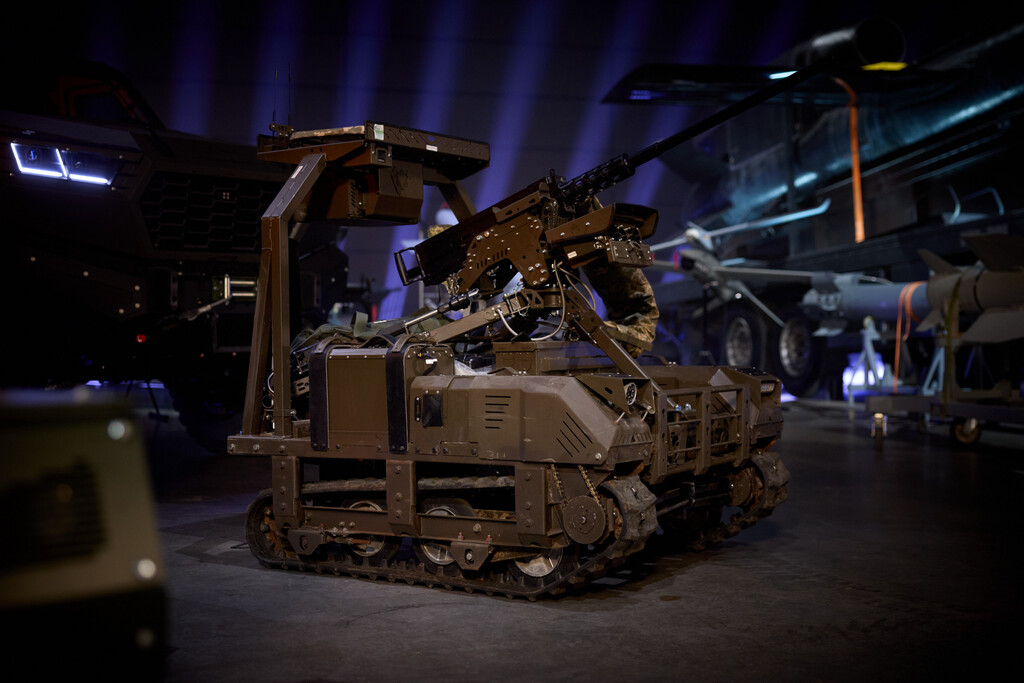
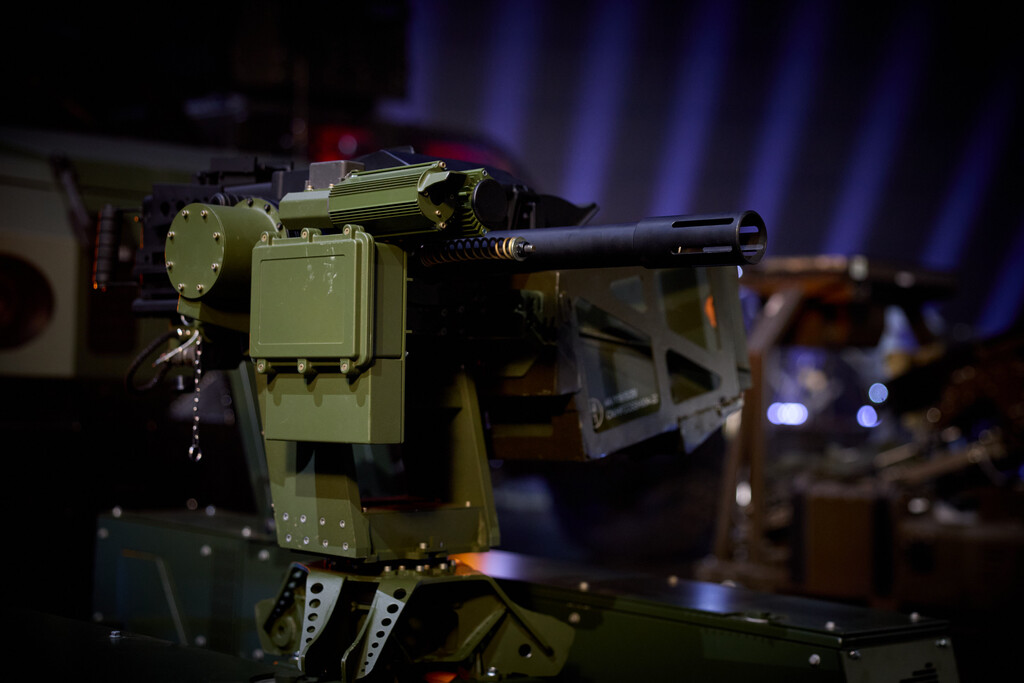
The operation involved systems like TerMIT, Ratel, Ardal, Lynx, and Volya—names that are no longer prototypes but active participants in combat. These machines performed a full mission cycle, from reconnaissance to engagement, demonstrating a new level of autonomy.
Why It Matters: Redefining the Rules of War
This event is not just a tactical victory; it represents a strategic leap. Warfare has been gradually moving toward unmanned systems, but the complete capture of a position without human presence on the assaulting side is unprecedented.
It raises urgent questions about the role of humans in future conflicts. If machines can take and hold ground, the human cost of war could drop dramatically—but so could the barriers to initiating conflict. The psychological impact on opposing forces, who may face relentless machines, is also significant.
The Technology Behind the Operation
Ukraine has been rapidly developing and deploying unmanned systems since the full-scale invasion. The robots used in this operation are part of a broader arsenal that includes aerial drones for surveillance and strike, and ground robots for logistics, medevac, and combat.
These systems are often remotely operated, but increasing autonomy is a key trend. The ability to coordinate multiple robots in a single mission requires advanced communication and control networks, which Ukraine has been building with Western support.
Key Systems Involved
- TerMIT: a ground robot capable of carrying weapons or supplies.
- Ratel: a multi-purpose unmanned ground vehicle.
- Ardal: another ground platform used for combat and reconnaissance.
- Lynx: a drone system for aerial support.
- Volya: a robotic system designed for various battlefield tasks.
Scale of Drone Warfare: 22,000 Missions in Three Months
Zelensky also claimed that Ukrainian military robots had completed over 22,000 missions in the last three months. This figure underscores the scale at which unmanned systems are being used, from reconnaissance to direct combat.
Such high tempo operations would be impossible with human soldiers alone, given the risks and fatigue. Robots can operate continuously, limited only by maintenance and supply. This volume of missions also generates vast amounts of data, which can be used to improve tactics and machine performance.
| System | Type | Primary Role |
|---|---|---|
| TerMIT | Ground robot | Combat/supply |
| Ratel | Ground robot | Multi-purpose |
| Ardal | Ground robot | Combat/recon |
| Lynx | Aerial drone | Aerial support |
| Volya | Robotic system | Various tasks |
Historical Echoes: The Oerlikon Incident
The news evokes memories of a 2007 incident in South Africa, where an Oerlikon GDF-005 anti-aircraft cannon malfunctioned during a military exercise and fired autonomously, causing casualties. That event highlighted the dangers of unsupervised machines in combat zones.
Unlike that accident, the Ukrainian operation was deliberate and controlled. However, it still raises ethical and operational questions about accountability and the potential for escalation when machines make lethal decisions. The background to this story is set out in BAE Systems' Brontanax: The Unmanned Future of British Combat Aviation. A related thread runs through AI in Warfare: Why Governments Must Regulate Autonomous Weapons. Earlier coverage in Zelenskyy Fires Ukraine's Army Chief, Offers Fedorov Position shows how the argument developed.
What to Watch Next
Independent verification of the capture will be crucial. If confirmed, it will likely accelerate global investment in military robotics. Russia will undoubtedly seek to counter these systems, possibly through electronic warfare or its own unmanned platforms. A closer look at the same subject appears in Trump Announces Russian Diesel Deal as Zelensky Slams 'Gift to Putin'. Anyone following the wider picture can start with Zelenskyy: Starshield Limits Enable Russian Energy Attacks. The same theme surfaces in US and Russia Block Binding Autonomous Weapons Rules at UN, which takes a different angle.
The international community will also grapple with the implications for laws of armed conflict. The distinction between remote-controlled and fully autonomous systems remains a legal gray area, and incidents like this push the boundaries further. Context on how this played out before sits in North Korean Missile Captured in Ukraine Reveals Hybrid Tech. A companion piece, Zelenza's Dual Future: IT Services vs. Unmanned Naval Drones, approaches the same subject from another angle.
FAQ
What exactly happened in the robot capture?
Ukrainian forces used aerial drones and ground robots to assault a Russian position, resulting in the surrender of Russian troops without any Ukrainian soldiers directly engaging. President Zelensky announced the event, though it awaits independent verification.
Which robotic systems were used?
The operation involved systems such as TerMIT, Ratel, Ardal, Lynx, and Volya. These are Ukrainian-developed unmanned platforms designed for various combat and support roles.
How many missions have Ukrainian robots completed?
Zelensky stated that Ukrainian military robots have completed over 22,000 missions in the last three months, indicating a high operational tempo.
Why is this event significant?
It marks the first known instance of a position being captured entirely by machines, potentially redefining the role of humans in warfare and raising ethical and legal questions about autonomous combat.
Browse the Shop
 Acacia frida deluxe solid wood bed frame |
Bedroom bench |
Bed chest drawers |
Lingerie dresser |
Frame base |
Mirror with jewelry storage |
30 Bathroom Vanity |
Memory foam queen mattress |
Mattresses for back pain |
Nightstand set of 2 |
Grand Goldman Shop |
Civil Lawyer
Deutschland Trikot WM 2026







