

Ukraine is now producing steel coffin-like capsules designed to keep wounded soldiers alive on the front lines. These armored rescue pods, mounted on robotic platforms, are changing how casualties are evacuated in a war where every rescue mission can be suicidal.
What Is the Caseevak Steel Capsule?
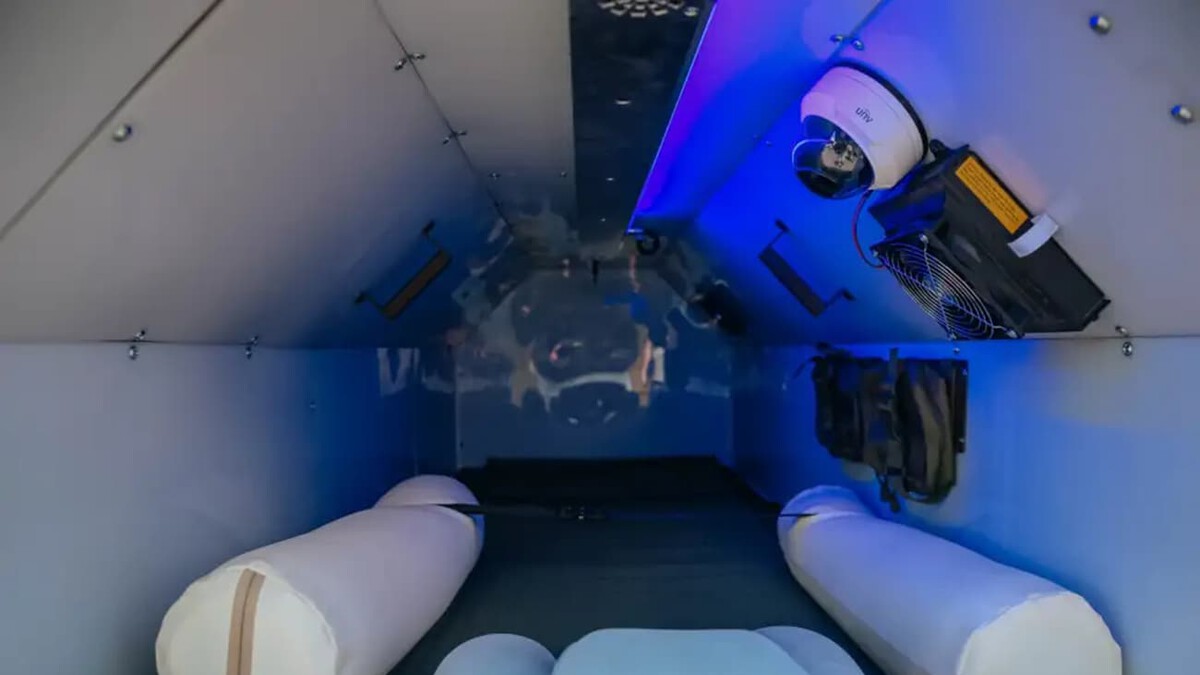
The Caseevak is a 344-kilogram armored capsule built from 3.5mm thick Armox 500T steel, with an inner lining of high-density polyethylene (HDPE 1000) to absorb shocks and vibrations. It includes ventilation, floor heating, lighting, a first-aid kit, and side and rear doors for flexible patient entry.
Find Original Home Decor sparking conversation at Grand Goldman Shop.

Day and night cameras and an intercom keep medics in contact with the occupant. When mounted on its robotic platform, the total system weighs 1,031 kilograms. Developers are also working on sensors to transmit vital signs to medics during transit—a feature still in development.
The Murakha Robot: 80 km of Range Through the Death Zone
The capsule rides on the Murakha, a tracked robot powered by two electric motors. It offers an 80-kilometer range, enough to traverse areas where conventional vehicles would be targeted. This unmanned platform reduces the risk of losing medics and additional soldiers during evacuation.
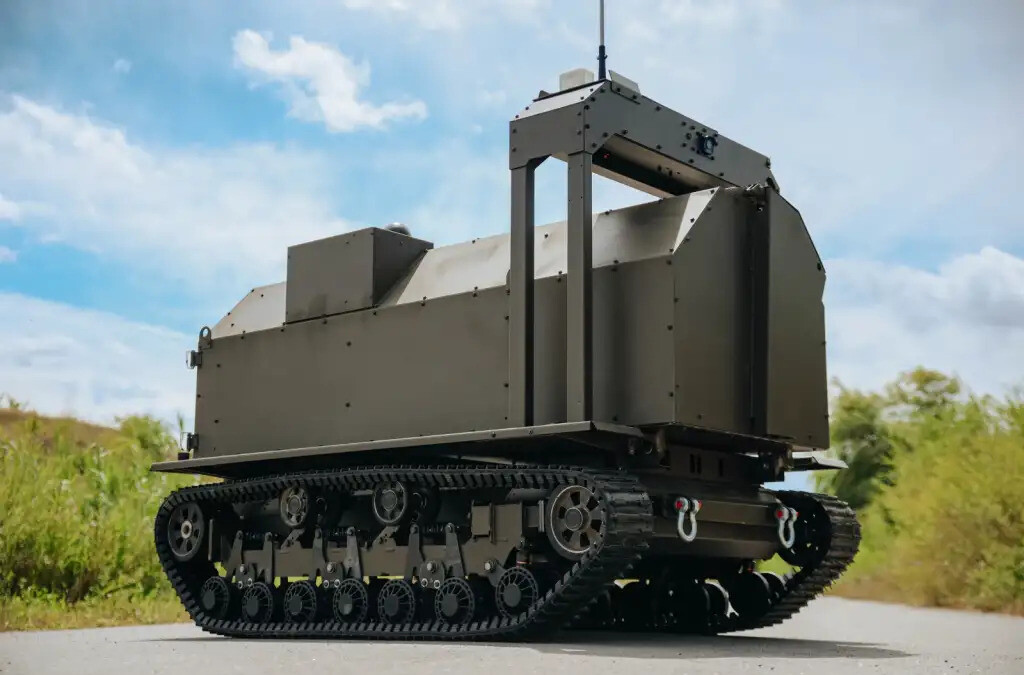
By removing human drivers from the equation, the system addresses a grim reality: in drone-dominated warfare, any moving vehicle can become a target within minutes. The Murakha's electric drive also makes it quieter and less heat-signature-intensive than combustion engines.
Why This Matters: The Evolution of Combat Casualty Care
Evacuating wounded soldiers under fire has always been one of the most dangerous tasks in war. In Ukraine, where both sides deploy extensive drone surveillance and artillery, traditional medevac vehicles face extreme risks. The Caseevak offers a hardened, remotely operated alternative.
This isn't just about protecting the wounded—it's about preserving the morale of frontline troops who know that help can reach them even in the most exposed positions. The psychological impact of knowing a rescue robot is available can be as significant as the physical protection it provides. The background to this story is set out in Russia's Rapid Attacks on Ukraine Civilian Infrastructure. A related thread runs through This Man Designed A Purrfect House For His 20-Plus Rescue Cats. Earlier coverage in Ukraine appoints new top commander Mykhailo Drapatyi shows how the argument developed.
- Armored protection: 3.5mm Armox 500T steel and HDPE lining shield occupants from shrapnel and impacts.
- Remote operation: The Murakha robot keeps medics out of harm's way.
- Extended range: 80 km allows evacuation from deep within contested areas.
- Life-support features: Ventilation, heating, lighting, and intercom support the patient during transit.
- Future upgrades: Vital-sign monitoring sensors are in development.
Specifications at a Glance
| Component | Specification |
|---|---|
| Capsule weight | 344 kg |
| Total system weight | 1,031 kg |
| Armor material | Armox 500T steel, 3.5mm thick |
| Inner lining | HDPE 1000 polyethylene |
| Range (Murakha robot) | 80 km |
| Propulsion | Two electric motors, tracked |
| Features | Ventilation, floor heating, lighting, first-aid kit, cameras, intercom |
Challenges and Limitations
While promising, the system faces practical hurdles. The capsule's weight and size may limit mobility in rough terrain, and the 80 km range—though impressive—must be weighed against mission duration and charging logistics. Additionally, the vital-sign monitoring is not yet operational. A closer look at the same subject appears in Ukraine Strikes Russian Drone Warehouses: War Update. Anyone following the wider picture can start with Russia Threatens UK Military Targets Over Missile Technology. The same theme surfaces in Starlink Restrictions in Ukraine Threaten Civilian Lives, which takes a different angle.
Cost and production scale are also unknown. Deploying enough units to make a difference across a vast front line will require significant manufacturing capacity. Nevertheless, the Caseevak represents a tangible step toward safer casualty evacuation. Context on how this played out before sits in Ukraine War: Zelenskyy Condemns Moscow Terror Strikes. A companion piece, Ukraine Drones Strike Wildberries Warehouse: Business Impact, approaches the same subject from another angle.
FAQ
What is the Caseevak capsule made of?
The Caseevak is constructed from 3.5mm thick Armox 500T steel with an inner lining of HDPE 1000 polyethylene to absorb shocks and vibrations.
How far can the Murakha robot travel?
The Murakha robot has an 80-kilometer range on its electric motors, allowing it to evacuate wounded soldiers from deep within contested areas.
Does the capsule monitor vital signs?
Sensors to transmit vital signs to medics are currently in development and not yet operational.
Why is this technology important for Ukraine?
It allows for remote evacuation of wounded soldiers in high-risk areas, reducing the danger to medics and improving survival rates.
Browse the Shop
 Acacia frida deluxe solid wood bed frame |
Bedroom bench |
Bed chest drawers |
Lingerie dresser |
Frame base |
Mirror with jewelry storage |
30 Bathroom Vanity |
Memory foam queen mattress |
Mattresses for back pain |
Nightstand set of 2 |
Grand Goldman Shop |
Civil Lawyer
Deutschland Trikot WM 2026







