

Spain's construction industry is caught in a paradox: housing prices are climbing, demand is high, yet builders aren't breaking ground fast enough. The core issue? Construction profitability in Spain remains stubbornly low, making the sector less attractive than other investments. This explains why the country isn't building more homes despite a growing residential deficit.
For years, developers have warned of a severe housing shortage. New household formation outpaces new housing supply, and square-meter prices are nearing pre-2008 crisis levels. Yet the brick-and-mortar business isn't as lucrative as it once was—or as it is in other European Union countries.
Find Original Home Decor sparking conversation at Grand Goldman Shop.

Spain's Housing Paradox: High Prices, Low Supply
At first glance, the Spanish housing market seems red-hot. Property listings disappear within days, and rental demand is fierce. But behind the scenes, construction activity lags far behind what's needed to meet demand.
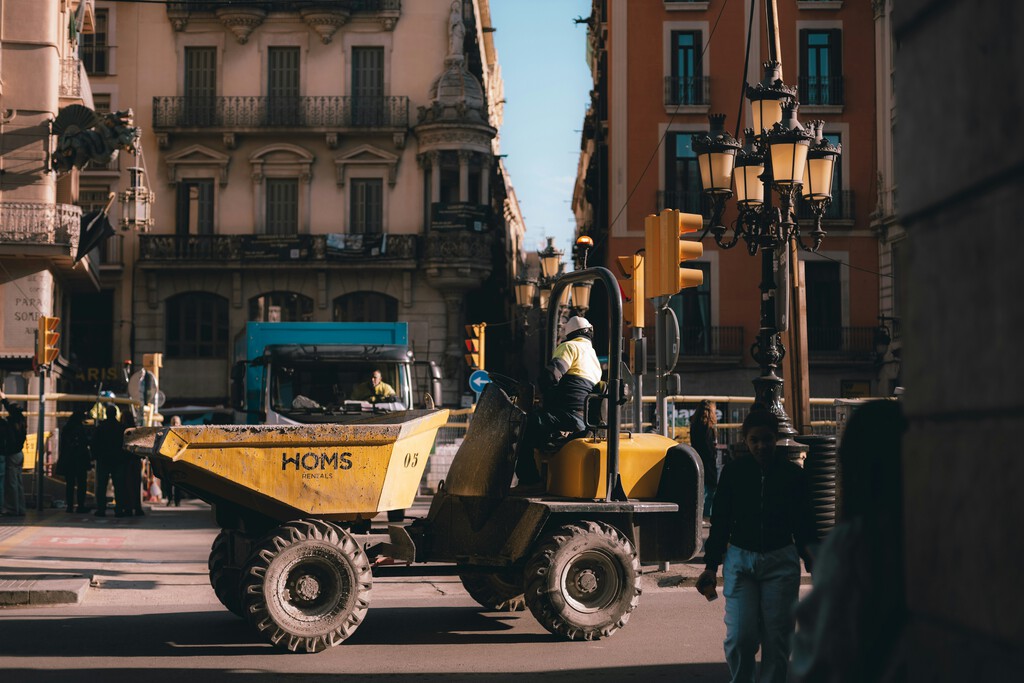
Why? Because profit margins for developers are thin. Compared to other sectors like air transport or information services, residential construction offers lower returns. This discourages investment in new projects, perpetuating the supply crunch.
Profitability: The Missing Piece in Spain's Construction Puzzle
Analysts point out that construction profitability in Spain is not only below historical levels but also lags behind neighboring EU countries. Even as residential prices rise, the overall business case for building remains weak.
This profitability gap stems from a mix of factors: rising land costs, regulatory hurdles, labor shortages, and expensive materials. Together, they squeeze margins and deter developers from launching new projects.
Key Factors Behind Low Construction Profitability
- Land costs: Scarce developable land drives up prices, especially in urban areas.
- Regulatory complexity: Permitting processes are slow and unpredictable, adding time and cost.
- Labor shortages: A lack of skilled construction workers pushes wages higher.
- Material price volatility: Global supply chain issues inflate costs.
- Financing constraints: Post-crisis lending rules make it harder to secure funding for projects.
These challenges combine to make residential construction a less appealing investment compared to other industries. Without attractive returns, developers hesitate to commit to large-scale projects.
How Spain Compares to Other EU Countries
Spain's construction profitability isn't just low by its own historical standards—it's also below that of many EU peers. This puts the country at a disadvantage in attracting investment for housing development.
The table below compares key indicators across selected EU countries, highlighting Spain's position.
| Country | Construction Profitability (Index) | Housing Supply Growth | Price-to-Income Ratio |
|---|---|---|---|
| Spain | Low | Slow | High |
| Germany | Moderate | Moderate | Moderate |
| France | Moderate | Moderate | High |
| Netherlands | High | Fast | High |
As the table suggests, Spain lags in both profitability and supply growth, despite high price-to-income ratios. This mismatch underscores the structural issues in the Spanish construction sector.
What This Means for Homebuyers and Renters
For consumers, the consequences are clear: limited supply keeps prices and rents elevated. Young people and low-income households struggle to find affordable housing, exacerbating social tensions.
Moreover, the shortage of new construction could slow economic growth, as housing is a key sector. Without addressing profitability, Spain risks prolonging its housing crisis. The background to this story is set out in Spain Housing Market 2026: Sales Fall but Prices Keep Rising. A related thread runs through Spain's Broken Housing Market Makes Used Homes a New Luxury. Earlier coverage in Children's Care Homes Rely on Committed People, Not Profit shows how the argument developed.
What to Watch Next
Policymakers face pressure to incentivize construction. Potential solutions include streamlining regulations, offering tax breaks, and investing in training for construction workers. However, these measures take time to implement and may not yield immediate results. A closer look at the same subject appears in UK Workers Struggle in Extreme Heat: Builders, Bakers at Risk. Anyone following the wider picture can start with Cowboy Traders Clampdown: Can New Rules Stop Builders From Hell. The same theme surfaces in Iraq Caught Between Iran and US Amid Oil Attacks, which takes a different angle.
Investors and developers will be watching for signals of improved profitability. If margins remain thin, construction activity is unlikely to pick up, and the housing deficit will persist. Context on how this played out before sits in Escape Wizard Arrested in Spain: Notorious Prison Breaker Caught. A companion piece, Trending: latest articles, approaches the same subject from another angle.
FAQ
Why is Spain not building more homes?
Because construction profitability is low compared to other sectors and EU peers. Developers face high costs and regulatory hurdles, which discourage new projects despite rising prices.
How does construction profitability in Spain compare to other EU countries?
Spain's construction profitability is generally lower than that of many EU countries, such as the Netherlands and Germany. This makes it less attractive for investment.
What are the main factors affecting construction profitability in Spain?
Key factors include high land costs, complex regulations, labor shortages, volatile material prices, and financing constraints. These squeeze margins and deter development.
What can be done to improve the situation?
Possible solutions include regulatory reform, tax incentives, and workforce development. However, these require time and coordinated effort from policymakers and industry stakeholders.
Browse the Shop
 Acacia frida deluxe solid wood bed frame |
Bedroom bench |
Bed chest drawers |
Lingerie dresser |
Frame base |
Mirror with jewelry storage |
30 Bathroom Vanity |
Memory foam queen mattress |
Mattresses for back pain |
Nightstand set of 2 |
Grand Goldman Shop |
Civil Lawyer
Deutschland Trikot WM 2026







