

Women are abandoning Tinder and Bumble in growing numbers, and the dating landscape is shifting toward unexpected platforms like Letterboxd, Discord, and Strava. The swipe-right era that defined online dating for a decade is showing clear signs of exhaustion, with users fleeing dating apps due to fatigue, ghosting, and the industrialization of romance.
These connections aren't disappearing—they're migrating. Gen Z and many women tired of dating app dynamics are finding relationships in niche communities built around shared interests rather than profile pictures. The trend signals a fundamental change in how people meet and connect online.
Find Original Home Decor sparking conversation at Grand Goldman Shop.

Why Women Are Leaving Tinder and Bumble
The numbers tell a stark story. Bumble's CEO Whitney Wolfe Herd announced in May that the company would eliminate its historic swipe feature, a move that reflects the app's precarious position. During the first quarter of the year, Bumble lost approximately 21% of its paying users, dropping from about 4 million to 3.2 million, while revenues suffered.

This isn't isolated to one app. The entire dating app sector is scrambling for new formulas as users feel tedium at the mere sight of the app icon on their phones. According to Forbes Health, 78% of users report dating app fatigue, a statistic that underscores the depth of the problem.
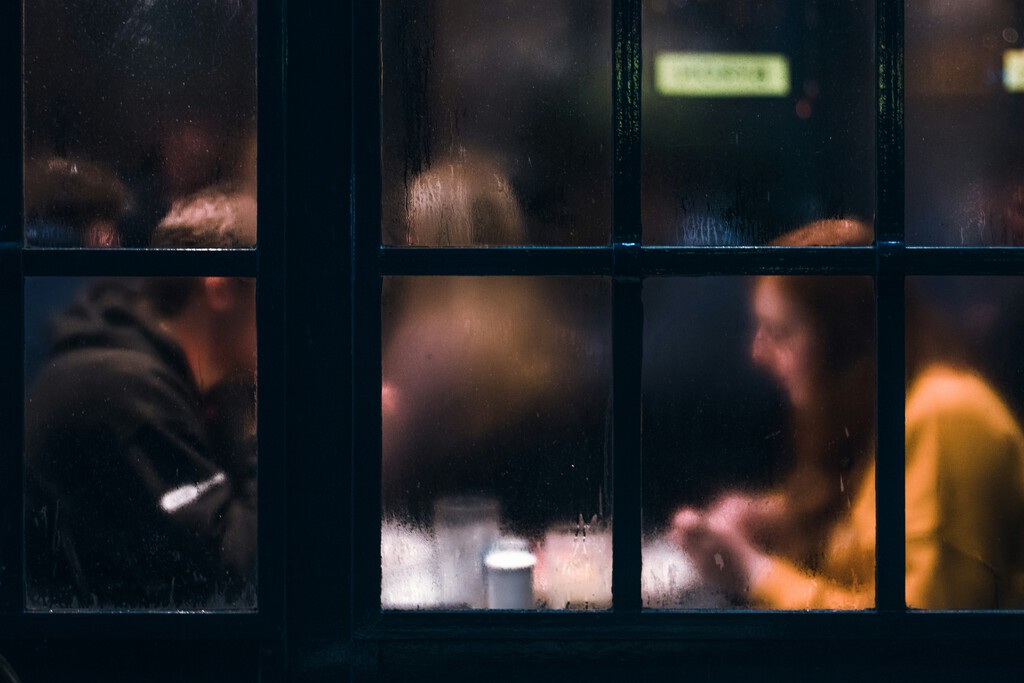
The reasons are multifaceted: the relentless cycle of swiping, the emotional toll of ghosting, and the sense that genuine connection has been replaced by a gamified marketplace. Women, in particular, report feeling unsafe, harassed, or simply exhausted by the dynamics these platforms encourage.
Letterboxd: The Unlikely Dating Frontier
Letterboxd, a social platform for film lovers to log and review movies, has emerged as a surprising venue for romance. Users are sliding into each other's DMs after bonding over a shared love of cinema, turning film reviews into flirtatious exchanges. The platform's focus on taste and cultural consumption creates a natural filter that dating apps lack.
Instead of judging someone by a handful of curated photos, Letterboxd users reveal their personality through movie choices and witty reviews. A well-crafted review of a cult classic can be more revealing than any dating profile bio. This organic approach to connection feels less transactional and more authentic to many women.
Similar shifts are happening on Discord, where niche communities foster deep conversations, and Strava, a fitness tracking app where shared workouts lead to shared lives. These platforms weren't designed for dating, but their community-driven nature makes them fertile ground for relationships.
The Dating App Fatigue Phenomenon
The term dating app fatigue has entered the mainstream lexicon for good reason. It describes the cumulative exhaustion from endless swiping, superficial interactions, and the pressure to perform desirability. Women are disproportionately affected, often facing harassment and safety concerns that apps have struggled to address.
Bumble's decision to remove its signature swipe feature is a tacit admission that the model is broken. The company is pivoting toward more meaningful interactions, but the damage may already be done. Users who have already migrated to interest-based platforms are unlikely to return.
The shift also reflects a broader cultural reset. After a decade of optimizing for matches and messages, people are craving serendipity and substance. They want to meet someone in a context where they already share something real—a favorite film, a fitness goal, or a gaming community—rather than starting from scratch with a stranger.
What This Means for the Future of Dating
The exodus from traditional dating apps signals a coming transformation. Platforms that prioritize community and shared interests over algorithmic matching are poised to capture this displaced audience. Letterboxd, Discord, and Strava may not have intended to become dating hubs, but they are filling a void that Tinder and Bumble can no longer address. The background to this story is set out in AI Dating Apps: Can Artificial Intelligence Solve Online. A related thread runs through Best 17 Dating Apps to Find Love or Make Real Connections. Earlier coverage in Dating App Scams Cost Americans $1.3 Billion Annually shows how the argument developed.
For women, this shift offers a sense of control and safety. Engaging in a film discussion or a running challenge allows for gradual intimacy and context, reducing the pressure and risk of meeting strangers. It's dating on their terms, not the app's. A closer look at the same subject appears in Can AI Solve Online Dating's Problems? Bumble's Pivot Explained. Anyone following the wider picture can start with Tinder Subscription Pricing Breakdown: Plus, Gold and Platinum. The same theme surfaces in Guy Makes A Tinder For His Dog And People Just Can’t Swipe Left, which takes a different angle.
Dating apps will need to innovate beyond gimmicks and redesigns. They must address the core issues of fatigue, authenticity, and safety if they hope to retain users. Otherwise, they risk becoming digital ghost towns while romance flourishes elsewhere. Context on how this played out before sits in Match Review: Sly Satirical Catfishing Horror for Dating App Age. A companion piece, Rivet Dating App: Where Strangers Pick Your Perfect Match, approaches the same subject from another angle.
Key Takeaways
- Bumble lost 21% of paying users in Q1, prompting the removal of its signature swipe feature.
- 78% of dating app users report fatigue, according to Forbes Health.
- Women are migrating to interest-based platforms like Letterboxd, Discord, and Strava for more authentic connections.
- The shift reflects a desire for community and shared interests over algorithmic matching.
- Dating apps must innovate to address safety, authenticity, and user exhaustion.
Comparing Dating Platforms
| Platform | Primary Focus | Dating Potential | User Base Trend |
|---|---|---|---|
| Tinder | Swipe-based matching | High volume, low authenticity | Declining |
| Bumble | Women-first messaging | Moderate, but fatigued | Lost 21% paying users |
| Letterboxd | Film reviews and lists | Emerging, organic | Growing |
| Discord | Community servers | Niche, conversation-driven | Stable/growing |
| Strava | Fitness tracking | Active lifestyle matching | Growing |
FAQ
Why are women leaving Tinder and Bumble?
Women are leaving due to dating app fatigue, which includes exhaustion from swiping, ghosting, harassment, and superficial interactions. Many feel that these platforms prioritize gamification over genuine connection, leading them to seek alternatives.
How does Letterboxd work as a dating platform?
Letterboxd allows users to log and review films, creating a space for organic conversations. Users bond over shared cinematic tastes and often transition to direct messages, leading to relationships. It's less about swiping and more about shared interests.
What is dating app fatigue?
Dating app fatigue refers to the physical and emotional exhaustion from using dating apps. Symptoms include frustration, decreased satisfaction, and a sense of tedium. According to Forbes Health, 78% of users experience this, driving them to alternative platforms.
Are dating apps dying?
While not dying entirely, traditional dating apps are facing a significant decline in user engagement and paying subscribers. Bumble's 21% drop in paying users and the removal of its swipe feature indicate a need for reinvention to stay relevant.
Browse the Shop
 Acacia frida deluxe solid wood bed frame |
Bedroom bench |
Bed chest drawers |
Lingerie dresser |
Frame base |
Mirror with jewelry storage |
30 Bathroom Vanity |
Memory foam queen mattress |
Mattresses for back pain |
Nightstand set of 2 |
Grand Goldman Shop |
Civil Lawyer
Deutschland Trikot WM 2026







