

China's Xiong'an New Area, a futuristic city designed to relieve Beijing's congestion, remains largely empty nearly a decade after construction began. The project, launched in April 2017 by President Xi Jinping as a "project of historic importance for the millennium," integrates three rural counties in Hebei province into a single administrative zone. Despite state-of-the-art infrastructure, including a high-speed rail station built for millions, the city's occupancy rate is well below expectations.
Why Xiong'an Was Built
Xiong'an emerged to solve a pressing problem: Beijing's unchecked growth. The capital exceeds 23 million residents, and its expansion has been disorderly for years. By consolidating Xiongxian, Anxin, and Rongcheng counties, the government aims to accelerate growth in the region and the neighboring port of Tianjin.
Find Original Home Decor sparking conversation at Grand Goldman Shop.

The planned area spans 1,770 square kilometers, starting with an initial 100 square kilometers. Completion is targeted for 2049, coinciding with the centenary of the People's Republic of China. This timeline underscores the project's long-term ambition and the patience required to realize it.
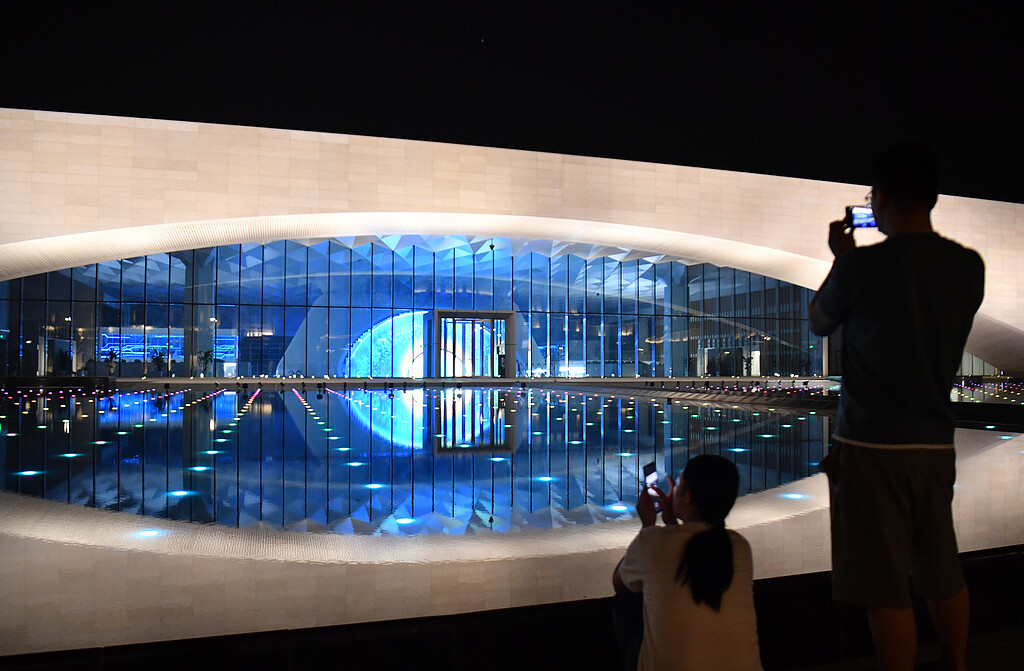
A Truly Technological City
Xiong'an is built as a smart city from the ground up. With over 3,500 5G stations ensuring extensive coverage, the city boasts cutting-edge digital infrastructure. Beyond connectivity, the urban design incorporates sustainable features such as green spaces, autonomous transport, and advanced waste management systems.
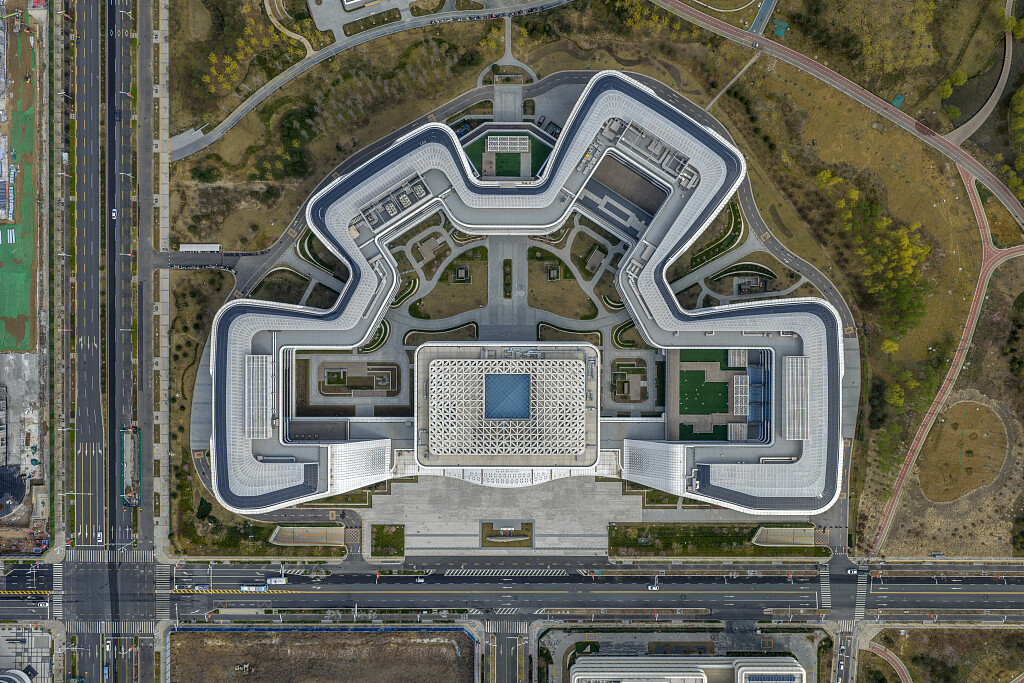
The city's layout prioritizes walkability and public transit, aiming to reduce reliance on cars. However, these technological marvels contrast sharply with the sparse population, raising questions about the viability of such ambitious urban planning.
The Occupancy Challenge
Despite the infrastructure, Xiong'an struggles to attract residents. The high-speed rail station, designed for millions, sees limited foot traffic. Several factors contribute to this slow uptake: the lack of established communities, limited job opportunities, and the reluctance of Beijing residents to relocate.
Moreover, the COVID-19 pandemic and China's economic slowdown have further delayed occupancy. The government has offered incentives, including subsidized housing and tax breaks, but uptake remains sluggish. This situation highlights the difficulty of engineering a city from scratch, even with substantial state support.
What Has Been Achieved
Not all is bleak. Xiong'an has made significant strides in infrastructure. The high-speed rail link to Beijing, opened in 2020, reduces travel time to under an hour. The city also hosts a growing number of tech firms and research institutions, drawn by generous incentives. Context on how this played out before sits in China's Xiong'an: The Future City Still Waiting for Residents.
Additionally, the environmental remediation of Baiyangdian Lake, a key ecological feature, has progressed. The lake, once polluted, is being restored to serve as a green lung for the region. These achievements demonstrate that the project is not merely a pipe dream but a work in progress. The background to this story is set out in Manchester City Charges: Alternate Histories and Football's Future. A related thread runs through Maresca Future at Manchester City Hangs on Appeal Outcome.
What to Watch Next
Several indicators will reveal whether Xiong'an can overcome its occupancy hurdle. The relocation of state-owned enterprises and universities from Beijing will be crucial. If major institutions move, they could bring employees and their families, creating a critical mass. Earlier coverage in Manchester City's Doomsday Future: A Look at Non-League Football shows how the argument developed. A closer look at the same subject appears in Smart Cities vs. Wood Stoves: The Future of Sustainable Living.
Furthermore, the success of pilot policies, such as flexible land use and housing reforms, will be watched closely. These experiments could inform urban development across China. Finally, the city's ability to foster a vibrant community—beyond concrete and code—will determine its long-term viability. Anyone following the wider picture can start with Trending: latest articles. The same theme surfaces in Amazon Echo Refresh: Local AI, eero Router and a Bedside Alarm Clock, which takes a different angle.
Key Takeaways
- Xiong'an New Area was launched in 2017 to decongest Beijing and drive regional growth.
- The city features advanced 5G infrastructure and smart-city technologies.
- Despite massive investment, occupancy remains far below targets.
- Incentives and institutional relocations are underway to attract residents.
- Completion is slated for 2049, aligning with China's centenary.
Comparison of Xiong'an's Planned vs. Current Status
| Aspect | Planned | Current Status |
|---|---|---|
| Population | Millions | Well below target |
| Area | 1,770 sq km | Initial 100 sq km developed |
| 5G Stations | 3,500+ | Completed |
| High-Speed Rail | Direct link to Beijing | Operational since 2020 |
| Completion Date | 2049 | Ongoing |
FAQ
What is Xiong'an New Area?
Xiong'an New Area is a state-level new area in Hebei province, China, established in 2017 to relieve Beijing of non-capital functions and promote regional development. It encompasses three counties and is planned as a smart, sustainable city.
Why is Xiong'an not yet populated?
Xiong'an faces challenges in attracting residents due to its lack of established communities, limited job opportunities, and the reluctance of Beijing residents to relocate. The COVID-19 pandemic and economic slowdown have also slowed progress.
What technological features does Xiong'an have?
Xiong'an boasts over 3,500 5G stations, autonomous transport systems, and advanced waste management. The city is designed for walkability and public transit, with extensive green spaces and digital infrastructure.
When will Xiong'an be completed?
The project is scheduled for completion by 2049, coinciding with the centenary of the People's Republic of China. Development is ongoing, with initial phases already operational.
Browse the Shop
 Acacia frida deluxe solid wood bed frame |
Bedroom bench |
Bed chest drawers |
Lingerie dresser |
Frame base |
Mirror with jewelry storage |
30 Bathroom Vanity |
Memory foam queen mattress |
Mattresses for back pain |
Nightstand set of 2 |
Grand Goldman Shop |
Civil Lawyer
Deutschland Trikot WM 2026







