

The Pan Am crash wreckage from 1952 has been discovered off Puerto Rico, ending a 74-year mystery. The find brings fresh attention to a tragedy that helped reshape how airlines train passengers and crews for emergencies.
The aircraft, a Douglas DC-4 named Clipper Endeavor, was flying from San Juan to New York when it went down on April 11, 1952. Its resting place remained unknown until June 2, 2026, when a search team located two large sections of the plane about 600 meters underwater.
Find Original Home Decor sparking conversation at Grand Goldman Shop.

Discovery of the Pan Am Crash Wreckage
The search was a collaboration between the Air/Sea Heritage Foundation, Deep Sea Vision, and the television program Expedition Unknown. An autonomous underwater vehicle equipped with sonar detected the debris field, and subsequent photographic inspection confirmed the identity through visible fuselage features, including Pan Am's iconic winged emblem.
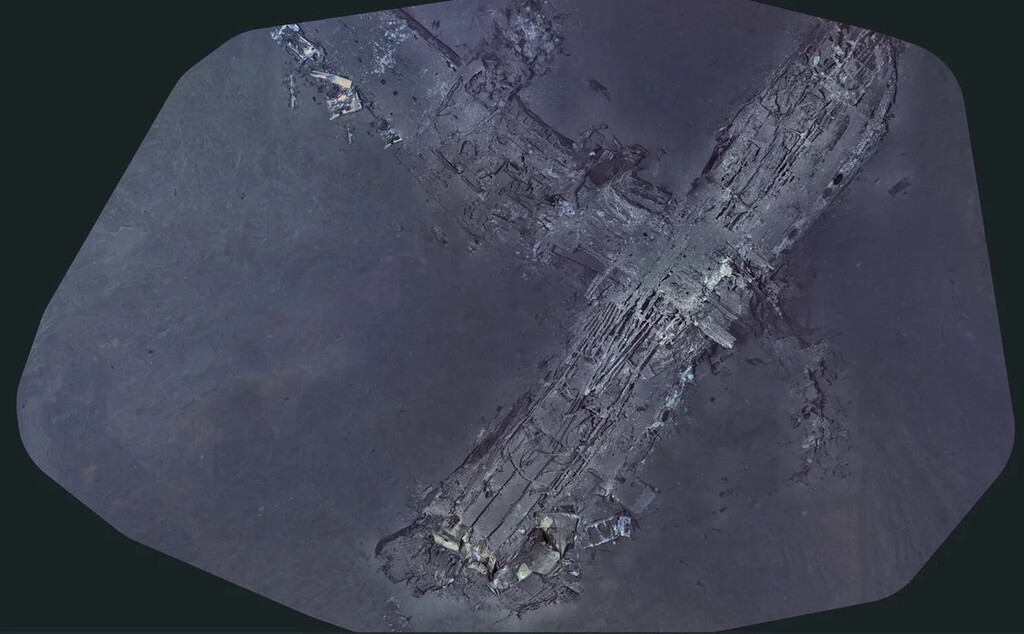
This discovery not only solves a historical puzzle but also offers a tangible link to an era when commercial aviation was rapidly expanding and safety regulations were still evolving.
What Happened to Clipper Endeavor?
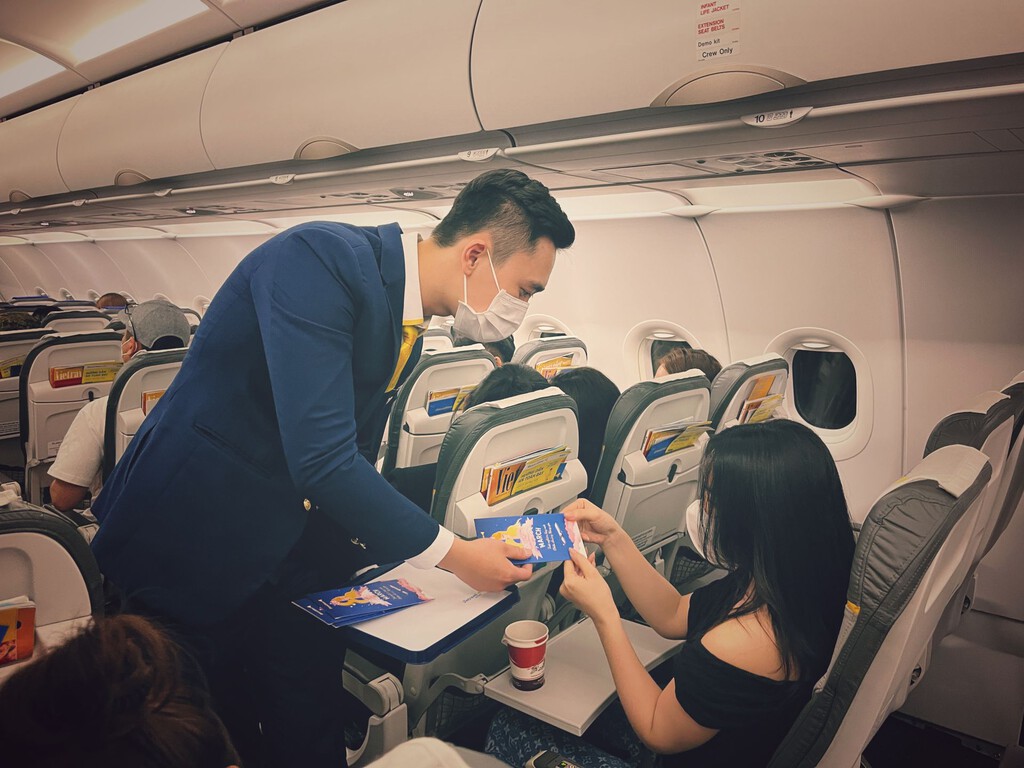
On that fateful day, the DC-4 took off from San Juan at 12:11 p.m. with 64 passengers and crew on board. The flight encountered trouble shortly after departure, leading to a water landing attempt. While the exact cause remains a subject of historical analysis, the incident highlighted critical gaps in emergency preparedness.
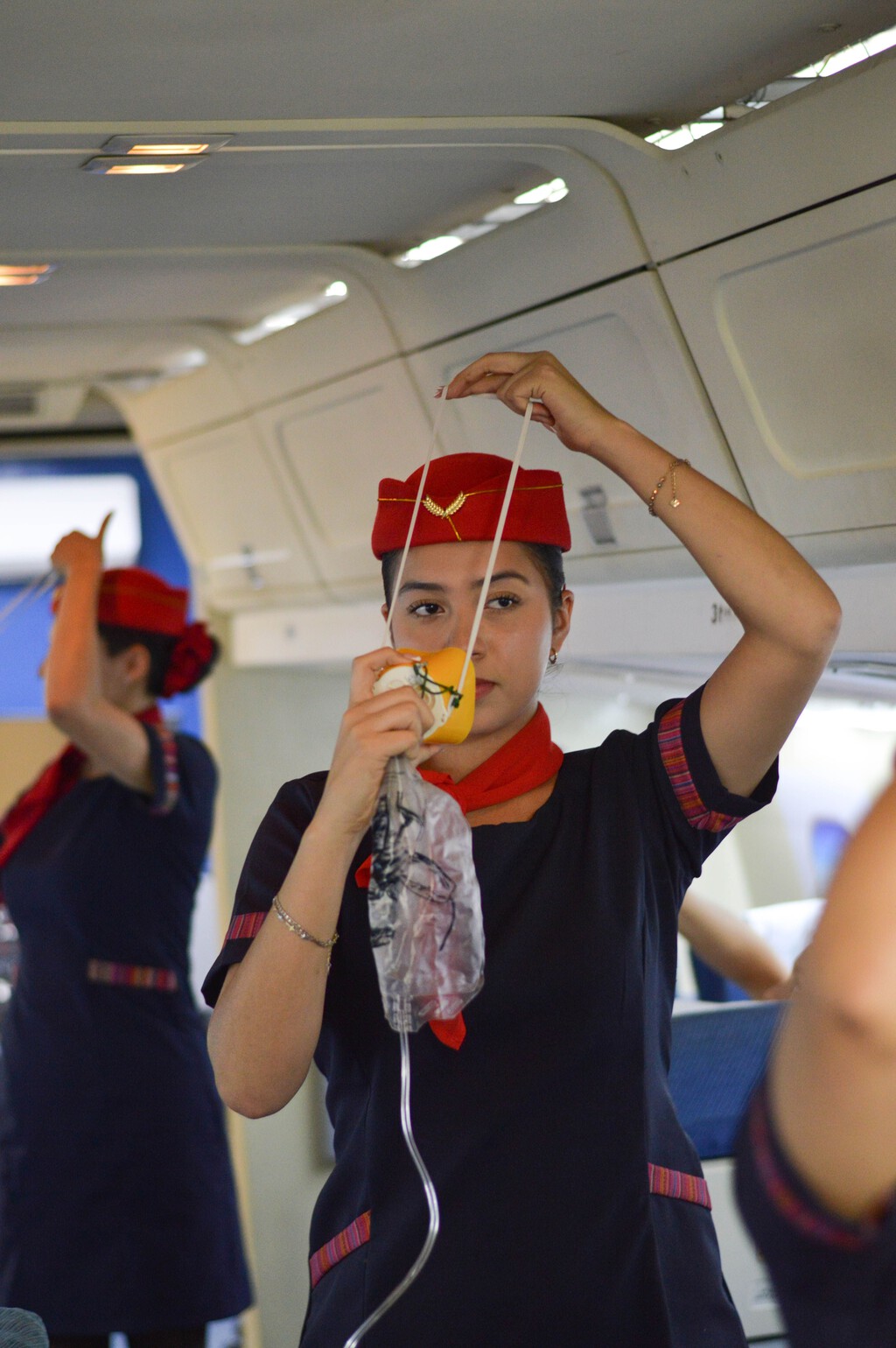
The survival of many aboard depended on quick thinking and the available safety equipment, but the event exposed shortcomings that would later inform new procedures.
How the 1952 Crash Influenced Aviation Safety
The Pan Am crash was one of several accidents that prompted the aviation industry to re-evaluate passenger safety briefings, crew training, and aircraft design. In the years following, regulators and airlines introduced more rigorous standards for emergency evacuations and life-saving equipment.
Today, when you board a flight and watch a safety demonstration, you are experiencing the legacy of incidents like this one. The Pan Am crash wreckage serves as a physical reminder of how far safety has come.
- Enhanced training: Crews now undergo regular emergency drills, improving response times.
- Better equipment: Life vests, slides, and lighting have become more reliable and accessible.
- Passenger awareness: Safety briefings are standardized and mandatory before every takeoff.
- Regulatory oversight: Agencies like the FAA enforce strict safety protocols based on historical data.
- Technological advances: Sonar and underwater vehicles aid in locating wreckage, helping investigators learn from the past.
Comparing Safety Then and Now
The contrast between 1952 and today is stark. The table below outlines key differences in aviation safety practices.
| Aspect | 1952 | 2026 |
|---|---|---|
| Passenger safety briefing | Minimal or informal | Mandatory, standardized video and demonstration |
| Life vests | Basic models, not always readily accessible | Compact, under-seat, with illuminated instructions |
| Emergency exits | Fewer, less clearly marked | Clearly marked with illuminated signs and floor path lighting |
| Crew training | Limited emergency drills | Annual recurrent training with simulated scenarios |
| Underwater locator beacons | Not required | Mandatory on flight recorders for faster recovery |
Why This Discovery Matters Today
Finding the Pan Am crash wreckage is more than an archaeological feat. It provides closure for families of victims and offers researchers a chance to study the physical evidence. Moreover, it reinforces the importance of continuous improvement in safety protocols.
The story of Clipper Endeavor is a chapter in the broader narrative of aviation safety. As we look back, we can appreciate the sacrifices that led to today's robust safety culture.
Lessons for Modern Travelers
While flying is now statistically safer than ever, the lessons from 1952 remain relevant. Passengers should still pay attention to safety demonstrations and familiarize themselves with emergency procedures.
Understanding the history behind these routines can deepen appreciation for the systems in place. The next time you fasten your seatbelt or check the location of your nearest exit, remember the events that made those actions second nature. The same theme surfaces in Pan Am Crash Wreckage Found: 1952 Air Safety Legacy, which takes a different angle.
For a deeper dive into the 1952 Pan Am crash and its air safety legacy, see this detailed account: 1952 Pan Am Plane Crash Wreckage Found: Air Safety Legacy. It explores the investigation and the regulatory changes that followed. The background to this story is set out in Amelia Earhart Expedition Targets Plane Wreckage in Pacific. A related thread runs through Trending: latest articles.
Another perspective on how the accident transformed safety protocols is available here: 1952 Pan Am Crash Wreckage Found: How It Changed Air Safety. This article examines the specific measures introduced after the crash. Earlier coverage in 275 Flight Puns and Jokes About Air That Will Make You Laugh shows how the argument developed. A closer look at the same subject appears in Private Jet Boom: Record Charter Flights as Ownership Declines.
And for a comprehensive overview of the discovery and its implications, don't miss: 1952 Pan Am Plane Crash Wreckage Found: How It Changed Air Safety. It connects the past to present-day practices. Anyone following the wider picture can start with How the US Tricked the USSR to Build the SR-71 Blackbird.
FAQ
What was the Pan Am flight that crashed in 1952?
The flight was Pan Am Flight 526A, operated by a Douglas DC-4 named Clipper Endeavor. It crashed on April 11, 1952, shortly after taking off from San Juan, Puerto Rico.
How was the wreckage found after 74 years?
An autonomous underwater vehicle using sonar detected two large sections of the plane about 600 meters deep. A team including the Air/Sea Heritage Foundation and Deep Sea Vision confirmed the identity through photographic inspection.
How did the 1952 Pan Am crash change aviation safety?
The crash highlighted the need for better emergency preparedness, leading to improved passenger safety briefings, enhanced crew training, and more stringent equipment standards. It contributed to the evolution of modern safety protocols.
Why is the discovery of the wreckage significant?
It provides closure for families, offers material for historical research, and serves as a reminder of the importance of continuous safety improvements in aviation.
Browse the Shop
 Acacia frida deluxe solid wood bed frame |
Bedroom bench |
Bed chest drawers |
Lingerie dresser |
Frame base |
Mirror with jewelry storage |
30 Bathroom Vanity |
Memory foam queen mattress |
Mattresses for back pain |
Nightstand set of 2 |
Grand Goldman Shop |
Civil Lawyer
Deutschland Trikot WM 2026







