

In La Rioja, Spain, an intense heat wave has forced farmers and shepherds to radically shift their work hours, starting as early as 5 AM to avoid the scorching daytime temperatures. This adaptation is a direct response to consecutive days of 36 and 37 degrees Celsius (97-99°F), about nine degrees above historical averages for the region.
Miguel Ángel, a livestock farmer in Galilea, no longer relies on the clock to end his day; he watches his sheep. When the flock begins seeking shade on its own, he knows the heat has won. He now heads out before dawn and stops when the sun becomes unbearable, then resumes in the evening until sunset.
Find Original Home Decor sparking conversation at Grand Goldman Shop.

Shepherds Adapt to Scorching Conditions
For Miguel Ángel, the new routine is a matter of survival for his animals. "I get up at five to take the sheep out until they can't handle the heat anymore," he says. The sheep's behavior dictates the schedule: once they start hunting for shade, it's time to return.
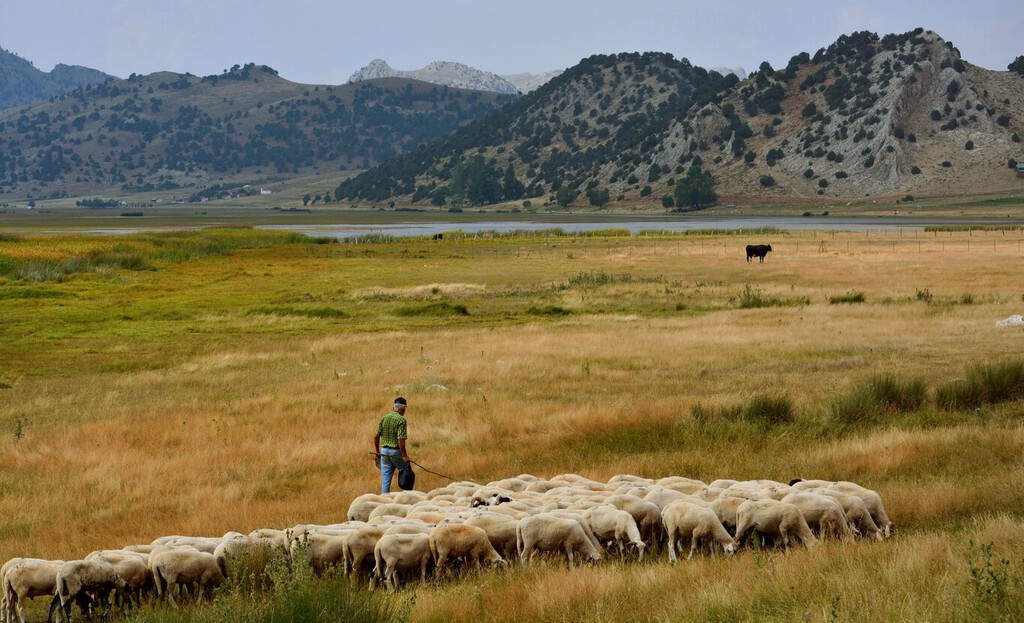
This shift isn't unique to Galilea. Across La Rioja, livestock farmers are adjusting their days to protect both themselves and their herds from heat stress, which can lead to reduced milk production, weight loss, and even death in extreme cases.
Vintners and Crop Farmers Also Shift Schedules
In San Asensio, winemaker Santiago Sodupe enters his vineyards at 5 AM, carrying four or five liters of water to stay hydrated before the heat makes work impossible. By midday, he retreats indoors, returning in the evening when temperatures drop.
In Ausejo, Jesús Fernández Ocón stops harvesting barley at 1 PM, despite the crop needing heat and dryness to mature properly. The intense May heat had already damaged pea flowering before summer even began, reducing yields and forcing farmers to rethink their planting and harvesting calendars.
The Physiological Impact of Extreme Heat
The human body struggles to function in such extreme heat. Physical labor becomes dangerous, leading to heat exhaustion, dehydration, and heatstroke. For farmers, whose work is inherently outdoors, the only viable solution is to avoid the hottest parts of the day.
This physiological reality is compounded by economic pressures: crops and livestock still need care, but the window for safe work has shrunk dramatically. The result is a fragmented workday, split into early morning and late evening shifts.
Climate Change and the Future of Farming
La Rioja's heat wave is part of a broader pattern of climate change affecting Southern Europe. As temperatures rise, traditional farming practices become untenable, and farmers must innovate or face losses. Context on how this played out before sits in Heat Wave Forces La Rioja Farmers to Start Work at 5 AM.
Adaptation strategies include shifting planting dates, selecting heat-resistant crop varieties, and investing in shade structures or cooling systems for livestock. However, these measures require capital and knowledge, which not all farmers possess. The background to this story is set out in Trending: latest articles. A related thread runs through Andalusia's Drying Rivers Expose Overtourism and Water Crisis.
What This Means for Consumers and the Region
Consumers may see higher prices for wine, meat, and produce as farmers grapple with lower yields and higher costs. The region's identity, closely tied to its agricultural heritage, is also at stake. Earlier coverage in Renault's Île Seguin Factory: The Island That Became a Car Plant shows how the argument developed. A closer look at the same subject appears in Samsung Galaxy S26 Outlet Price, Kindle Colorsoft Deal and Retro Consoles.
For now, farmers like Miguel Ángel continue their dawn patrols, hoping for relief. But as heat waves become more frequent and intense, the future of farming in La Rioja—and beyond—hangs in the balance. Anyone following the wider picture can start with Valencia's Record-Breaking Tropical Night: 37°C at Midnight. The same theme surfaces in Europe's Drought Crisis: Why Northern Countries Now Want More Reservoirs, which takes a different angle.
Key Takeaways
- La Rioja's heat wave has pushed temperatures to 36-37°C, about 9°C above historical averages.
- Shepherds and farmers now start work at 5 AM and stop when heat becomes unbearable.
- Vintners carry extra water and split their workday to avoid midday heat.
- Crops like barley and peas are also affected, with heat damaging flowering and yields.
- Physiological limits and climate change are forcing permanent shifts in agricultural practices.
Comparison of Work Schedules
| Worker | Location | Old Schedule | New Schedule | Reason |
|---|---|---|---|---|
| Miguel Ángel (shepherd) | Galilea | Sunrise to sunset | 5 AM until sheep seek shade; evening until sunset | Sheep heat stress |
| Santiago Sodupe (vintner) | San Asensio | Full day in vineyard | 5 AM to midday; evening | Extreme heat, hydration needs |
| Jesús Fernández Ocón (barley farmer) | Ausejo | Harvest until finished | Stops at 1 PM | Heat exhaustion risk |
FAQ
Why are farmers in La Rioja starting work at 5 AM?
Farmers start at 5 AM to avoid the extreme heat that reaches 36-37°C by midday, which poses health risks and reduces productivity. By working early and late, they can care for their crops and animals while minimizing heat exposure.
How does the heat wave affect livestock?
Livestock such as sheep suffer from heat stress, which can lead to reduced feeding, weight loss, and lower milk production. Shepherds like Miguel Ángel monitor their animals' behavior, returning to the farm when the sheep seek shade on their own.
What crops are impacted by the heat wave?
Barley and peas are among the affected crops. While barley needs heat to mature, excessive heat can halt harvest and reduce yields. Pea flowering was damaged by May heat, leading to lower production.
Is this a temporary or permanent change?
While the current schedule shift is a response to the immediate heat wave, climate change projections suggest that such extreme heat will become more frequent. Farmers may need to permanently adapt their practices, including shifting planting times and investing in heat-resistant varieties.
Browse the Shop
 Acacia frida deluxe solid wood bed frame |
Bedroom bench |
Bed chest drawers |
Lingerie dresser |
Frame base |
Mirror with jewelry storage |
30 Bathroom Vanity |
Memory foam queen mattress |
Mattresses for back pain |
Nightstand set of 2 |
Grand Goldman Shop |
Civil Lawyer
Deutschland Trikot WM 2026







