

Spain's Blue Flag beaches are a summer marketing staple, but a lesser-known report reveals that 48 beaches across the country have been awarded Black Flags for pollution and poor environmental management. The contrast between the two honors is stark, and it matters for anyone planning a coastal getaway.
Every summer, coastal towns proudly display their Blue Flags, the international distinction that identifies the most comfortable and well-managed beaches and marinas. But there's another, far less comfortable recognition: the Black Flags from Ecologistas en Acción, which pinpoint the beaches most affected by contamination or environmental mismanagement. This year, the organization has flagged 48 beaches across peninsular Spain, the archipelagos, Ceuta, and Melilla.
Find Original Home Decor sparking conversation at Grand Goldman Shop.

What Are Spain's Blue Flag Beaches and Black Flags?
The Blue Flag program, run by the Foundation for Environmental Education, awards beaches that meet strict criteria for water quality, safety, facilities, and environmental education. Spain has long been a leader, with 677 Blue Flags this year. These are the beaches you see promoted in tourism brochures and on town hall websites.
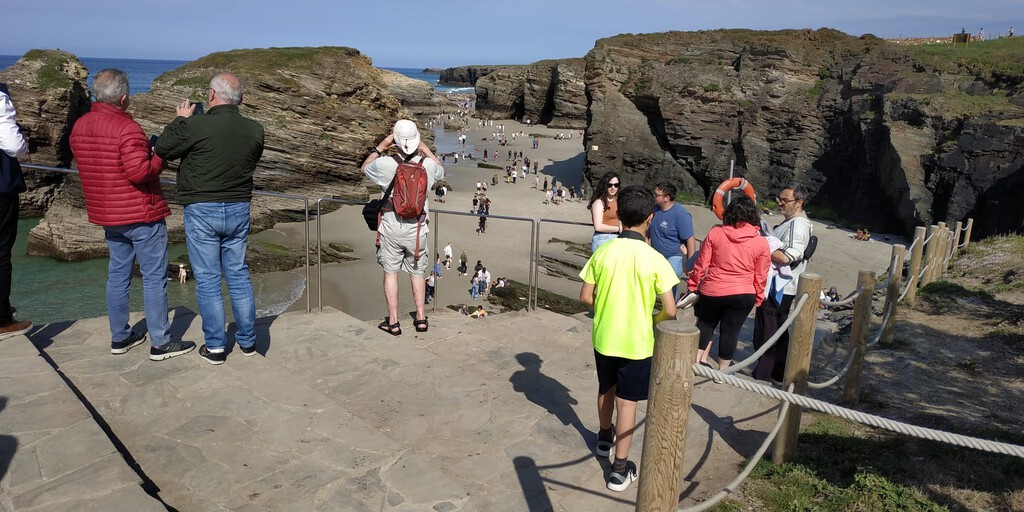
Black Flags, by contrast, are a Spanish initiative by the environmental group Ecologistas en Acción. They highlight beaches that suffer from pollution, poor waste management, or urban development that harms the coastline. The report evaluates two main aspects: pollution and the efficiency of environmental management.
Why the Discrepancy Matters
With over 3,500 registered beaches in Spain, 48 Black Flags might seem like a drop in the ocean. But as the report's authors point out, the fact that only a small fraction is flagged doesn't mean the rest are in perfect condition. The Black Flag list is a wake-up call, not a comprehensive audit.
How the Black Flag Report Works
Ecologistas en Acción releases its Black Flags report annually, just as the summer season kicks off. The organization examines factors like wastewater discharge, industrial pollution, coastal construction, and the presence of litter. It also considers whether local authorities are taking adequate steps to address these issues.
The report is not without controversy. Some coastal municipalities criticize it as overly harsh or politically motivated. However, its authors insist it's a necessary tool to hold authorities accountable and protect public health.
Key Takeaways from This Year's Report
- 48 Black Flags were awarded across Spain, including the Balearic and Canary Islands, Ceuta, and Melilla.
- 677 Blue Flags were also awarded, showing that many beaches meet high standards.
- The Black Flags highlight issues like untreated sewage, industrial spills, and overdevelopment.
- Tourists are encouraged to check both lists before choosing a beach destination.
- The report calls for stronger enforcement of environmental regulations.
Blue Flag vs. Black Flag: A Comparison
To understand the difference, here's a side-by-side look at what each distinction represents.
| Aspect | Blue Flag | Black Flag |
|---|---|---|
| Issuing Body | Foundation for Environmental Education | Ecologistas en Acción |
| Criteria | Water quality, safety, facilities, environmental education | Pollution levels, environmental management efficiency |
| Number in Spain (this year) | 677 | 48 |
| Purpose | Promote high standards and tourism | Highlight environmental problems and demand action |
| Public Perception | Positive, widely promoted | Negative, often criticized by local authorities |
What This Means for Travelers
If you're planning a beach holiday in Spain, the Black Flags list is a useful tool. It doesn't mean you should avoid all 48 beaches—some may have improved since the report—but it's worth checking before you book. The report is available on Ecologistas en Acción's website.
Moreover, the presence of a Blue Flag doesn't guarantee pristine conditions. Blue Flags are awarded annually based on compliance with criteria, but water quality can vary day to day. Travelers should also consider local reports and recent reviews.
How to Choose a Sustainable Beach Destination
Beyond the flags, look for beaches with clear environmental policies, such as waste separation bins, public transport access, and protected natural areas. Smaller, less commercial beaches often have fewer facilities but better environmental records. The longer history behind the story is traced in Cádiz Beach Ball Ban: New Rules for Kids' Games on the Sand.
Consider staying at eco-certified accommodations and supporting local conservation efforts. Many coastal towns in Spain are increasingly investing in sustainable tourism, and your choices can encourage that trend. The background to this story is set out in Light Therapy Devices: Skincare Staple or Expensive Gimmick?. A related thread runs through Assassin's Creed Black Flag Remake PS5 Bundle Deal at Fnac. Earlier coverage in Trending: latest articles shows how the argument developed.
The Bigger Picture: Environmental Management in Spain
The Black Flags report underscores a persistent challenge: balancing tourism growth with environmental protection. Spain's coastline is heavily developed, and climate change is exacerbating erosion and water scarcity. The report's authors argue that authorities often prioritize short-term economic gains over long-term sustainability. A closer look at the same subject appears in Spanish Cities Crack Down on Balcony Flags with Fines. Anyone following the wider picture can start with Gargoyle Uproar in Santiago: Why Metal Pipes Spark Heritage Revolt. The same theme surfaces in Spanish Sperm Quality by Region: Northern Spain Tops Madrid, which takes a different angle.
However, there are signs of progress. Some municipalities have invested in improved wastewater treatment and beach clean-ups. The Blue Flag program itself has evolved to include stricter environmental education criteria. Travelers can play a role by choosing responsible operators and respecting local ecosystems. Context on how this played out before sits in Birmingham Injunction Targets Anti-Migrant Flag Campaign. A companion piece, Spain's Blue Flag Beaches and 48 Black Flags: What Travelers Need to Know, approaches the same subject from another angle.
FAQ
What is a Black Flag beach in Spain?
A Black Flag is a distinction awarded by Ecologistas en Acción to beaches with significant pollution or poor environmental management. It is intended to highlight problems and pressure authorities to act.
How many Black Flags are there in Spain this year?
This year, 48 beaches received Black Flags, out of more than 3,500 registered beaches. In contrast, 677 beaches received Blue Flags.
Should I avoid swimming at a Black Flag beach?
Not necessarily, but it's wise to check the specific reason for the flag. Some issues may be temporary, while others indicate chronic pollution. Look for local health advisories and recent water quality reports.
Are Blue Flag beaches always clean?
Blue Flags indicate compliance with a range of criteria, including water quality, but conditions can change. It's always good practice to check recent reviews and local advisories.
Spain's beaches remain among the most popular in Europe, and the vast majority are safe and enjoyable. The Black Flags serve as a reminder that environmental stewardship is an ongoing effort. By staying informed and making conscious choices, travelers can contribute to the preservation of these natural treasures for future generations.
Browse the Shop
 Acacia frida deluxe solid wood bed frame |
Bedroom bench |
Bed chest drawers |
Lingerie dresser |
Frame base |
Mirror with jewelry storage |
30 Bathroom Vanity |
Memory foam queen mattress |
Mattresses for back pain |
Nightstand set of 2 |
Grand Goldman Shop |
Civil Lawyer
Deutschland Trikot WM 2026







