

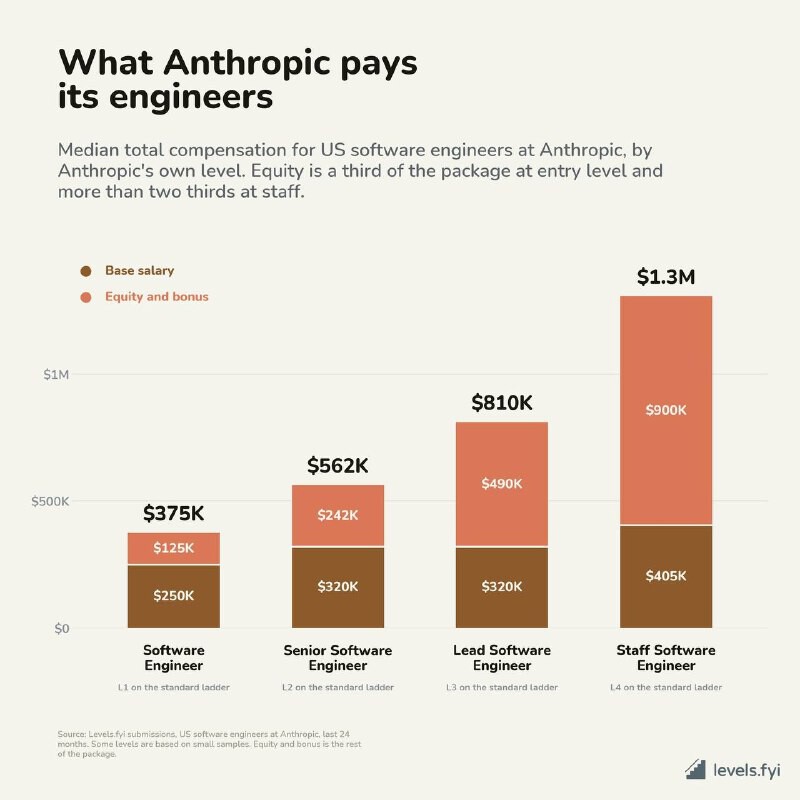
Anthropic CEO Dario Amodei has raised a flag about the AI talent wars: new employees may be joining for the paycheck, not the mission. In a recent statement, Amodei expressed concern that some recruits are drawn by extraordinary compensation rather than the company's founding goal of developing safe, aligned AI.
This shift matters because Anthropic built its reputation on a mission-driven culture. If that differentiator erodes, the company could face retention problems and cultural drift, even as it competes with deep-pocketed rivals.
Find Original Home Decor sparking conversation at Grand Goldman Shop.

The Mission That Set Anthropic Apart
Anthropic was founded with a clear purpose: to build advanced AI models without sacrificing safety. That mission helped it stand out from OpenAI and attracted top researchers who cared about alignment and responsible development.
For years, the promise of working on meaningful problems was a powerful recruiting tool. But as the market for AI expertise has heated up, the balance between purpose and pay has started to tilt.
The New Reality: Mercenaries with Temporary Contracts
Amodei's concern reflects a broader trend in the AI labor market. The most sought-after experts can choose among competing offers, commanding extraordinary salaries, equity packages, prestigious titles, and access to massive compute power for their experiments.
The problem is that none of these advantages last long. A rival can offer more money, more GPUs, or more influence just months later. As a result, some experts are behaving more like mercenaries on short-term contracts than long-term builders.
- Skyrocketing compensation: Top AI researchers can demand packages that rival sports stars.
- Compute as currency: Access to GPUs is now a key bargaining chip.
- Short tenures: Loyalty is fading as experts hop between labs.
- Mission dilution: New hires may not share the founding vision.
- Retention risk: Even well-funded labs struggle to keep talent.
High-Profile Departures Highlight the Challenge
The issue isn't unique to Anthropic. Thinking Machines, a startup founded by former OpenAI CTO Mira Murati, recently lost co-founder Lilian Weng. Weng cited health concerns and a desire for a more focused role, and reports soon linked her return to OpenAI.
Weng is the fourth co-founder to leave Thinking Machines in a year. Even founding a company no longer guarantees that talent will stay. Google has also seen notable departures, underscoring that no employer is immune.
Why Retention Is So Hard
In a field where breakthroughs can create billion-dollar markets, the demand for elite talent outstrips supply. Companies respond with ever-larger offers, but money alone doesn't build loyalty. When every competitor can match your package, culture and mission become the only durable advantages.
Yet mission alone may not be enough either. Employees have bills to pay and careers to build. The challenge for Anthropic and its peers is to offer both meaning and material reward—and to do so consistently.
What This Means for Anthropic and the AI Industry
Amodei's warning is a signal that the AI talent war is entering a new phase. Early on, mission-driven hires gave labs a committed core. Now, with compensation at unprecedented levels, the risk of a transactional workforce is real.
If Anthropic can't retain its people, its safety-focused approach could suffer. The company needs experienced researchers who understand its values and stick around long enough to see projects through.
| Company | Challenge | Example |
|---|---|---|
| Anthropic | New hires may be money-driven | CEO Dario Amodei's warning |
| Thinking Machines | Co-founder turnover | Lilian Weng's departure |
| Talent loss to rivals | Recent high-profile exits | |
| OpenAI | Retention amid competition | Rehiring former talent |
For the broader industry, the lesson is clear: the war for AI talent is no longer just about who can pay the most. It's about who can create an environment where top researchers want to stay. The background to this story is set out in Anthropic CEO Dario Amodei Open to Providing AI Models to All Government. A related thread runs through Anthropic CEO Dario Amodei Addresses AI Power Concentration Debate. Earlier coverage in Dario Amodei Urges AI Slowdown as Risks of Internet Control Loom shows how the argument developed.
What to Watch Next
Keep an eye on how Anthropic adjusts its hiring and retention strategies. Will it double down on mission-driven recruiting, or will it need to match the market's escalating pay? The answer will shape not only Anthropic's future but also the culture of the AI industry. A closer look at the same subject appears in OpenAI UK Salaries Revealed: Meta's AI Talent War Sparks Pay Hikes. Anyone following the wider picture can start with Jensen Huang Confronts Dario Amodei Over AI Safety Alarmism. The same theme surfaces in Alessia Russo: Joining Arsenal Means Absorbing the Club's Love, which takes a different angle.
Also watch for more movement among AI founders and researchers. As the market matures, the pendulum may swing back toward stability—or the mercenary trend could become the new normal. Context on how this played out before sits in Anthropic IPO Filing: 94 Pages of Risks Explained.
FAQ
What did Dario Amodei say about Anthropic employees?Amodei expressed concern that some new employees are joining Anthropic for the money rather than the company's mission of developing safe AI. He fears this could weaken the culture that differentiates Anthropic from competitors.
Why is AI talent so mobile right now?Top AI researchers are in extremely high demand and can choose among multiple lucrative offers. Since competitors can quickly match or exceed compensation, talent often moves to the highest bidder or to roles offering more compute and influence.
What happened at Thinking Machines?Thinking Machines, founded by Mira Murati, lost co-founder Lilian Weng, who cited health concerns and a desire for a more focused role. Reports indicate she returned to OpenAI. Weng is the fourth co-founder to leave the startup in a year.
How can AI companies retain top talent?Companies need to offer both competitive compensation and a compelling mission. Creating a culture where researchers feel valued, have access to resources, and believe in the work is essential for long-term retention.
Browse the Shop
 Acacia frida deluxe solid wood bed frame |
Bedroom bench |
Bed chest drawers |
Lingerie dresser |
Frame base |
Mirror with jewelry storage |
30 Bathroom Vanity |
Memory foam queen mattress |
Mattresses for back pain |
Nightstand set of 2 |
Grand Goldman Shop |
Civil Lawyer
Deutschland Trikot WM 2026







