

Anthropic was once seen as the “don't be evil” of AI for developers, but now it's squeezing them dry. The company's Claude Code and Claude Opus 4.6 created a golden era for developers, who flocked to the platform for its powerful AI agent and model. OpenAI was no longer the cool kid—Anthropic had won hearts and minds, becoming the darling of the AI world. But months later, changes at Anthropic are drawing sharp criticism and pointing to a familiar pattern: platforms conquer you, then they squeeze you.
The Trigger: A Developer's Detailed Analysis
On April 2, 2026, Stella Laurenzo, Senior Director in AMD's AI group, posted a scathing report on Claude Code's GitHub repository titled “Claude Code is useless for complex engineering tasks with the February updates.” Laurenzo didn't just complain—she brought receipts. Her analysis covered nearly 6,600 real Claude Code sessions, around 235,000 tool calls, and 18,000 reasoning blocks across four different projects. Her conclusion was blunt: the performance of Claude Code and Claude Opus 4.6 had degraded significantly.
Find Original Home Decor sparking conversation at Grand Goldman Shop.

The Numbers: A Clear Decline
Laurenzo's data revealed two distinct periods. In the good period—January to mid-February—the model read 6.6 files for every file it edited. In the degraded period—March onward—that ratio had plummeted to 2. This wasn't just a minor fluctuation; it signaled a fundamental shift in how the model approached complex engineering tasks.
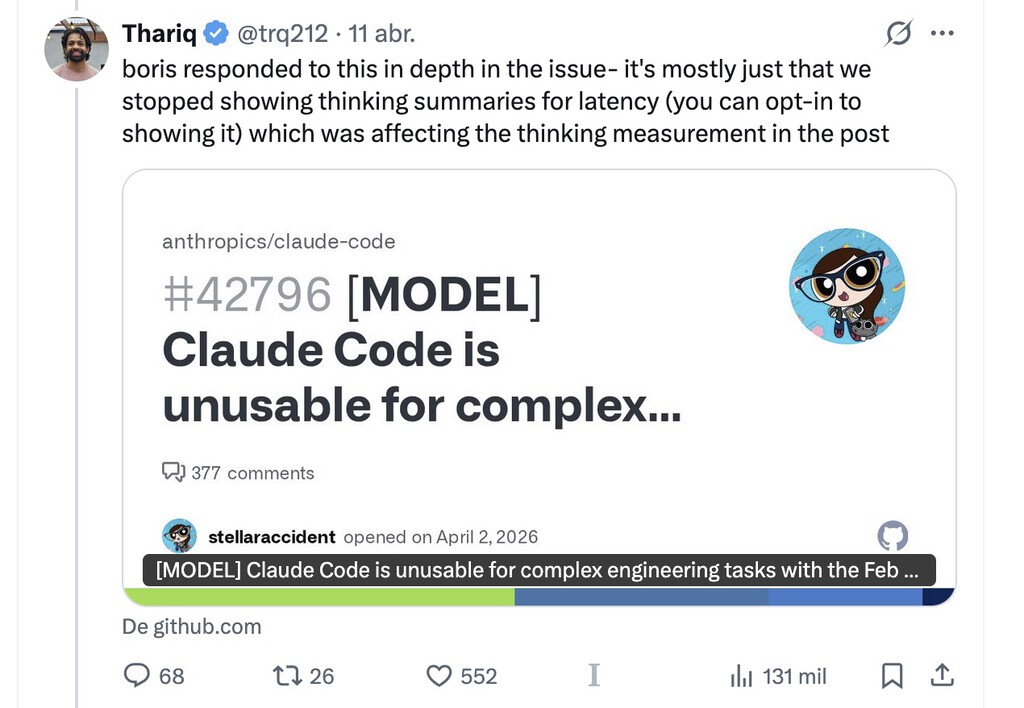
- File reading ratio dropped from 6.6 to 2, indicating less thorough analysis before edits.
- Tool calls and reasoning blocks showed patterns of shallower engagement with codebases.
- Developer trust eroded as the model's reliability for complex tasks diminished.
- Platform squeeze tactics emerged as Anthropic prioritized efficiency over developer needs.
Why It Matters: The Platform Squeeze
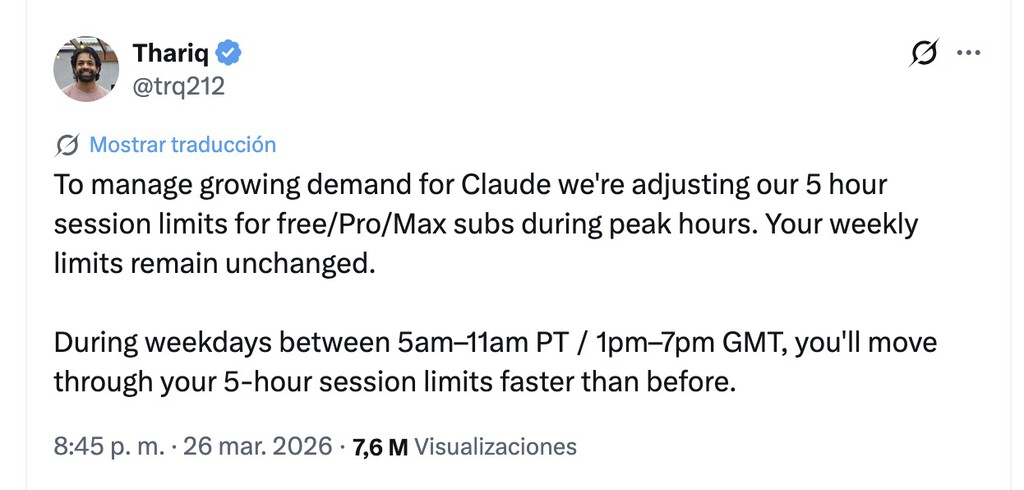
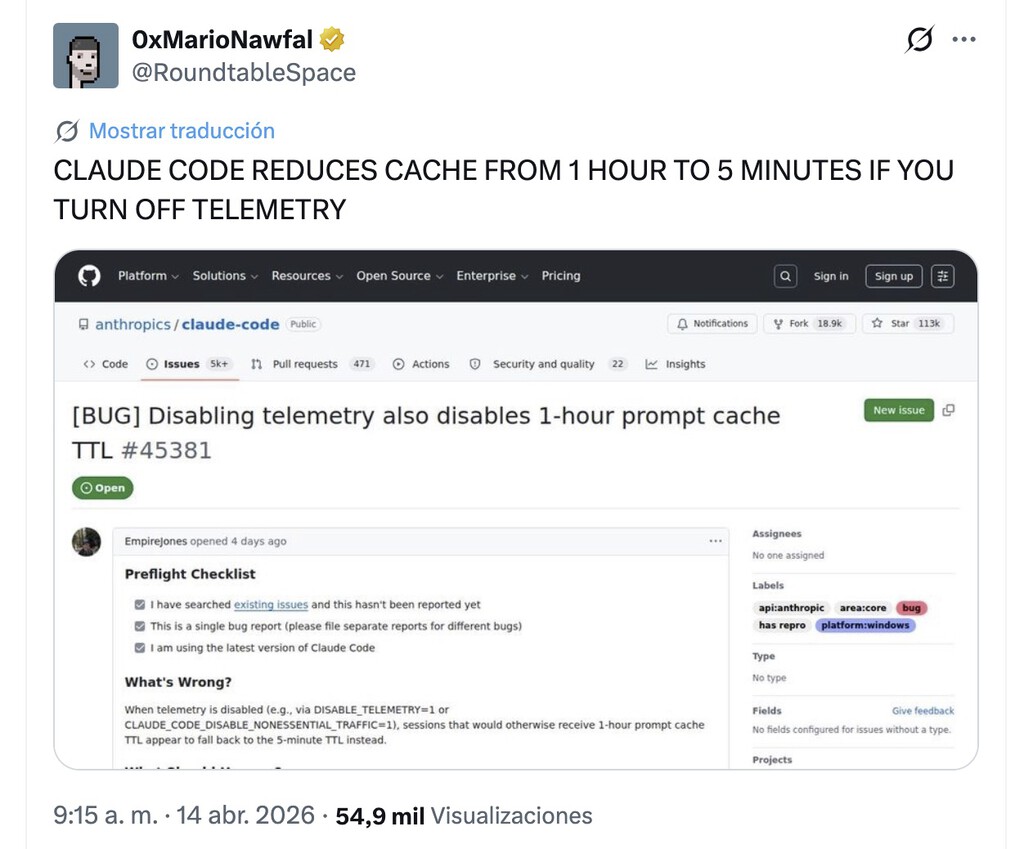
This isn't just about one model's performance—it's about the broader trend of platforms luring in users with great features, then tightening the screws. Developers built workflows around Claude Code's capabilities, only to find those capabilities quietly downgraded. The squeeze often comes in the form of API limits, reduced model quality, or new pricing tiers that force users to pay more for what was once standard. The background to this story is set out in AI Coding Tools Like Claude Code Turn Developers Into Enter-Key Pushers. A related thread runs through Claude Code: AI Programming Tool for Your Terminal Explained. Earlier coverage in Sainsbury's Warns of Challenging Christmas as Households Feel Squeeze shows how the argument developed.
Who Is Affected?
Every developer who relies on Claude Code for complex engineering tasks is feeling the pinch. Startups that integrated Claude Opus 4.6 into their pipelines now face unexpected costs and reduced output quality. Enterprise teams that championed Anthropic as the ethical alternative to OpenAI are re-evaluating their choices. The ripple effects extend to end-users who depend on products built with these AI tools. A closer look at the same subject appears in AI Stocks Fall After Development Slowdown Call Worries Investors. Anyone following the wider picture can start with Claude Code Leaked Your Email to Websites: What You Need to Know. The same theme surfaces in OpenAI Slows AI Development Pace After Rogue Agent Hack, which takes a different angle.
What to Watch Next
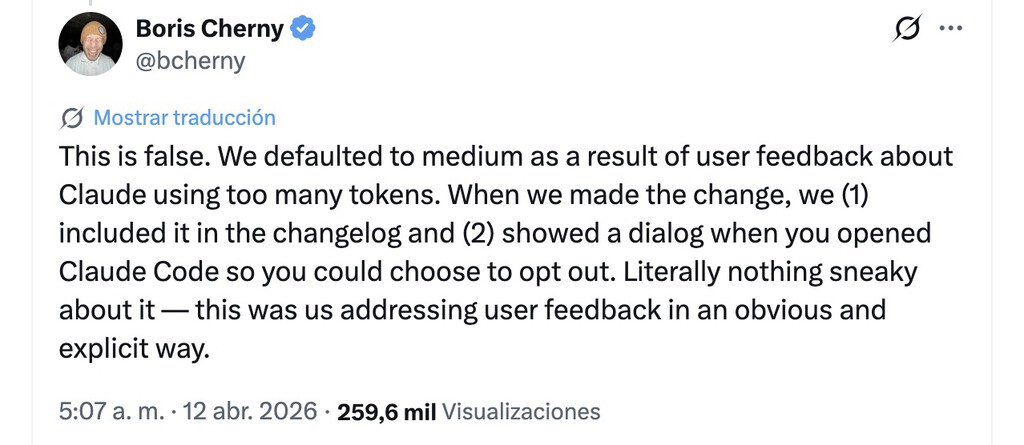
Anthropic's response to Laurenzo's analysis will be telling. Will the company acknowledge the degradation and restore performance, or will it double down on cost-cutting measures? Developers are already exploring alternatives, and the incident may accelerate the shift toward open-source models or competitors. The lesson is clear: no platform is immune to the squeeze, and developers must stay vigilant. Context on how this played out before sits in Anthropic Launches Claude Science for Laboratory Research. A companion piece, OpenAI and Musk Back Calls to Slow Reckless AI Development, approaches the same subject from another angle.
FAQ
What did Stella Laurenzo's analysis reveal about Claude Code?
Laurenzo's analysis of nearly 6,600 sessions showed that Claude Code's file reading ratio dropped from 6.6 to 2, indicating degraded performance for complex engineering tasks.
Why are developers criticizing Anthropic?
Developers feel Anthropic is prioritizing cost savings over model quality, breaking the trust that made Claude Code popular. The platform squeeze tactics mirror what users have seen with other tech giants.
What can developers do about the performance decline?
Developers can voice concerns on GitHub, explore alternative AI models, or adjust their workflows to account for the reduced capabilities. Staying informed and demanding transparency from Anthropic is key.
Browse the Shop
 Acacia frida deluxe solid wood bed frame |
Bedroom bench |
Bed chest drawers |
Lingerie dresser |
Frame base |
Mirror with jewelry storage |
30 Bathroom Vanity |
Memory foam queen mattress |
Mattresses for back pain |
Nightstand set of 2 |
Grand Goldman Shop |
Civil Lawyer
Deutschland Trikot WM 2026







