

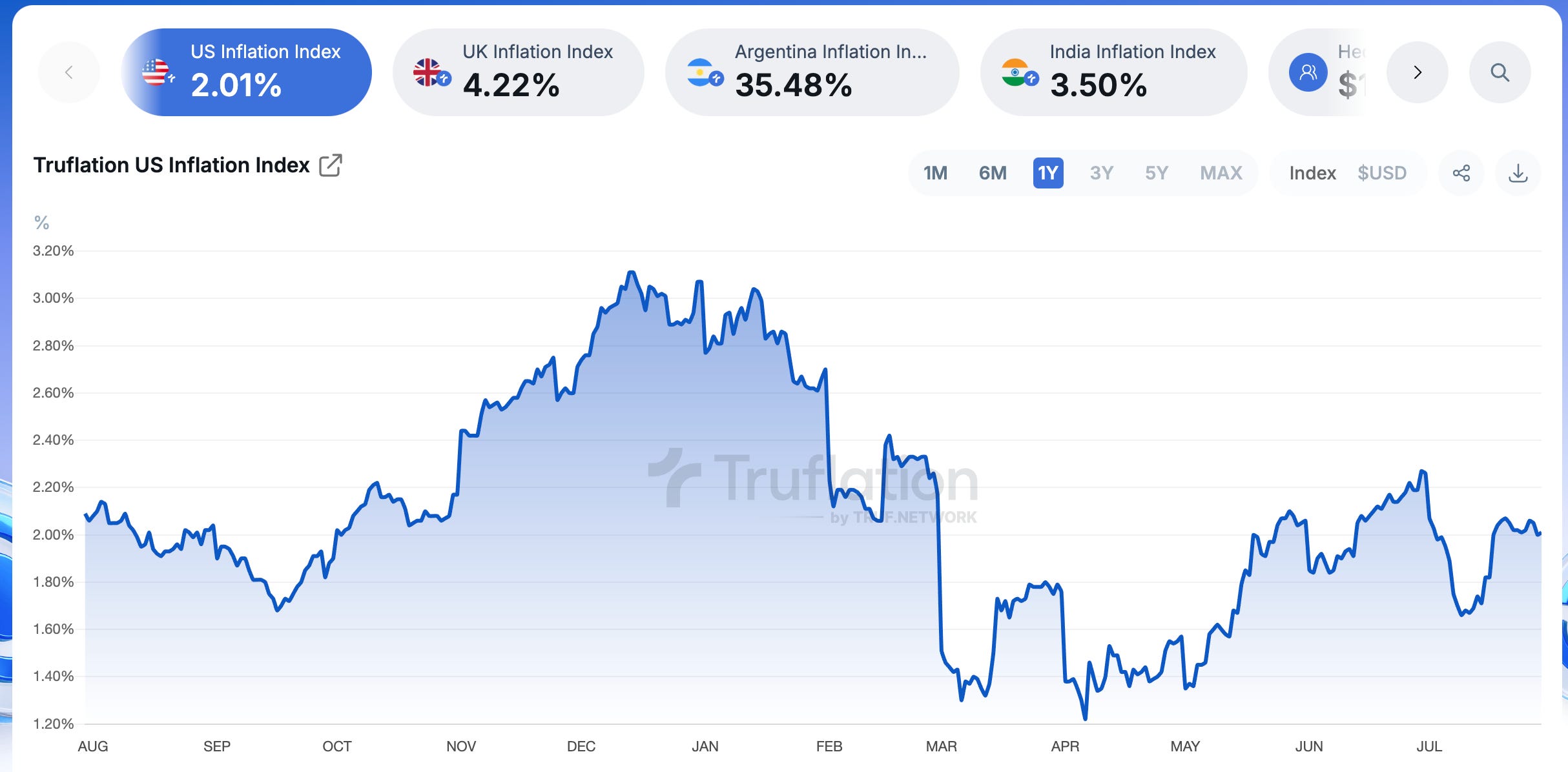
Die wichtigsten Aktienindizes der Wall Street sanken am Mittwoch deutlich, da Investoren die höher als erwartet ausgefallenen Inflationsdaten verdauten und sich auf neue Hinweise der Federal Reserve vorbereiteten. Die Kombination aus gestiegenen Erzeugerpreisen, erhöhten Energiekosten und Unsicherheit über zukünftige Zinsschritte ließ Aktien fallen und stärkte den US-Dollar.
Der S&P 500 fiel um etwa 1,4 %, der Nasdaq Composite verlor rund 1,5 % und der Dow Jones Industrial Average rutschte nahe 1,7 % ab, in einem breiten Abverkauf, der die wachsenden Bedenken hinsichtlich Inflation und Geldpolitik verdeutlichte.
Find Bleeding Edge Supplements at Scandalous Prices on iHerb.


Inflationsdaten überraschen die Märkte.
Erzeugerpreise übertreffen Erwartungen.
Neue Daten, die am Mittwoch veröffentlicht wurden, zeigen, dass die US-Erzeugerpreise im Februar stärker gestiegen sind als von Ökonomen erwartet, was die Befürchtungen schürte, dass inflationsbedingter Druck sich weiter verfestigt statt abzunehmen. Diese Überraschung im Erzeugerpreisindex (PPI) verstärkte die Anlegerängste hinsichtlich des Kostenpfads, dem Unternehmen und Verbraucher gegenüberstehen.
Steigende Produktionskosten gehen oft höheren Verbraucherpreisen voraus, da Unternehmen gestiegene Produktionskosten an Haushalte weitergeben könnten. Da Ölpreise aufgrund geopolitischer Spannungen nahe mehrjähriger Höchststände liegen, bleiben Energiekosten ein signifikanter Treiber der Inflation.
Ölpreise verstärken den Inflationsdruck.
Energiepreise sind in den letzten Wochen gestiegen, teils bedingt durch den eskalierenden Konflikt im Nahen Osten und Bedenken hinsichtlich Versorgungsunterbrechungen. Brent-Öl und andere Referenzpreise sind stark gestiegen, was die Inflationserwartungen bei Verbrauchern und Unternehmen gleichermaßen erhöht hat.
Analysten warnen davor, dass anhaltend hohe Ölpreise in den kommenden Monaten die Inflationsmesswerte verstärken könnten, wodurch es der Federal Reserve erschwert, ihr Inflationsziel von 2 % zu erreichen.

Die Federal Reserve an der Schwelle zu einer wegweisenden Ankündigung.
Fed hält Zinsen fest; Hinweise auf begrenzte Zinssenkungen in Aussicht.
In einer weithin erwarteten Entscheidung entschied die Federal Reserve, den Leitzins im aktuellen Politikzyklus unverändert zu belassen. Beamte wiesen auf die Widerstandsfähigkeit der Wirtschaft hin, erklärten aber, dass nur eine Zinssenkung im Jahr 2026 erwartet werde, was die Sorge widerspiegelt, dass die Inflation weiterhin „etwas erhöht“ ist.
Die Botschaft der Zentralbank war vorsichtig: Während der Inflationsdruck sich von den jüngsten Höchstständen gelöst hat, machen fundamentale Unsicherheiten — insbesondere aufgrund der globalen Energiemarktvolatilität — entschlossenes Handeln kompliziert.
Der Inflationsausblick liegt weiterhin über dem Ziel.
Die Fed geht nun davon aus, dass die Inflation bis 2027 auf rund 2,2 % sinkt, leicht über dem langfristigen Ziel. Dies deutet darauf hin, dass Entscheidungsträger bereit sind, Inflation etwas über dem Ziel zu tolerieren, wenn sie durch vorübergehende externe Schocks verursacht wird statt durch eine breit angelegte Überhitzung der Binnenwirtschaft.
Marktreaktion: Aktien, Anleihen und der Dollar
Aktien geben über alle großen US-Indizes hinweg nach
| Index | Änderung am Mittwoch |
|---|---|
| S&P 500 | ‑1.37 % |
| Nasdaq Composite | ‑1.45 % |
| Dow Jones Industrial | ‑1.69 % |
| Russell 2000 | Weitgehend nach unten |
| Quelle: Reuters Marktschlussdaten |
Investoren reagierten schnell auf die Kombination aus Inflationsdaten und den Äußerungen der Fed und bevorzugten eine risikoaverse Positionierung an den Aktienmärkten. Small-Cap-Aktien, die in der Regel stärker von wirtschaftlichen Risiken betroffen sind, litten ebenfalls.
Staatsanleihenrenditen und der US-Dollar
Anleiherenditen stiegen, weil Trader Erwartungen an zukünftige Zinssätze anpassten, wobei kurzfristige US-Staatsanleihen aufgrund der Aussicht, dass die Fed die Zinsen länger stabil halten wird, zulegten. Gleichzeitig stärkte sich der US-Dollar gegenüber einem Korb wichtiger Währungen, eine typische Reaktion, wenn Märkte eine engere Geldpolitik einkalkulieren.
Gold fällt, Investoren bewerten Risiken neu.
Goldpreise sanken auf über einen Monat niedrige Niveaus, getrieben von stärkerem Dollar und höheren Realrenditen, was auf veränderte Risikoneigungen und eine geringere Nachfrage nach traditionellen sicheren Hafenanlagen in Aktienmarktturbulenzen hindeutet.

Geopolitische Risiken und Energiemärkte
Spannungen im Nahen Osten erhöhen die Marktunsicherheit.
Investoren sehen sich zudem einem erhöhten geopolitischen Risiko gegenüber, bedingt durch den andauernden Konflikt im Nahen Osten. Die Eskalation in den Iran-bezogenen Spannungen droht globale Energieinfrastrukturen zu beeinträchtigen, insbesondere rund um Engpässe wie die Straße von Hormuz.
Diese Risikoprämie hat die Ölpreise deutlich über dem langfristigen Durchschnitt gehalten und beeinflusst Inflationsmaße direkt, wodurch der Inflationsausblick für Zentralbanken weltweit erschwert wird.
Der Energiesektor hebt sich vom restlichen Markt ab.
Trotz allgemeiner Marktschwäche haben sich Aktien des Energiesektors relativ gut gehalten, gestützt durch höhere Rohölpreise. Diese Divergenz untermauert die Überzeugung der Anleger, dass die Energieerträge widerstandsfähiger sein könnten, selbst angesichts allgemeiner wirtschaftlicher Unsicherheit.
Was kommt als Nächstes für Märkte und Politik
Trader überdenken ihre Zinssenkungserwartungen.
Vor der Veröffentlichung der Daten hatten die Märkte nahezu eine gewisse Wahrscheinlichkeit für Zinssenkungen im weiteren Verlauf des Jahres eingepreist. Allerdings haben die stärkeren Inflationszahlen und die Aussagen der Fed die Erwartungen an eine kurzfristige Lockerung nach hinten verschoben. Anhaltend hohe Energiepreise und ein erhöhter Preisdruck könnten die Zinssenkungen bis deutlich später im Jahr 2026 oder darüber hinaus verzögern.
Gewinnzahlen und Wirtschaftsindikatoren im Fokus
Ausblick: Anleger werden die kommenden Quartalsergebnisse und wichtige Wirtschaftsindikatoren wie Verbraucherpreisindizes und Arbeitsmarktdaten genau beobachten. Diese Berichte liefern weitere Hinweise auf die Stärke des Inflationsdrucks und den voraussichtlichen geldpolitischen Kurs der Federal Reserve.
Wichtige Erkenntnisse für Investoren
-
Inflationsüberraschung: Erzeugerpreise stiegen stärker als erwartet, was Befürchtungen schürte, dass die Inflation hoch bleibt.
-
Fed pausiert: Die Federal Reserve hielt die Zinssätze unverändert und signalisierte lediglich begrenzte Zinssenkungen im Jahr 2026.
-
Aktien schwach: Bedeutende Aktienindizes fielen deutlich, weil risikobehaftete Vermögenswerte auf die makroökonomische Unsicherheit reagierten.
-
Energiedruck: Ölpreisspitzen, die mit geopolitischen Risiken verbunden sind, tragen zu steigenden Inflationsdrücken bei.
-
Dollar steigt: Der US-Dollar stärkte sich aufgrund überarbeiteter Zinserwartungen und einer Neubewertung der Risiken.
Fazit
Der steile Rückgang von Wall Street infolge stärkerer Inflationsdaten und eines uneinheitlichen Ausblicks der Fed verdeutlicht das fragile Gleichgewicht zwischen wirtschaftlichem Wachstum, Preisstabilität und Geldpolitik. Während geopolitische Risiken den Inflationsdruck verstärken, stehen Investoren vor einem komplexen Umfeld, das in den kommenden Wochen zu erhöhter Marktturbulenzen führen könnte.
Weiterlesen
Fed-Zinssenkung | US-Inflationsanstieg | Wall Street fällt | Samsung-AMD KI-Vereinbarung | US-Kraftstoffregeln
Browse the Shop
 Acacia frida deluxe solid wood bed frame |
Bedroom bench |
Bed chest drawers |
Lingerie dresser |
Frame base |
Mirror with jewelry storage |
30 Bathroom Vanity |
Memory foam queen mattress |
Mattresses for back pain |
Nightstand set of 2 |
Grand Goldman Shop |
Civil Lawyer
Deutschland Trikot WM 2026
Acacia frida deluxe solid wood bed frame |
Bedroom bench |
Bed chest drawers |
Lingerie dresser |
Frame base |
Mirror with jewelry storage |
30 Bathroom Vanity |
Memory foam queen mattress |
Mattresses for back pain |
Nightstand set of 2 |
Grand Goldman Shop |
Civil Lawyer
Deutschland Trikot WM 2026










