

The Bugatti Veyron is a name that resonates with automotive enthusiasts worldwide, not just for its breathtaking performance but also for its staggering financial story. Priced at $1.7 million, each Veyron sold actually cost Volkswagen a whopping $6.24 million, making it one of the most expensive engineering projects in automotive history.
Born in 2005 from an ambitious vision to create the fastest, most powerful, and most luxurious car in the world, the Veyron was the brainchild of Ferdinand Piëch, the visionary architect of the modern Volkswagen Group and grandson of Ferdinand Porsche. His passion for speed and luxury was embedded in the project's DNA.
Find Original Home Decor sparking conversation at Grand Goldman Shop.

The Engineering Marvel: Bugatti Veyron's W16 Engine
At the heart of the Veyron was a monstrous 8.0-liter W16 engine with four turbochargers, capable of accelerating like a rocket and breaking speed records beyond 406 km/h. This engine, which unfortunately ceased production in 2024, was a testament to Bugatti's engineering prowess.
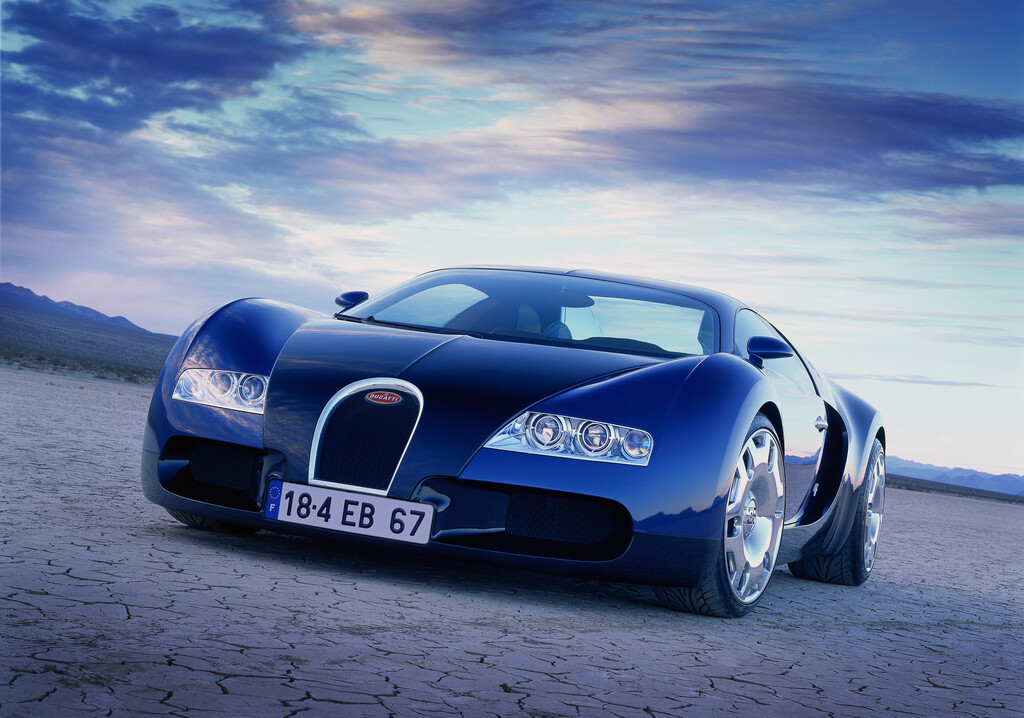
The Veyron's name pays homage to Bugatti driver and engineer Pierre Veyron, who won the 24 Hours of Le Mans in 1939 with a Bugatti. The car itself was developed over six years, a period marked by intense engineering challenges and breakthroughs.
But why did Volkswagen lose so much money on each Veyron? The answer lies in the unprecedented investment in research and development, bespoke materials, and handcrafted production processes. The Veyron was never meant to be a profit generator; it was a halo car designed to showcase Volkswagen's engineering capabilities and elevate the Bugatti brand.
- Record-breaking performance: The Veyron was the first production car to exceed 400 km/h, setting a new benchmark for supercars.
- Handcrafted luxury: Each Veyron required thousands of man-hours and bespoke components, driving up costs.
- Limited production: Only 450 units were produced, making it a rare collector's item.
- Brand prestige: The Veyron helped revive Bugatti as a luxury marque, paving the way for future models like the Chiron.
The Financial Reality: Why Volkswagen Lost Millions on Each Veyron
Volkswagen's decision to produce the Veyron was not driven by profit but by a desire to push the boundaries of automotive engineering. The company invested heavily in developing new technologies, such as the dual-clutch transmission and advanced aerodynamics, which later trickled down to other models.
However, the Veyron's price tag of $1.7 million was far below its production cost. According to reports, Volkswagen lost approximately $6.24 million on each unit sold. This loss was absorbed as a marketing expense, as the Veyron generated immense publicity and enhanced the brand's image.
The Veyron's legacy extends beyond its financial losses. It set new standards for speed, luxury, and engineering, and its influence can be seen in subsequent hypercars from Bugatti and other manufacturers.
| Specification | Bugatti Veyron |
|---|---|
| Production Years | 2005-2015 |
| Engine | 8.0L W16 quad-turbo |
| Power Output | 1,001 hp (base model) |
| Top Speed | 407 km/h (253 mph) |
| 0-100 km/h | 2.5 seconds |
| Price (New) | $1.7 million |
| Loss per Unit | $6.24 million |
The Legacy of the Bugatti Veyron
Despite the financial losses, the Veyron achieved its primary goal: it reestablished Bugatti as a premier luxury supercar manufacturer. The car's advanced engineering and exclusive nature attracted wealthy collectors and enthusiasts, ensuring its place in automotive history. The background to this story is set out in Bugatti W16 Era Ends: Last Mistral Supercar Leaves Molsheim. A related thread runs through London's Supercar Problem: 99% of Foreign Fines Go Unpaid. Earlier coverage in Supercars Popularity Surge: Fast, Furious and Potentially Fatal shows how the argument developed.
The Veyron also paved the way for its successor, the Chiron, which continued to push the boundaries of performance and luxury. Today, the Veyron is a sought-after collector's item, with values holding strong or even appreciating for certain variants. A closer look at the same subject appears in This Artist Create Terrifying Body Art And The Results Are Breathtaking. Anyone following the wider picture can start with Cleansed Review: Sarah Kane's Brutal Vision Still Resonates. The same theme surfaces in Ferrari CZ26: The One-Off Hybrid Supercar Built for a Single Client, which takes a different angle.
Volkswagen's investment in the Veyron can be seen as a long-term brand-building exercise. The halo effect of the Veyron helped sell other Volkswagen Group products and solidified Bugatti's position in the ultra-luxury segment. Context on how this played out before sits in Chinese Plug-In Hybrids Dominate Europe as Volkswagen Demands Tariffs. A companion piece, Volkswagen Backs EU Made in Europe Plan to Boost Industry, approaches the same subject from another angle.
FAQ
How much did the Bugatti Veyron cost to produce?
While the exact production cost is not publicly disclosed, reports indicate that Volkswagen lost approximately $6.24 million on each Veyron sold, suggesting a production cost far exceeding the $1.7 million price tag.
Why did Volkswagen sell the Veyron at a loss?
Volkswagen sold the Veyron at a loss as a strategic investment in brand prestige and technological innovation. The car served as a halo model to showcase engineering prowess and attract attention to the Bugatti brand.
How many Bugatti Veyrons were made?
Bugatti produced a total of 450 Veyrons, including all variants such as the Grand Sport and Super Sport, making it a relatively rare supercar.
What is the top speed of the Bugatti Veyron?
The Bugatti Veyron has a top speed of 407 km/h (253 mph), making it one of the fastest production cars in the world at the time of its release.
Browse the Shop
 Acacia frida deluxe solid wood bed frame |
Bedroom bench |
Bed chest drawers |
Lingerie dresser |
Frame base |
Mirror with jewelry storage |
30 Bathroom Vanity |
Memory foam queen mattress |
Mattresses for back pain |
Nightstand set of 2 |
Grand Goldman Shop |
Civil Lawyer
Deutschland Trikot WM 2026







