

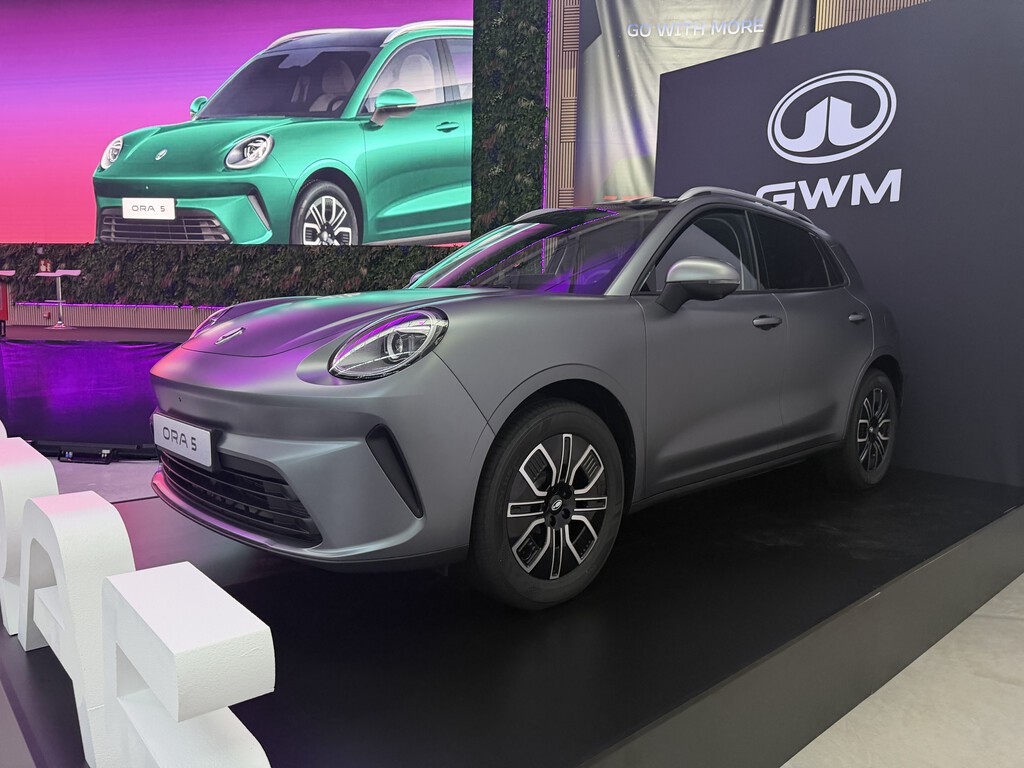
GWM (Great Wall Motors) is entering the Spanish market with a clear message: the company isn't interested in building a car for everyone, but rather the perfect car for each customer. This combustion-first strategy sets GWM apart from other Chinese brands that have focused heavily on electric vehicles to gain a foothold in Europe.
Spain has become the gateway for Chinese cars in Europe. According to ANFAC data, Chinese models are now a common sight among the best-selling vehicles in each category. Among the top 10 electric cars, three are Chinese; among the top 10 plug-in hybrids, five are Chinese; and among the top 10 non-plug-in hybrids, two are Chinese. Overall, one in three cars sold in these categories is Chinese.
Find Original Home Decor sparking conversation at Grand Goldman Shop.

Why Spain Is the Gateway for Chinese Cars
Spain's car market has proven fertile ground for Chinese manufacturers. The country's price-sensitive buyers and growing appetite for affordable, well-equipped vehicles have created a perfect storm. Chinese brands have capitalized on this by offering more equipment and lower prices compared to European, Japanese, and American rivals of similar size, features, and power.
Plug-in hybrids (PHEVs) are where Chinese cars have gained the most traction. Western manufacturers have often skipped PHEVs in favor of full electrics, while Chinese automakers face no tariffs on PHEVs (unlike EVs). This pricing advantage, combined with generous equipment levels, has made Chinese PHEVs highly attractive to Spanish consumers.
GWM's Combustion-First Approach
GWM's decision to prioritize combustion engines, particularly hybrids, aligns with market realities. Non-plug-in hybrids remain the least penetrated segment for Chinese brands, largely because Toyota dominates with four of the top five best-sellers. Western brands have also filled their lineups with mild hybrids that count in this category despite minimal fuel savings.
By focusing on combustion and hybrid technology, GWM avoids the tariffs imposed on Chinese EVs and leverages its expertise in traditional powertrains. The company aims to offer a tailored product for each customer segment rather than a one-size-fits-all electric vehicle. The longer history behind the story is traced in Cobendai Collapse: 170 Jobs Lost and Cars Undelivered.
Key Takeaways for the Spanish Market
- Chinese cars now account for one in three sales among the top 10 in electric, PHEV, and hybrid categories in Spain.
- Plug-in hybrids are the strongest segment for Chinese brands due to lower tariffs and high equipment levels.
- GWM's combustion-first strategy targets specific customer needs rather than a broad EV approach.
- Toyota's dominance in non-plug-in hybrids presents a challenge for Chinese brands in that segment.
- Spain serves as a testbed for Chinese automakers expanding across Europe.
Comparing Chinese and Western Hybrid Offerings
Chinese hybrids often undercut Western rivals on price while offering more features. The table below highlights key differences between typical Chinese PHEVs and their Western counterparts in the Spanish market. The background to this story is set out in Chinese Hybrid Cars Reshape Spain's Auto Market in 2026. A related thread runs through Audi Reverses All-Electric Strategy as Combustion Demand Grows. Earlier coverage in EVs and Hybrids Near Half of Australian New Car Sales Amid Fuel shows how the argument developed.
| Feature | Chinese PHEVs | Western PHEVs |
|---|---|---|
| Price | Lower | Higher |
| Equipment | More generous | Often optional |
| Tariffs | None (PHEVs) | N/A |
| Market Share | Growing rapidly | Declining in PHEV segment |
What GWM's Entry Means for Buyers
For Spanish consumers, GWM's arrival means more choice in the combustion and hybrid segments. The brand's focus on tailored solutions could appeal to buyers who aren't ready to go fully electric but want modern, well-equipped vehicles at competitive prices. A closer look at the same subject appears in EU Chinese Hybrid Car Sales Surge 160,662 in 2025. Anyone following the wider picture can start with Chinese Car Manufacturing Cost Advantage: A Threat to Traditional Automakers. The same theme surfaces in EU-China Hybrid Car Deal to Cut Chinese Imports by Half, which takes a different angle.
As Chinese brands continue to expand, established players may need to adjust their strategies. The success of Chinese PHEVs in Spain shows that affordability and equipment can outweigh brand loyalty, especially in a price-sensitive market. Context on how this played out before sits in UK Tariffs on Chinese Cars: Aligning with EU Trade Policy. A companion piece, Chinese Car Brands in Spain: MG, BYD, Lynk & Co and Omoda, approaches the same subject from another angle.
FAQ
What is GWM's strategy for the Spanish market?
GWM aims to offer the perfect car for each customer rather than a single model for everyone. The brand is focusing on combustion engines and hybrids, avoiding the tariff burden on electric vehicles.
Why are Chinese cars so popular in Spain?
Chinese cars offer more equipment and lower prices compared to Western rivals. In Spain, they account for one in three sales among the top 10 in key categories like electric and hybrid vehicles.
Are Chinese hybrids subject to tariffs in Europe?
Plug-in hybrids from China are not subject to the same tariffs as electric vehicles. This gives Chinese PHEVs a pricing advantage over EVs in European markets.
Which Chinese brands are leading in Spain?
Brands like MG and others have gained significant market share. For example, the MG ZS is among the best-selling models in its segment.







