

In 2007, Japan's Wakayama Electric Railway appointed a cat named Tama as stationmaster of Kishi Station on the Kishigawa Line, a struggling 14.3-kilometer railway that connected the towns of Wakayama and Kinokawa. This unconventional move turned the line's fortunes around, drawing tourists from across Japan and beyond.
The Kishigawa Line, which originally opened in the early 20th century to link three important shrines—Nichizengu, Kamayama, and Itakiso—had seen ridership decline as Japan's population aged and shifted toward urban centers. By the early 2000s, the line was losing money and faced possible closure. The appointment of Tama, a calico cat, was part of a broader effort to attract visitors and generate revenue.
Find Original Home Decor sparking conversation at Grand Goldman Shop.

The Birth of a Feline Stationmaster
Tama was a stray cat adopted by the stationmaster of Kishi Station. When the railway decided to cut costs by reducing staff, the station became unmanned. Local officials, looking for a creative solution, officially appointed Tama as stationmaster in 2007. Her duties included greeting passengers and posing for photos, and she was even given a special stationmaster's hat and badge.
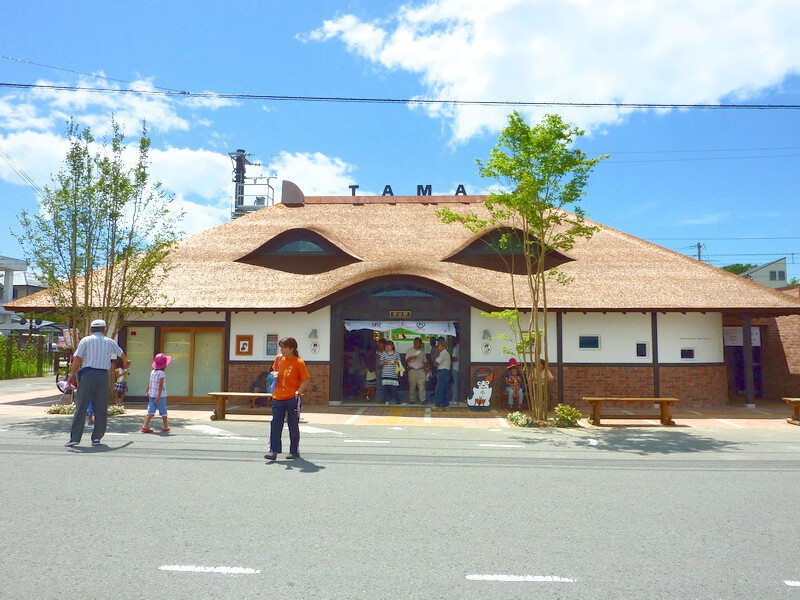
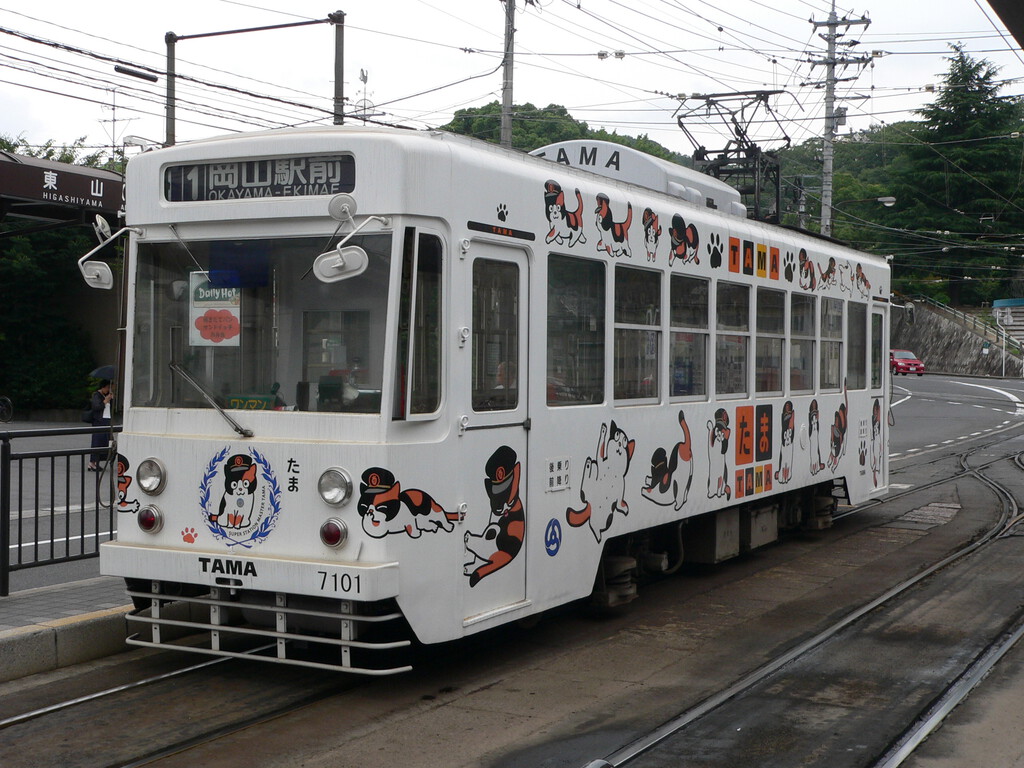
The move quickly gained media attention, both in Japan and internationally. Tama's story resonated with people, and soon tourists began flocking to the rural line to see her. The railway capitalized on the popularity by introducing a cat-themed train, complete with cat ears on the roof and a cat-shaped station house.
Economic Impact and Tourism Boost
The impact was significant. According to reports, the number of passengers on the Kishigawa Line increased by over 20% in the years following Tama's appointment. The railway estimated an economic boost of over 1 billion yen (about $9 million) to the local economy. Tama herself became a celebrity, appearing in advertisements and even starring in a documentary.
The line's revival also brought attention to the towns of Wakayama and Kinokawa, which saw increased visitor spending. Local businesses benefited from the influx of tourists, and the railway was able to invest in new trains and facilities. Tama's success inspired other railways in Japan to appoint their own animal stationmasters, though none achieved the same level of fame.
Challenges and Criticisms
While the cat stationmaster brought positive attention, there were also challenges. Some critics argued that the focus on a gimmick detracted from the serious issues facing rural railways in Japan. Others raised concerns about animal welfare, though Tama was well-cared for by railway staff and local volunteers.
Despite these criticisms, the model proved sustainable. Tama's popularity endured until her death in 2015, and she was succeeded by another cat, Nitama, who continues to serve as stationmaster. The Kishigawa Line remains operational, a testament to the power of creative marketing and community engagement.
Lessons for Rural Transportation
The Kishigawa Line's story offers valuable lessons for rural transportation systems worldwide. It demonstrates that unconventional strategies can breathe new life into struggling services. By leveraging local culture and creating a unique experience, the railway turned a liability into an asset. Context on how this played out before sits in Japan's Cat Stationmaster That Saved a Dying Railway Line.
Moreover, the success was not solely due to the cat. The railway also invested in better service, including more frequent trains and improved connections. The cat stationmaster served as a catalyst, but the underlying improvements were essential for long-term viability. The background to this story is set out in Car: latest articles. A related thread runs through Pokémon Airport in Japan: A Strategy for Survival and Tourism.
What to Watch Next
As Japan continues to grapple with rural depopulation, the Kishigawa Line serves as a model for other communities. Several other railways have adopted similar strategies, appointing animal stationmasters or creating themed trains. The trend shows no signs of slowing, as operators seek innovative ways to attract passengers. Earlier coverage in Turkey's $8.1B Northern Ring Railway to Bridge Bosphorus shows how the argument developed. A closer look at the same subject appears in Honda EV Strategy Stumbles as China Overtakes Japan in Electric Cars.
For travelers, the Kishigawa Line offers a unique experience that combines Japan's love for trains and cats. A visit to Kishi Station provides a glimpse into how creativity and community spirit can overcome seemingly insurmountable challenges. Anyone following the wider picture can start with Japan's Tourism Dilemma: Balancing Growth and Overtourism. The same theme surfaces in Australian Tourists Flock to Japan: Rural Travel Push, which takes a different angle.
FAQ
Who was Tama the cat?
Tama was a calico cat appointed as stationmaster of Kishi Station on the Kishigawa Line in 2007. She became a national celebrity and is credited with saving the struggling railway by attracting tourists.
How did a cat save a railway line?
Tama's appointment generated significant media coverage and public interest, leading to a surge in passengers and tourism revenue. The railway introduced cat-themed trains and merchandise, further boosting its profile.
Is the Kishigawa Line still operating?
Yes, the Kishigawa Line continues to operate. After Tama's death in 2015, another cat named Nitama took over as stationmaster, and the line remains a popular tourist destination.
What impact did Tama have on the local economy?
Tama's popularity is estimated to have contributed over 1 billion yen to the local economy, with increased passenger numbers and tourist spending benefiting the towns of Wakayama and Kinokawa.
Browse the Shop
 Acacia frida deluxe solid wood bed frame |
Bedroom bench |
Bed chest drawers |
Lingerie dresser |
Frame base |
Mirror with jewelry storage |
30 Bathroom Vanity |
Memory foam queen mattress |
Mattresses for back pain |
Nightstand set of 2 |
Grand Goldman Shop |
Civil Lawyer
Deutschland Trikot WM 2026







