

Napster's rise and fall is a story of how a simple idea—peer-to-peer music sharing—put the entire music industry on the defensive and ultimately transformed it. Launched in June 1999 by Shawn Fanning, a college student, Napster became the first major P2P network that allowed users to easily share MP3 files. At its peak in February 2001, it had 26.4 million verified users, with some estimates suggesting up to 80 million registered accounts. This is the story of how Napster changed the game and what it means for today's digital landscape.
The Birth of Napster: A College Kid's Idea
Shawn Fanning, a programmer and student at Northeastern University in Boston, frequented the IRC channel "w00w00" where he chatted with online friends like "Man0War," "Mars," and "Nocarrier." It was there that the idea for a file-sharing community took root. After months of work, Fanning uploaded the first version of Napster to the internet in June 1999.
Find Original, High-end Home Decor that spark conversation at Grand Goldman Shop.
At a time when sending a file could take minutes or even hours, Napster offered a fast, easy, and accessible service thanks to the MP3 format. Users downloaded a client, placed files in a shared folder, and allowed others to download from their hard drives—a concept that seemed radical but quickly gained traction.
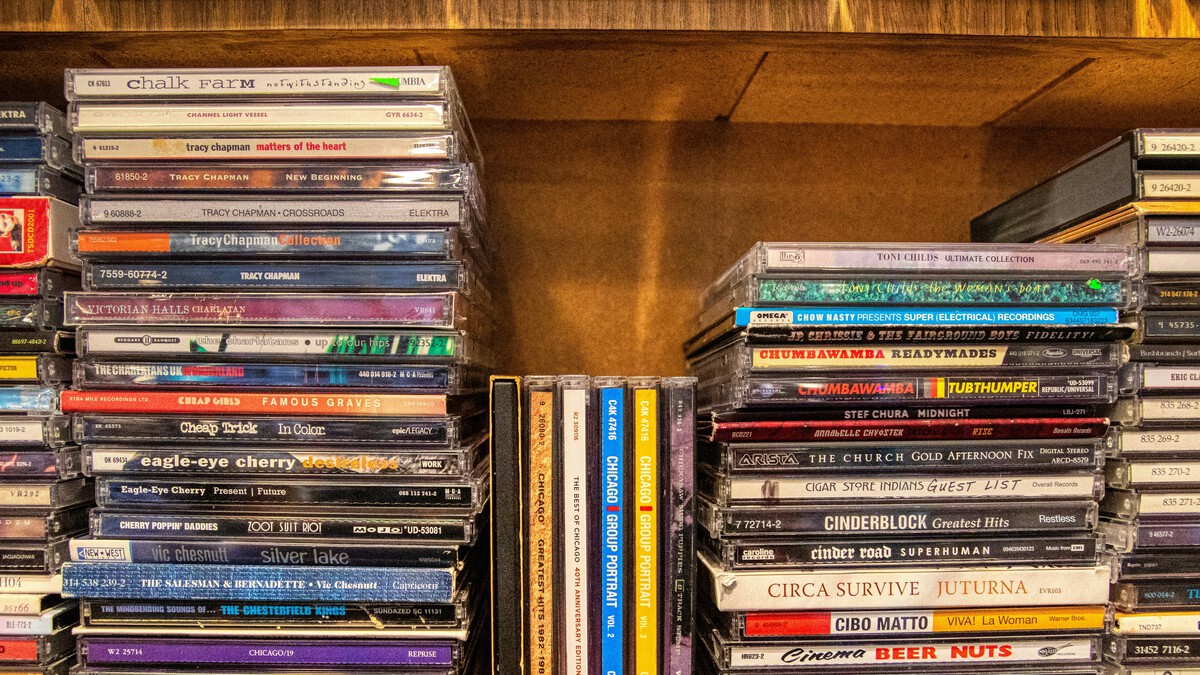
How Napster Worked and Why It Took Off
Napster's genius was its simplicity. It combined a centralized index of available files with direct peer-to-peer transfers. This meant users could search for a song and download it from another user's computer, bypassing the need for a central server to store the files. The MP3 format, which compressed audio into smaller files, made sharing feasible over slow internet connections.

The service exploded in popularity, especially among college students who had access to high-speed networks. Napster became synonymous with free music, and its user base grew exponentially. But this success also attracted the attention of the music industry, which saw it as a threat to its business model.
The Legal Battle: Industry Strikes Back
The Recording Industry Association of America (RIAA) sued Napster in December 1999 for copyright infringement. The case, A&M Records, Inc. v. Napster, Inc., became a landmark in digital copyright law. The industry argued that Napster was facilitating piracy on a massive scale, while Napster claimed it was merely a technology platform and that users were responsible for their actions.

In 2001, the Ninth Circuit Court of Appeals ruled in favor of the RIAA, ordering Napster to stop allowing the sharing of copyrighted material. Napster attempted to comply by filtering files, but the damage was done. The service effectively shut down in July 2001, and its assets were later sold in bankruptcy.
The Aftermath: A Transformed Music Industry
Napster's demise did not end file sharing; instead, it spawned a wave of decentralized P2P networks like Gnutella, Kazaa, and LimeWire that were harder to shut down. More importantly, it forced the music industry to confront the digital revolution. The genie was out of the bottle: consumers wanted easy, affordable access to music online. The longer history behind the story is traced in Napster's Rise and Fall: How P2P Music Sharing Changed the Industry.
Apple's iTunes Store, launched in 2003, offered a legal alternative for downloading individual songs. Later, streaming services like Spotify and Apple Music redefined how people consume music, embracing the very technology that Napster had pioneered. The industry finally found a way to monetize digital distribution, albeit after years of resistance. The background to this story is set out in French Open Revenue Share: A Game Changer for Tennis Prize Money. A related thread runs through DoJ Misses Deadline for Epstein Ranch Files: What It Means. Earlier coverage in Celebrity: latest articles shows how the argument developed.
Napster's Legacy: Lessons for Today's Tech Disruptors
Napster's story is a classic example of disruptive innovation. It showed how a startup could challenge an entrenched industry and accelerate its digital transformation. It also highlighted the importance of adapting to consumer behavior and the risks of ignoring technological change. A closer look at the same subject appears in Kylie Minogue AI Training: Music Body Warns Australia on Copyright. Anyone following the wider picture can start with Will Any Band Ever Match The Beatles or Rolling Stones Again. The same theme surfaces in Black and South Asian Music Events Cost London £141m Yearly, which takes a different angle.
Today, the debate over copyright and technology continues with AI-generated content and blockchain-based platforms. The key lesson from Napster is that technology will find a way to meet demand, and industries must evolve or risk being left behind. Context on how this played out before sits in Guardian Extra Accounts Let Subscribers Share Digital Access. A companion piece, Screen Time and Sleep: The Real Health Risk of Late-Night Phone Use, approaches the same subject from another angle.
FAQ
What was Napster and why was it important?
Napster was the first major peer-to-peer file-sharing service that allowed users to easily share MP3 music files. It was important because it democratized music distribution, challenged the music industry's business model, and paved the way for legal digital music services like iTunes and Spotify.
How many users did Napster have at its peak?
At its peak in February 2001, Napster had 26.4 million verified users, according to court documents. Some estimates suggest up to 80 million registered accounts, though these numbers are less reliable.
Why did Napster shut down?
Napster was shut down after a series of legal battles with the music industry. In 2001, the Ninth Circuit Court of Appeals ruled that Napster was facilitating copyright infringement and ordered it to stop allowing the sharing of copyrighted material. Unable to comply fully, Napster effectively ceased operations and filed for bankruptcy.
What impact did Napster have on the music industry?
Napster forced the music industry to embrace digital distribution. It demonstrated consumer demand for online music and led to the creation of legal services like iTunes and streaming platforms. It also sparked a broader conversation about copyright in the digital age.
Browse the Shop
 Acacia frida deluxe solid wood bed frame |
Bedroom bench |
Bed chest drawers |
Lingerie dresser |
Frame base |
Mirror with jewelry storage |
30 Bathroom Vanity |
Memory foam queen mattress |
Mattresses for back pain |
Nightstand set of 2 |
Grand Goldman Shop |
Civil Lawyer
Deutschland Trikot WM 2026










