

The AI energy crisis is no longer a distant concern; industry leaders are warning of a significant power deficit as soon as next year. The rapid expansion of artificial intelligence infrastructure is outpacing the growth of energy supply, creating a gap that could have far-reaching consequences.
For months, the tech industry has been scrambling to secure sufficient power for AI operations. Projects are increasingly being directed to countries with strong renewable energy resources, and China's AI industry is flourishing partly due to its energy capacity. Now, Elon Musk has put a number on the impending shortfall: a 15 GW deficit by 2027.
Find Original Home Decor sparking conversation at Grand Goldman Shop.

The Looming AI Energy Deficit
Speaking via video call at the G20 Innovation Ministerial Meeting, Musk declared that we are "in a real energy crisis." He emphasized that this is not a far-off problem: "Next year we will have a significant power deficit." His assessment is based on the observation that AI chip production is growing at 40-50% annually, while outside China, electrical capacity is only increasing by 10-20% per year.
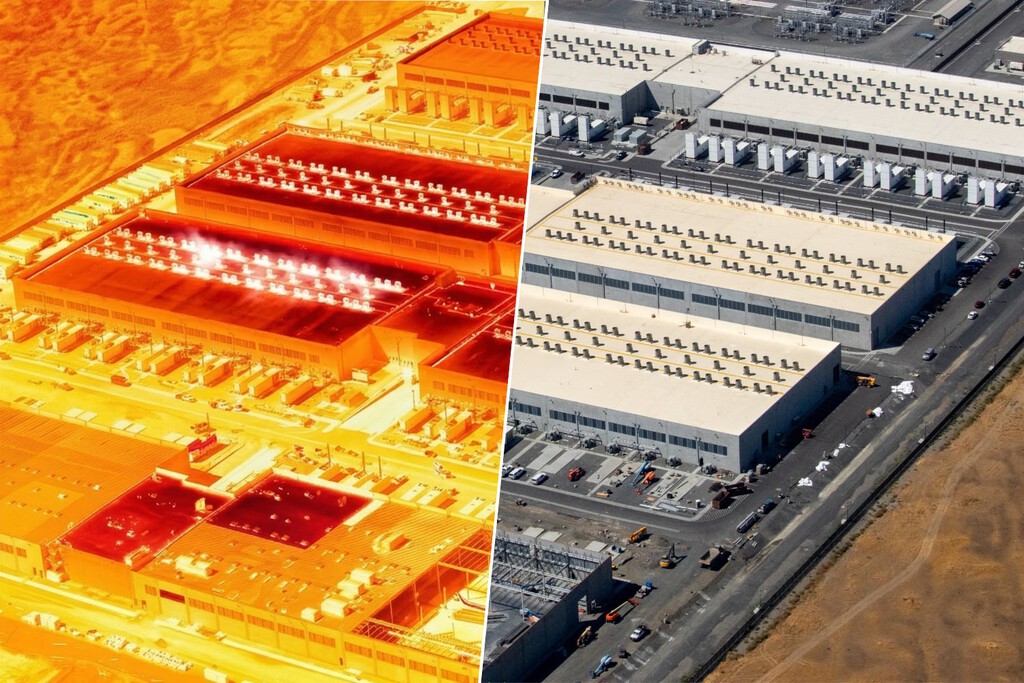
This mismatch between supply and demand is at the heart of the AI energy crisis. As big tech companies continue to scale their infrastructure, the energy required for inference—the process of running AI models—will skyrocket. The question is not whether there will be a deficit, but how severe it will be and who will be affected.
Why AI's Energy Demand Is Skyrocketing
Artificial intelligence, particularly large language models and generative AI, is incredibly power-hungry. Training these models requires massive computational resources, and running them (inference) is even more energy-intensive. As AI becomes more integrated into everyday applications, the demand for energy will only grow.
Data centers are already straining power grids in some regions. The proliferation of AI services means that data centers must expand, and with them, their energy consumption. The industry's push to develop more advanced AI models exacerbates this trend, as each new generation of models tends to be larger and more complex.
Key Factors Behind the Energy Crunch
- Rapid AI chip production growth: 40-50% annual increase, far outpacing energy supply growth.
- Slow energy infrastructure expansion: Outside China, electrical capacity grows only 10-20% per year.
- Inference energy demands: Running AI models requires vast amounts of power, and usage is scaling rapidly.
- Geographic disparities: Countries with strong renewable energy attract AI projects, while others lag behind.
- Big tech's infrastructure race: Companies are investing heavily in AI, further driving energy needs.
Comparing Energy Growth: AI Chips vs. Power Capacity
The table below illustrates the stark difference between the growth rates of AI chip production and energy capacity, highlighting the widening gap that leads to the deficit.
| Factor | Annual Growth Rate |
|---|---|
| AI chip production | 40-50% |
| Energy capacity (outside China) | 10-20% |
| Energy capacity (China) | Higher (specific rate not provided) |
Who Will Be Affected by the Energy Deficit?
The energy deficit will impact a wide range of stakeholders. Tech companies relying on AI for their services may face higher energy costs or limitations on their operations. Consumers could see increased prices for AI-powered products and services. And regions with insufficient energy infrastructure may struggle to attract or retain AI investments.
China's advantage in energy capacity means its AI industry could continue to grow more rapidly, potentially widening the gap between China and other countries in AI development. This could have geopolitical implications, as AI is increasingly seen as a strategic technology. The background to this story is set out in Elon Musk Turns to Gas Turbines as AI Power Demand Outpaces Solar. A related thread runs through UK's Unexpected £1.8bn Deficit Looms Over Healey's First Budget. Earlier coverage in Elon Musk Celebrates AfD Victory in German State Election shows how the argument developed.
What to Watch Next
As the AI energy crisis unfolds, several developments are worth monitoring. First, how quickly can energy infrastructure be expanded to meet demand? Second, will companies innovate to make AI more energy-efficient? Third, what policies will governments implement to address the deficit? And finally, how will the geographic shift in AI development play out? A closer look at the same subject appears in AfD German Election Win: Far-Right Thanks Elon Musk. Anyone following the wider picture can start with Elon Musk Lives in a Trailer Near Memphis Data Center. The same theme surfaces in Astronomers Detect Most Distant Fast Radio Burst From Far Galaxy, which takes a different angle.
The warning from Musk and others in the industry is a wake-up call. The AI energy crisis is not a future problem—it is here, and it demands immediate attention from policymakers, industry leaders, and investors alike. Context on how this played out before sits in Global Sand Crisis Extraction Outpacing Natural Replenishment. A companion piece, Elon Musk Documentary Reveals Six Shocking Truths, approaches the same subject from another angle.
FAQ
What is the AI energy crisis?
The AI energy crisis refers to the growing gap between the energy required to power artificial intelligence systems and the available energy supply. As AI models become more complex and widespread, their energy demand is outpacing the growth of energy infrastructure, leading to potential deficits.
How did Elon Musk quantify the energy deficit?
Elon Musk estimated a 15 GW energy deficit by 2027, based on the observation that AI chip production is growing at 40-50% annually, while energy capacity outside China is only growing at 10-20% per year.
Why is China better positioned in terms of energy for AI?
China has been investing heavily in energy infrastructure, particularly renewables, which has allowed its AI industry to flourish. While specific growth rates for China's energy capacity were not provided, it is implied that China's energy growth is higher than the 10-20% seen in other countries.
What can be done to mitigate the AI energy deficit?
Mitigation strategies include accelerating the expansion of energy infrastructure, improving the energy efficiency of AI models and data centers, and implementing policies that incentivize investment in renewable energy and grid modernization.
Browse the Shop
 Acacia frida deluxe solid wood bed frame |
Bedroom bench |
Bed chest drawers |
Lingerie dresser |
Frame base |
Mirror with jewelry storage |
30 Bathroom Vanity |
Memory foam queen mattress |
Mattresses for back pain |
Nightstand set of 2 |
Grand Goldman Shop |
Civil Lawyer
Deutschland Trikot WM 2026







