

Antarctic penguins may look adorable, but they smell awful. That's the takeaway from a recent interview with Iker Trigo, a CSIC technician who spent a campaign in Antarctica and confessed he "never imagined penguins smelled bad." The story, which began over coffee in Lugo, Spain, highlights a surprising scientific finding: penguin guano is a major source of ammonia and particulate matter in the region.
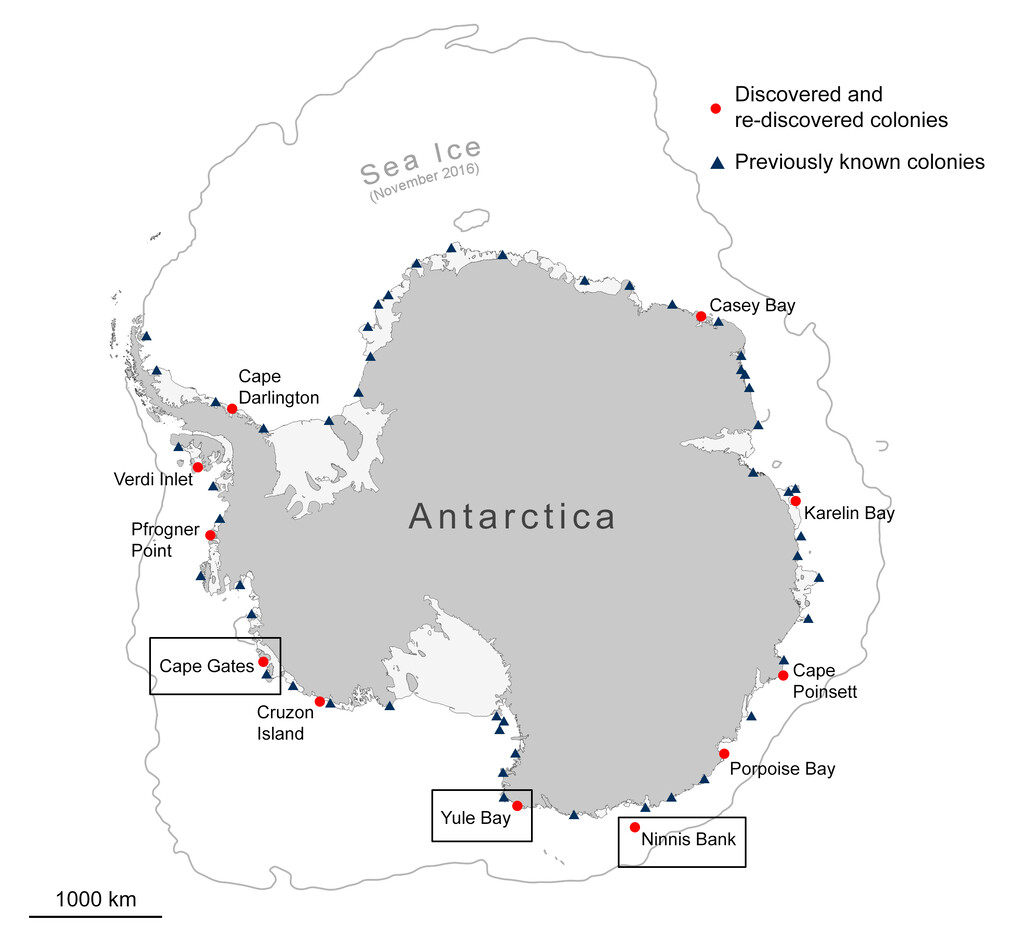
While it's no secret that tens of thousands of birds eating krill will produce a powerful odor, the extent of their impact on air quality is only now coming to light. Satellite images already use guano stains to count emperor penguin colonies from space. But the ammonia from those droppings is turning out to be a key terrestrial source of pollution.
Find Original Home Decor sparking conversation at Grand Goldman Shop.

Why Antarctic Penguins Smell So Bad
The stench comes from penguin guano, which is rich in ammonia. When large colonies gather, the accumulated droppings release significant amounts of ammonia gas. This isn't just a nuisance—it has implications for local air quality and even climate.
Ammonia is a precursor to fine particulate matter (PM2.5), which can affect human health and ecosystems. In Antarctica, where human presence is limited, penguins become a dominant source of these emissions. The finding challenges the assumption that the continent's air is pristine.
The Role of Krill and Guano
Penguins feed heavily on krill, and their digestive processes concentrate nitrogen in their guano. When this guano decomposes, it releases ammonia. The sheer density of colonies amplifies the effect, creating localized hotspots of ammonia and particulates.
Researchers have long used guano stains to locate colonies from space, but now they're also monitoring the chemical fallout. The Sentinel-2 satellites, for example, can detect these stains, helping scientists track penguin populations. But the same guano is also a source of atmospheric pollution.
What the Science Says About Penguin Emissions
Recent studies have quantified the ammonia emissions from penguin colonies. The findings show that these emissions can be substantial, comparable to some industrial sources. This is surprising for a remote region like Antarctica.
The research also highlights the interconnectedness of ecosystems. Penguins transfer nutrients from the ocean to land, and their guano affects soil chemistry and plant life. The ammonia released into the air can travel and deposit elsewhere, potentially impacting distant ecosystems.
- Penguin guano is a major source of ammonia in Antarctica.
- Ammonia from guano contributes to fine particulate matter (PM2.5).
- Satellite imagery uses guano stains to count penguin colonies.
- Emissions from penguins can rival some human activities in localized areas.
- The findings challenge the perception of Antarctica as pristine.
How Penguin Guano Affects Air Quality and Climate
Ammonia from penguin guano reacts with other gases to form particulate matter. These particles can affect air quality and have a warming or cooling effect on the climate, depending on their properties. In Antarctica, where the atmosphere is otherwise clean, penguin emissions stand out.
While the overall impact on global climate is likely small, the local effects could be significant for research stations and wildlife. Scientists are now factoring penguin emissions into their models of Antarctic atmospheric chemistry.
| Source | Ammonia Emissions (approximate) | Impact |
|---|---|---|
| Penguin colonies | High (localized) | Forms PM2.5, affects air quality |
| Other seabirds | Moderate | Localized effects |
| Human activities (research stations) | Low to moderate | Point sources |
| Natural background | Very low | Minimal |
The table illustrates that penguin colonies can be the dominant source of ammonia in certain areas, overshadowing human contributions.
Why This Matters for Conservation and Tourism
Understanding penguin emissions is important for conservation. Changes in colony size or location can affect local air quality and nutrient cycles. For tourists, the smell is part of the experience, but it also signals a healthy, active colony.
Moreover, as climate change alters penguin habitats, their emissions patterns may shift. Monitoring these changes can provide insights into ecosystem health. The research also underscores the need to protect these areas from additional human pollution. The background to this story is set out in Penguin Poop Accelerates Antarctic Snow Melt, Study Finds. A related thread runs through Autonomous Vessel Embarks on 22,000km Antarctic Climate Mission. Earlier coverage in Penguin Colony Review: Antarctic Nazis and Lovecraftian Horrors shows how the argument developed.
What to Watch Next in Penguin Research
Scientists are continuing to study the atmospheric impact of penguin colonies. Future research may focus on how emissions vary with colony size and species. There's also interest in how ammonia from guano affects nearby marine environments through deposition. A closer look at the same subject appears in New Zealand's Elusive Jungle Penguins: Tawaki Secrets Revealed. Anyone following the wider picture can start with Sardine Die-Off Threatens Penguins and Fishers in South Africa. The same theme surfaces in DIY Country Painting: Adorable Snow Penguins on a Box, which takes a different angle.
As Iker Trigo's experience shows, fieldwork in Antarctica often yields unexpected discoveries. The fact that penguins smell bad is just the tip of the iceberg—literally. The underlying science reveals complex interactions between wildlife, atmosphere, and climate. Context on how this played out before sits in Thames Water Sewer Stench Forces London Bike Shop to Close. A companion piece, Lost Antarctic Robot Reveals Hidden Side of Thwaites Glacier, approaches the same subject from another angle.
FAQ
Why do penguins smell so bad?
Penguins smell bad primarily due to their guano, which releases ammonia as it decomposes. Large colonies amplify the smell, making it a dominant local odor.
Is penguin guano harmful to the environment?
Penguin guano is a natural part of the ecosystem, but the ammonia it releases can contribute to fine particulate matter and affect local air quality. In pristine Antarctica, this can be significant.
How do scientists use penguin guano for research?
Satellites detect guano stains to locate and count penguin colonies. Researchers also study the chemical composition of guano to understand penguin diets and ecosystem impacts.
Do penguins smell bad everywhere?
The smell is most noticeable in large breeding colonies where droppings accumulate. Individual penguins or small groups may not have a strong odor.
Browse the Shop
 Acacia frida deluxe solid wood bed frame |
Bedroom bench |
Bed chest drawers |
Lingerie dresser |
Frame base |
Mirror with jewelry storage |
30 Bathroom Vanity |
Memory foam queen mattress |
Mattresses for back pain |
Nightstand set of 2 |
Grand Goldman Shop |
Civil Lawyer
Deutschland Trikot WM 2026







