

Heat waves are already reshaping Spain's tourism industry, and experts agree the sector must reinvent itself quickly. A recent study by researchers at Rey Juan Carlos University reveals how extreme heat episodes are altering the behavior of international tourists, particularly those from the UK, France, Germany, and the Netherlands.
The research, highlighted in an article published by Science Media Centre (SMC), compared tourist data from 2022 and 2023. The findings show that while tourists didn't stop coming to Spain, their habits changed significantly during heat waves—and in some cases, arrivals dropped.
Find Original Home Decor sparking conversation at Grand Goldman Shop.

What the Research Found
The study used data from Spain's National Statistics Institute (INE) Frontur survey and records from AEMET, the national meteorological agency. July 2022 experienced one of the most intense heat waves ever recorded in Spain, while July 2023 had no extreme heat episodes. By comparing the two years, researchers could isolate the impact of heat on tourism.
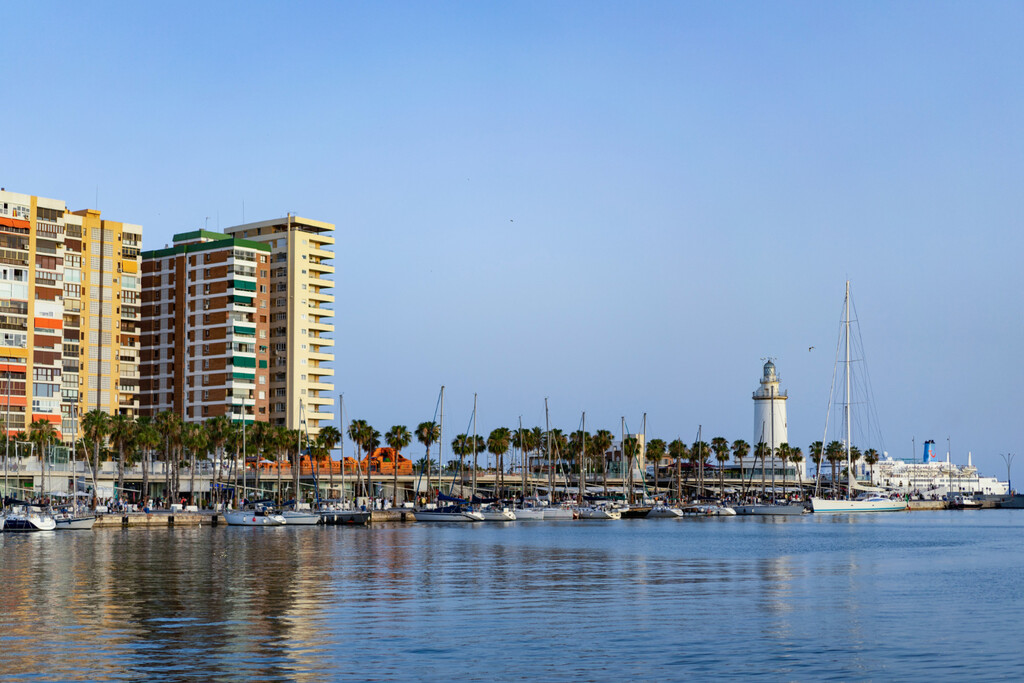
Tourism did not cease during the 2022 heat wave, but behavior changed dramatically. Some tourists altered their schedules to avoid peak heat, while others may have shortened their stays or shifted to cooler destinations. The study underscores that heat waves are no longer just a health concern—they are an economic factor that tourism planners must address.
Why This Matters for Spain's Economy
Tourism is a cornerstone of Spain's economy, accounting for a significant share of GDP and employment. Any disruption to tourist flows can have cascading effects on hotels, restaurants, and local businesses. The study's findings suggest that as heat waves become more frequent and intense due to climate change, the tourism industry must adapt or risk losing competitiveness.
Moreover, the research highlights that tourists are increasingly factoring heat into their travel decisions. This shift in behavior could lead to changes in seasonal demand, with potentially quieter summers and busier shoulder seasons. The industry needs to anticipate these changes and plan accordingly.
How the Tourism Industry Is Responding
In response to these challenges, some Spanish destinations are already taking action. Measures include developing heat action plans, promoting indoor activities during peak heat, and investing in sustainable tourism practices. The study's authors emphasize that adaptation is not just about coping with heat but about seizing opportunities to innovate.
For example, tourism operators can offer flexible schedules, provide cooling stations, and market off-season travel. Policymakers can also play a role by integrating climate data into tourism planning and supporting businesses in adopting resilience strategies. The background to this story is set out in Spain Solar Eclipse Wildfire Risk: Tourists Warned as Heat Sparks. A related thread runs through Spain's 100 Million Tourist Goal Faces Extreme Heat Threat. Earlier coverage in Spain Faces Worst-Case Heat Wave Scenario as Climate Hotspot shows how the argument developed.
Key Takeaways for Stakeholders
- Heat waves are changing tourist behavior, with some visitors avoiding peak summer months.
- Tourism-dependent regions must adapt infrastructure and services to cope with extreme heat.
- Climate adaptation can be an opportunity to diversify tourism offerings and extend the season.
- Data from meteorological and statistical agencies is crucial for understanding and predicting these impacts.
- Collaboration between researchers, businesses, and governments is essential for effective adaptation.
Comparison of Tourist Behavior in 2022 vs. 2023
| Factor | July 2022 (Intense Heat Wave) | July 2023 (No Extreme Heat) |
|---|---|---|
| Overall tourist arrivals | Continued but with changes | Stable, typical summer patterns |
| Daily activity patterns | Shifted to cooler hours | Normal, spread throughout day |
| Length of stay | Potentially shortened in some cases | Standard durations |
| Destination choices | Some shift to cooler areas | Traditional coastal and urban destinations |
| Economic impact | Mixed, with some reductions | Positive, typical seasonal boost |
What to Watch Next
As climate change accelerates, heat waves are expected to become more frequent and severe. The tourism industry must therefore treat heat adaptation as an ongoing process. Researchers suggest monitoring tourist behavior in real-time and using predictive models to anticipate disruptions. A closer look at the same subject appears in These are the best thermal bottles to stay hydrated during this heat wave while we train in summer - Grand Goldman. Anyone following the wider picture can start with Rome Turns Ancient Catacombs Into Climate Shelters Amid Heat Waves. The same theme surfaces in Katendrecht Rotterdam Cultural Hub: Sailors' Quarter Reinvented, which takes a different angle.
Furthermore, the study's findings have implications beyond Spain. Other Mediterranean destinations facing similar climate risks can learn from Spain's experience. The key message is that adaptation requires proactive planning, investment, and a willingness to innovate. Context on how this played out before sits in Madrid Tourism Backlash: Does 'Madrileñofobia' Really Exist in Spain. A companion piece, Solar Power Saves Europe in Heat Waves Despite Efficiency Loss, approaches the same subject from another angle.
FAQ
How do heat waves affect tourism in Spain?
Heat waves alter tourist behavior by shifting activity to cooler hours, potentially shortening stays, and sometimes causing visitors to choose cooler destinations. This can lead to reduced spending in certain areas and disrupt traditional seasonal patterns.
What did the Rey Juan Carlos University study reveal?
The study compared tourist data from July 2022, which had an intense heat wave, with July 2023, which had no extreme heat. It found that while tourists still came to Spain in 2022, their behavior changed significantly, and in some cases, arrivals decreased.
Which tourist nationalities are most affected?
The study focused on tourists from the UK, France, Germany, and the Netherlands, who are among the largest groups visiting Spain. Their responses to heat waves were observed through changes in travel patterns and destination choices.
How can the tourism industry adapt to heat waves?
The industry can adapt by implementing heat action plans, offering flexible schedules, promoting indoor activities during peak heat, and investing in sustainable practices. Collaboration with researchers and policymakers is also crucial for effective adaptation.
Browse the Shop
 Acacia frida deluxe solid wood bed frame |
Bedroom bench |
Bed chest drawers |
Lingerie dresser |
Frame base |
Mirror with jewelry storage |
30 Bathroom Vanity |
Memory foam queen mattress |
Mattresses for back pain |
Nightstand set of 2 |
Grand Goldman Shop |
Civil Lawyer
Deutschland Trikot WM 2026







