

The invasive acacia tree in Spain, known as mimosa (Acacia dealbata), has become a notorious invader that thrives after wildfires. Introduced in 1824 for ornamental gardens, this Australian native now poses a significant ecological threat across the Iberian Peninsula.
If you live in the Cantabrian coast, you've likely noticed its bright yellow flowers blooming in winter, filling the air with a sweet scent. But behind this beauty lies a perfect invader, especially after fires.
Find Original, High-end Home Decor that spark conversation at Grand Goldman Shop.
What Is the Invasive Acacia Tree in Spain?
The acacia, or mimosa, is an evergreen tree that can reach up to 15 meters in height. It has grayish or whitish bark, highly branched, and doubly pinnate leaves. Its flowers are small yellow spheres clustered in racemes, and it produces flat, curved pods containing four to five seeds.
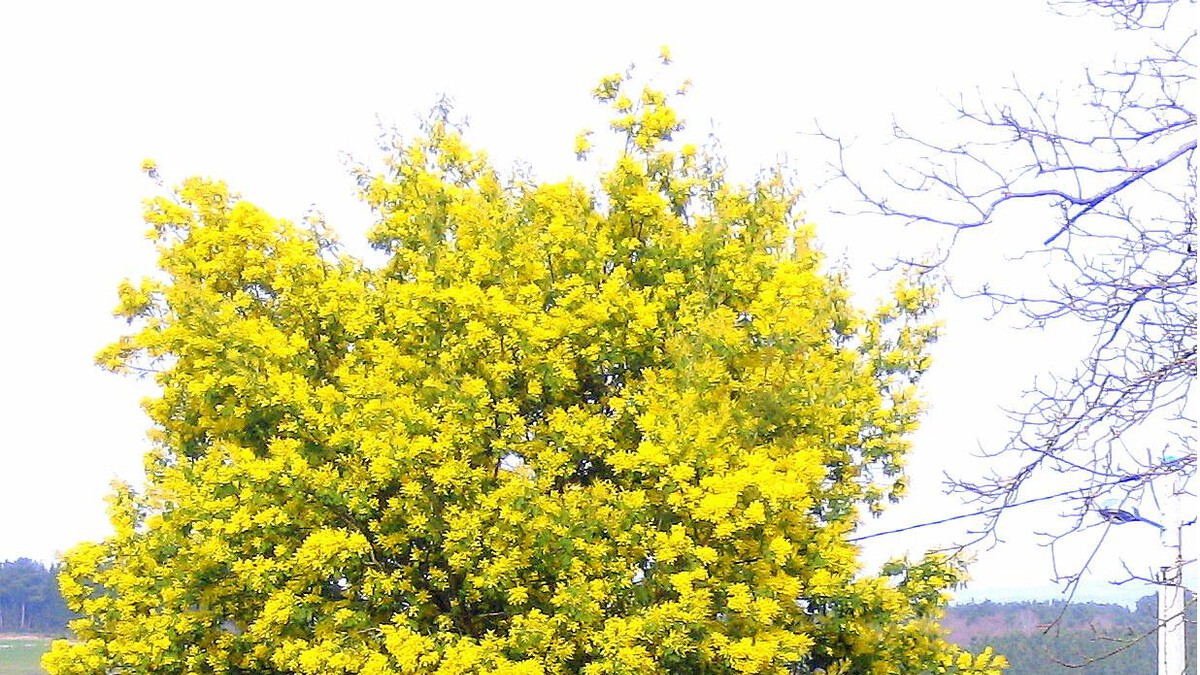
Native to Australia and Tasmania, it was brought to Europe in 1824 deliberately, much like eucalyptus for cheap timber. In Spain, it is considered an exotic invasive species, except in the Canary and Balearic Islands.
Why Is It the Perfect Invader After Wildfires?
Acacia dealbata has several traits that make it an excellent colonizer after fires. It resprouts vigorously from roots and seeds germinate en masse after being exposed to heat. This allows it to quickly dominate burned landscapes, outcompeting native vegetation.
Its rapid growth and dense canopy shade out other plants, and it alters soil chemistry by fixing nitrogen, further changing the ecosystem. Once established, it forms monocultures that are difficult to eradicate.
How Did It Arrive and Spread in Spain?
Although its presence is widespread across the Iberian Peninsula, its origins are literally antipodean. It was introduced in 1824 for ornamental purposes, particularly to decorate gardens. Its ability to thrive in mild climates, free of severe frosts and shade intolerance in early stages, allowed it to escape cultivation.
Today, it is especially common in the northwest of the peninsula, where it feels like a native species to many. However, it is a clear example of an invasive alien species. The background to this story is set out in Invasive Pheasants Now Dominate Argentina's Victoria Island Forests. A related thread runs through Invasive Species in Spain: Why the Guadalquivir Is a Hotspot. Earlier coverage in Japan's Stray Cat Invasive Species Plan Sparks Backlash shows how the argument developed.
What Are the Impacts on Ecosystems and Fire Regimes?
Acacia invasions can alter fire regimes by increasing fuel loads and changing vegetation structure. After a fire, acacia stands can burn more intensely, creating a feedback loop that favors its own regeneration over native species. A closer look at the same subject appears in Invasive Species Cost Australia Billions: How to Respond. Anyone following the wider picture can start with Invasive Species Cost Australia $24.5B: How to Respond. The same theme surfaces in Indonesian Wildfires Threaten Orangutan Research, which takes a different angle.
This can lead to more frequent and severe fires, threatening biodiversity and ecosystem services. In addition, its nitrogen-fixing ability can change soil fertility, affecting the composition of plant communities. Context on how this played out before sits in Israel Wildfires in Lebanon Spark Environmental Crisis. A companion piece, Florida Python Challenge Winner Kills 96 Invasive Snakes, approaches the same subject from another angle.
Key Takeaways
- Acacia dealbata is an invasive tree in Spain, introduced in 1824 for ornamental purposes.
- It thrives after wildfires, resprouting and seeding prolifically.
- Its spread alters fire regimes and outcompetes native vegetation.
- It is widespread in the northwest of the Iberian Peninsula.
- Management requires early detection and rapid response to prevent monocultures.
Comparison of Acacia dealbata Traits
| Trait | Description | Impact |
|---|---|---|
| Height | Up to 15 meters | Shades out native plants |
| Leaves | Doubly pinnate, evergreen | Allows year-round growth |
| Flowers | Yellow racemes in winter | Attracts pollinators, aids reproduction |
| Seeds | 4-5 per pod, long-lived | Persistent seed bank after fires |
| Resprouting | Vigorous from roots | Rapid recovery post-fire |
| Nitrogen fixation | Alters soil chemistry | Changes ecosystem processes |
FAQ
What is the invasive acacia tree in Spain?
It is Acacia dealbata, also known as mimosa, an evergreen tree native to Australia introduced in 1824. It is considered invasive in Spain except in the Canary and Balearic Islands.
Why is acacia a problem after wildfires?
Acacia resprouts vigorously and its seeds germinate after fire, allowing it to quickly dominate burned areas and outcompete native plants. This can alter fire regimes and increase fire risk.
Where is acacia most common in Spain?
It is especially widespread in the northwest of the Iberian Peninsula, particularly along the Cantabrian coast, where the climate is mild and frost is rare.
How can we manage invasive acacia?
Management involves early detection, mechanical removal, and sometimes controlled burning followed by revegetation with native species. Public awareness and prevention of further spread are crucial.
Browse the Shop
 Acacia frida deluxe solid wood bed frame |
Bedroom bench |
Bed chest drawers |
Lingerie dresser |
Frame base |
Mirror with jewelry storage |
30 Bathroom Vanity |
Memory foam queen mattress |
Mattresses for back pain |
Nightstand set of 2 |
Grand Goldman Shop |
Civil Lawyer
Deutschland Trikot WM 2026







