

The Mediterranean Sea reached a record average surface temperature of 28.47°C in August 2024, and similar marine heat waves are now a recurring phenomenon. This warmth feels pleasant for swimming, but it represents a vast reservoir of stored energy that can supercharge autumn weather systems. Understanding this link is crucial for coastal communities bracing for increasingly severe storms.
Why Mediterranean Sea Temperatures Matter
The Mediterranean functions as a giant heat sink, absorbing solar energy throughout the summer. Unlike land, water retains heat for weeks, releasing it slowly as air temperatures drop in September. This stored energy becomes a key ingredient for extreme weather events.
Find Original Home Decor sparking conversation at Grand Goldman Shop.

In July 2026, the basin's average temperature hit 27°C, the highest ever recorded for that month. A buoy near Mallorca even measured 33°C in early August, underscoring the intensity of these marine heat waves.
The Role of Human-Induced Warming
According to World Weather Attribution, about 80% of the western Mediterranean experienced marine heat wave conditions this year. Human-caused climate change has added roughly 2°C to the basin's temperatures, amplifying the natural variability.
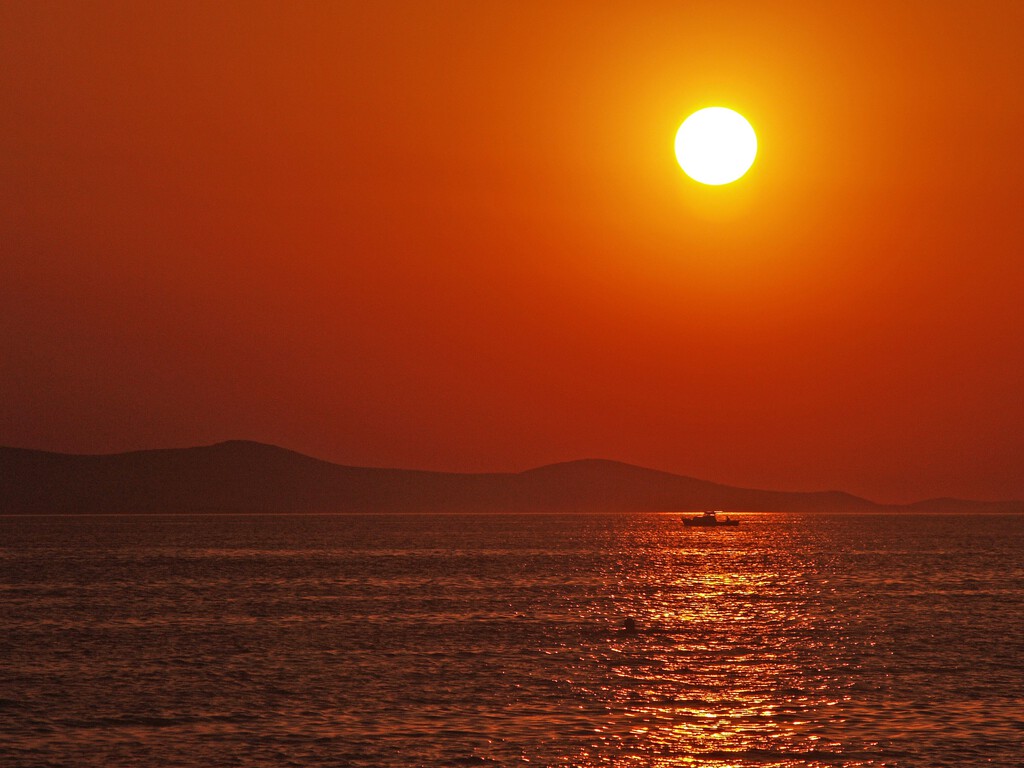
This extra heat is not just a number—it translates into more energy available to fuel storms, with consequences for weather patterns across southern Europe.
How Stored Heat Fuels Autumn Storms
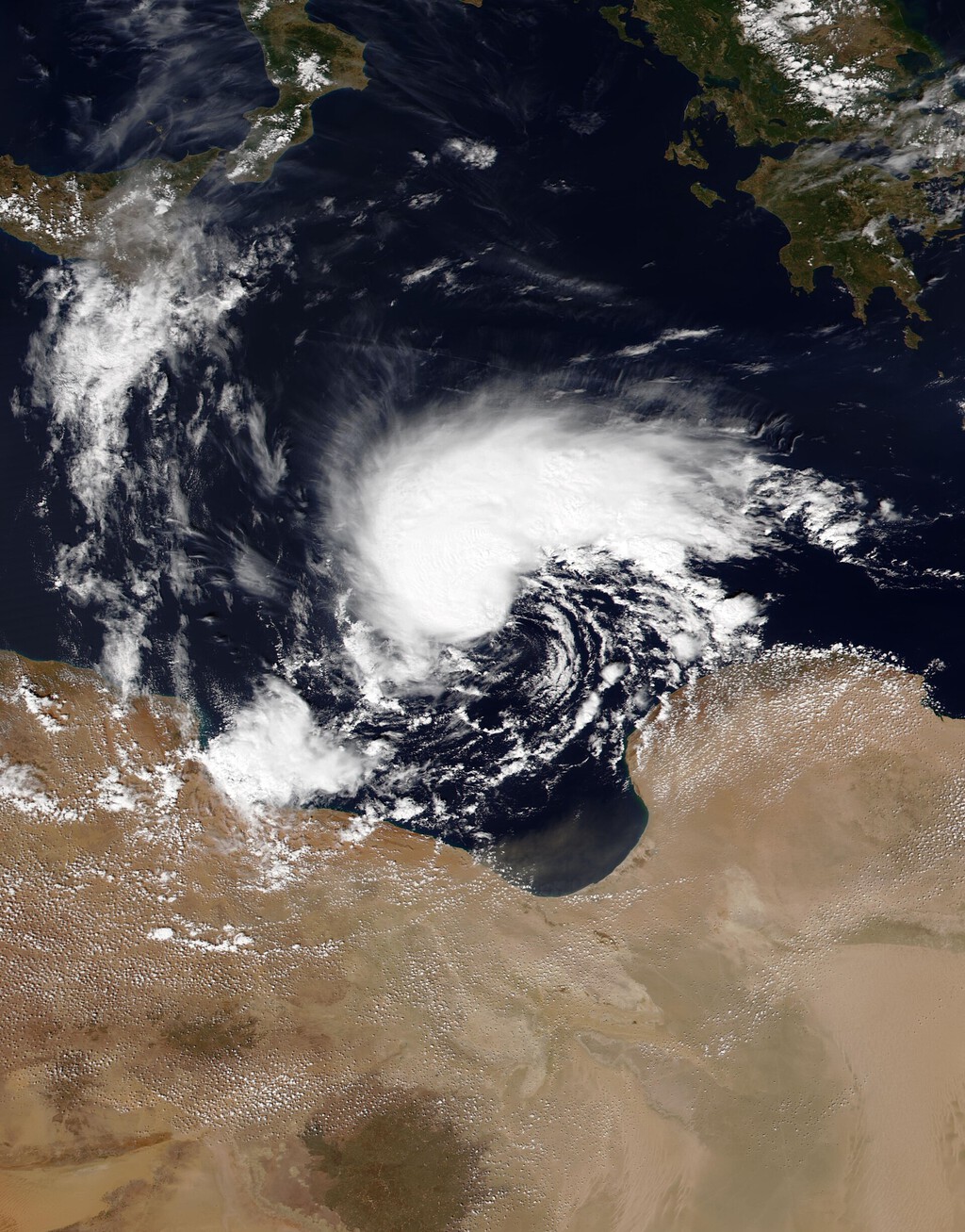
When cooler autumn air moves over the warm sea, the contrast creates instability. The water evaporates more readily, pumping moisture and heat into the atmosphere. This can lead to rapid storm development, including medicanes—Mediterranean hurricanes—and intense rainfall events.
The 2024 marine heat wave, which persisted for days above 28°C, set the stage for potentially explosive weather as summer turned to autumn. While not every warm season produces a disaster, the odds of extreme events increase with higher sea temperatures.
- Record warmth: August 2024 saw the Mediterranean's average surface temperature peak at 28.47°C, with prolonged periods above 28°C.
- Persistent pattern: July 2026 recorded the highest monthly average (27°C) and local extremes like 33°C near Mallorca.
- Human influence: Climate change has added about 2°C to basin temperatures, according to World Weather Attribution.
- Storm fuel: The stored heat provides energy for autumn storms, increasing the risk of extreme weather.
- Widespread impact: Around 80% of the western Mediterranean experienced marine heat wave conditions this year.
Comparing Mediterranean Marine Heat Waves
The table below summarizes key temperature milestones and their significance for weather patterns.
| Period | Average Temperature | Notable Measurement | Significance |
|---|---|---|---|
| August 2024 | 28.47°C (record) | Days above 28°C | Highest average on record; stored heat for autumn |
| July 2026 | 27°C (record for July) | Buoy near Mallorca: 33°C | Indicates persistent warming trend |
| 2026 (year to date) | ~80% of western basin in marine heat wave | +2°C from climate change | Human influence amplifies heat storage |
What This Means for Coastal Communities
Coastal areas around the Mediterranean face heightened risks as the sea retains more heat. Intense rainfall can lead to flash floods, while stronger winds from medicanes threaten infrastructure. Emergency services and local governments must prepare for these evolving threats.
The tourism sector, which thrives on warm waters, may also face disruptions if storms become more frequent. Balancing the appeal of a warm sea with the dangers it brings is a growing challenge. The background to this story is set out in Sicily Tornadoes Injure Dozens as Climate Change Fuels Extreme Weather. A related thread runs through Extreme Weather Summer: Climate Crisis Fuels Wildfires and Floods. Earlier coverage in Autumn Vibes in Warm Weather: Six Cosy Style Tips for Summer Heat shows how the argument developed.
What to Watch Next
As the planet continues to warm, the Mediterranean's heat reservoir is likely to grow. Scientists are monitoring sea surface temperatures closely to improve seasonal forecasts. Early warnings can save lives and reduce economic losses. A closer look at the same subject appears in Climate Change Rhyme: Rising Temperatures & Emission Urgency. Anyone following the wider picture can start with St Bartholomew's Day Weather Lore and Autumn Forecast. The same theme surfaces in Autumn White Wines: The Most Satisfying Cold-Weather Picks, which takes a different angle.
Individuals can stay informed about marine heat waves and their potential impacts. Supporting climate mitigation efforts is also essential to curb the long-term trend. Context on how this played out before sits in Stourbridge Wildfires: Climate Change Fuels UK Home Destruction. A companion piece, El Niño Supercharged by Fossil Fuels: New Study, approaches the same subject from another angle.
FAQ
What is a marine heat wave?
A marine heat wave is a prolonged period of abnormally high sea surface temperatures. In the Mediterranean, these events can last for weeks and have significant impacts on marine life and weather patterns.
How does the Mediterranean's heat affect autumn weather?
The sea stores heat during summer and releases it slowly in autumn. This extra energy can fuel storms, leading to heavier rainfall and stronger winds, especially when cooler air arrives.
Is climate change responsible for the record temperatures?
Yes, studies show that human-induced climate change has added about 2°C to Mediterranean sea temperatures. This makes record-breaking heat waves more likely and intense.
Can we expect more extreme weather in the future?
As sea temperatures continue to rise, the risk of extreme weather events increases. While not every year will be catastrophic, the overall trend points to more frequent and intense storms.
Browse the Shop
 Acacia frida deluxe solid wood bed frame |
Bedroom bench |
Bed chest drawers |
Lingerie dresser |
Frame base |
Mirror with jewelry storage |
30 Bathroom Vanity |
Memory foam queen mattress |
Mattresses for back pain |
Nightstand set of 2 |
Grand Goldman Shop |
Civil Lawyer
Deutschland Trikot WM 2026







