

The US power grid is straining under the first extreme heat wave of summer 2026, and the energy secretary has called on data centers to activate their backup diesel generators to relieve pressure. With air conditioners running at full capacity, demand has surged, pushing the grid to its limits, especially along the East Coast.
Energy Secretary Chris Wright asked data centers and other large customers to start using their normally idle backup generators. The goal is to reduce strain on the grid, which has seen demand spike as temperatures approach 40°C (104°F) in many states. This unprecedented request highlights the growing impact of data centers on US electricity supply.
Find Original Home Decor sparking conversation at Grand Goldman Shop.

Why the Heat Wave Is Straining the Grid
The heat wave peaked last week, hitting the eastern United States hardest. Homes and businesses cranked up air conditioning, leading to a sharp increase in electricity demand. Grid operators struggled to keep up, and the energy secretary took the unusual step of asking large consumers to switch to their own power sources.
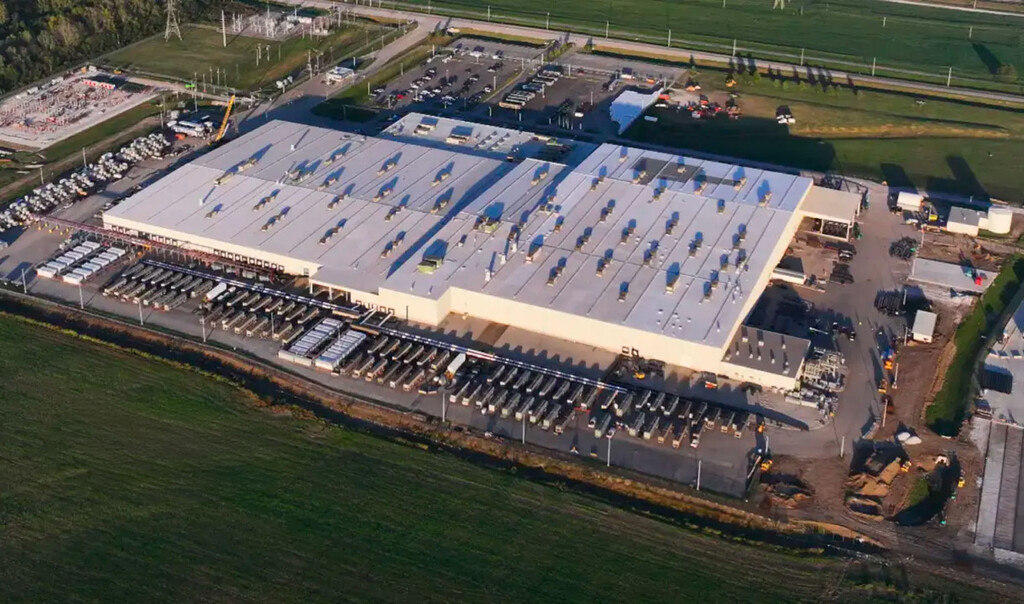
Data centers, which normally rely on the grid, were told to fire up their backup generators. These generators are typically used only during outages, but activating them now helps balance the load. This move underscores how critical data centers have become to overall grid stability.
The Concentration of Data Centers in the US
The United States hosts more than 4,300 data centers, according to Data Center Map. Virginia alone has 637, making it the densest data center market in the world. Other states with high concentrations include New York (133), Pennsylvania (133), and North Carolina (93).
This concentration means that any strain on the grid in these areas is amplified. The mid-Atlantic region, particularly Virginia, is home to the largest cluster of data centers globally, so the heat wave's impact is felt acutely there.
Key Takeaways
- Extreme heat drove up air conditioning demand, straining the US power grid.
- Energy Secretary Chris Wright asked data centers to use backup generators.
- Over 4,300 data centers operate in the US, with 637 in Virginia alone.
- The mid-Atlantic region has the world's highest concentration of data centers.
- This measure aims to prevent blackouts and maintain grid reliability.
How Data Centers Impact the Power Grid
Data centers consume massive amounts of electricity to power servers and cooling systems. As demand for cloud services and AI grows, their energy needs are skyrocketing. In regions with many data centers, the local grid can become overwhelmed during peak demand periods like heat waves.
By asking data centers to use their backup generators, the energy department is essentially shifting some of the load off the grid. However, this solution is temporary and comes with challenges, such as increased emissions from diesel generators and the logistical effort of switching power sources. The background to this story is set out in Spain's Fourth Heat Wave: AEMET Alerts Extreme Temperatures Amid Fire Crisis. A related thread runs through Waste Heat From Cars and Data Centers Could Power Cooling. Earlier coverage in Ireland Data Centers Now Use 23% of National Electricity shows how the argument developed.
| State | Number of Data Centers |
|---|---|
| Virginia | 637 |
| New York | 133 |
| Pennsylvania | 133 |
| North Carolina | 93 |
What This Means for the Future of Energy
This incident is a wake-up call. As data centers proliferate, grid operators must plan for their energy demands. Investments in renewable energy, battery storage, and grid modernization are essential to prevent future crises. Meanwhile, data centers may need to adopt more sustainable backup solutions, like battery storage or fuel cells, to reduce reliance on diesel. A closer look at the same subject appears in US Record Heat Wave: How Americans Cope With Utility Bills. Anyone following the wider picture can start with Microsoft's Climate Goal in Jeopardy as AI Data Centers Drive Emissions. The same theme surfaces in Heat Wave Forces La Rioja Farmers to Start Work at 5 AM, which takes a different angle.
The heat wave also highlights the vulnerability of the US power grid to climate extremes. With climate change expected to increase the frequency and intensity of heat waves, the grid must become more resilient. Demand response programs, where large consumers reduce their usage during peaks, will become increasingly important. Context on how this played out before sits in Spain Heat Wave Forecast: Meteorologists Warn of Brutal 45°C. A companion piece, Spain Faces Worst-Case Heat Wave Scenario as Climate Hotspot, approaches the same subject from another angle.
FAQ
Why did the energy secretary ask data centers to use backup generators?
The energy secretary asked data centers to use backup generators to reduce demand on the power grid during the extreme heat wave. By switching to their own power, data centers help prevent blackouts and maintain grid stability.
How many data centers are in the US?
According to Data Center Map, there are over 4,300 data centers in the United States. Virginia has the highest concentration with 637, followed by New York and Pennsylvania with 133 each.
What are the challenges of using backup generators?
Backup generators typically run on diesel, which emits greenhouse gases and air pollutants. Switching to them also requires logistical coordination and may increase operational costs for data centers.
Will this become a common practice during heat waves?
It could become more common as data centers grow and heat waves intensify. However, the long-term solution lies in grid modernization, renewable energy, and demand response programs to balance supply and demand.
Browse the Shop
 Acacia frida deluxe solid wood bed frame |
Bedroom bench |
Bed chest drawers |
Lingerie dresser |
Frame base |
Mirror with jewelry storage |
30 Bathroom Vanity |
Memory foam queen mattress |
Mattresses for back pain |
Nightstand set of 2 |
Grand Goldman Shop |
Civil Lawyer
Deutschland Trikot WM 2026







