

Your smartwatch calorie count is probably wrong—and a new study suggests it gets worse the more body fat you carry. Researchers at Florida International University found that popular wearables can misjudge energy burned by 15% to 25% during controlled workouts, with some devices performing far worse than others.
The findings matter because millions of people use calorie burn as a daily scorecard for weight loss and training. If that number is inflated, your diet and exercise plan may be built on bad data.
Find Original Home Decor sparking conversation at Grand Goldman Shop.

What the Smartwatch Calorie Study Actually Tested
The team recruited 58 adults and had them ride a recumbent bike through a supervised session that alternated moderate and vigorous intensity. Each participant wore one of the best-selling smartwatches on the market while also hooked to a COSMED K5 metabolic analyzer—a lab-grade device that measures energy expenditure directly.
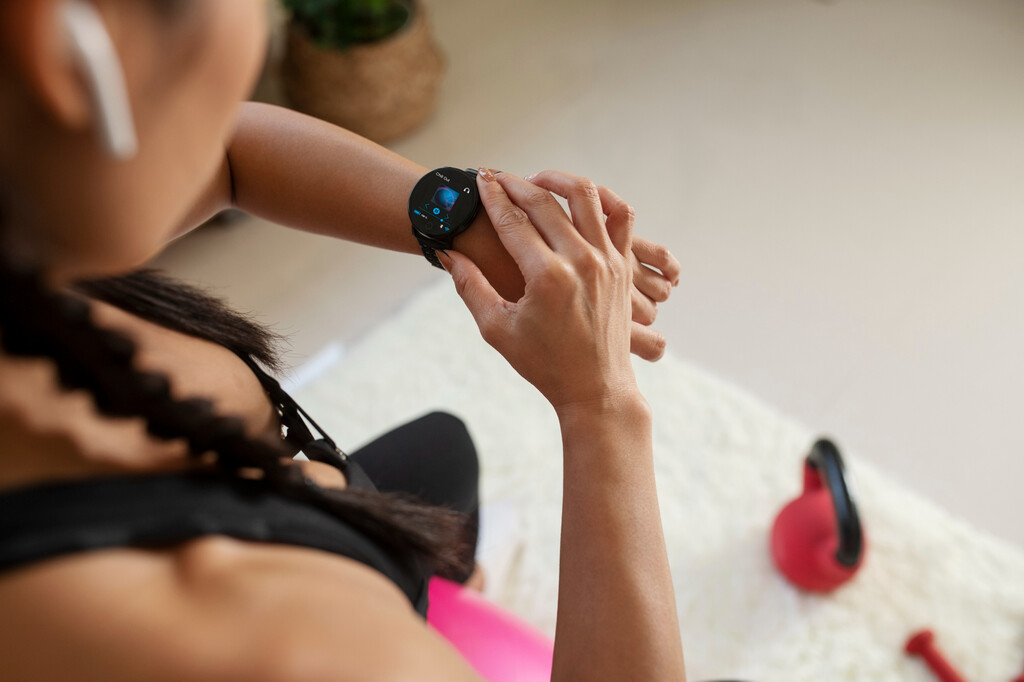
By comparing the watch's estimate against the metabolic analyzer, the researchers could see exactly how far off each reading was. The typical error landed in the 15% to 25% range, but the worst-performing watches produced averages that climbed considerably higher.
Two conclusions stood out. First, not all brands are equal. Second, your body weight strongly influences how wide the margin of error becomes.
Why Higher Body Fat Widens the Error
Most wearables estimate calorie burn using inputs like heart rate, age, weight, and motion. Heart rate is the dominant signal, and it is an imperfect proxy for effort. Two people can hit the same heart rate while burning very different amounts of energy.
Body composition complicates this further. Adipose tissue is metabolically different from muscle, and heart-rate response during exercise does not map cleanly onto energy expenditure across body types. When a device relies on a one-size-fits-all formula, the gap between estimate and reality tends to grow for people with higher body fat.
That is not a moral judgment—it is a measurement problem. The algorithm was likely trained on a narrower range of bodies than the population actually using the watch.
What This Means for Your Training and Weight Loss
If you eat back the calories your watch says you burned, you may be overeating without realizing it. A 25% overestimate on a 400-calorie workout adds 100 phantom calories to your daily ledger—enough to stall progress over weeks.
The fix is not to throw the watch away. It is to treat calorie burn as a rough trend rather than a precise receipt. Use it to compare sessions against each other, not as a green light for a bigger snack.
- Expect error: assume any calorie reading could be off by 15% to 25% even on a good device.
- Compare brands: the study found meaningful differences between watch models, so research before buying.
- Weigh your body, not just your workouts: higher body fat was linked to larger measurement errors.
- Anchor to behavior: track minutes, intensity, and consistency instead of chasing a calorie number.
- Use lab-grade tools sparingly: metabolic testing is the gold standard but impractical for daily use.
How the Watches Compared
The study analyzed several commercial smartwatches and found that not all brands are created equal. While the excerpt does not name specific models or publish a full ranking, the researchers emphasized that average error varied widely between devices—and that the poorest performers were substantially less accurate than the best.
That gap is a useful buying signal. If calorie accuracy matters to you, it is worth checking independent testing before you commit to a device.
| Measurement Method | Accuracy | Practicality |
|---|---|---|
| COSMED K5 metabolic analyzer | Lab-grade reference standard | Clinic or lab only |
| Best-performing smartwatches | Within roughly 15%–25% error | Daily wear, easy |
| Worst-performing smartwatches | Substantially higher average error | Daily wear, easy |
| Heart-rate-only estimates | Highly variable by body type | Built into most devices |
Who Is Most Affected
Anyone who relies on calorie burn to guide eating is exposed to this problem, but the impact is uneven. People with higher body fat face wider error margins, which means their watch may be least trustworthy precisely when they are trying hardest to change their body composition. The longer history behind the story is traced in Smartwatch Calorie Counts Are Wrong—Especially If You Carry More Body Fat.
Casual users who simply want step counts and heart-rate trends are largely unaffected. The issue is most acute for people using the device as a dietary tool. The background to this story is set out in The 500-Calorie Deficit Myth: Why Weight Loss Is More Complicated. A related thread runs through 10 Best Home Workouts for Weight Loss (Burn Calories Fast). Earlier coverage in Count Your Blessings Daily for a Cheerful Long Life shows how the argument developed.
What to Watch Next
The obvious next step is better algorithms. If manufacturers train models on more diverse body compositions and validate them against metabolic analyzers, accuracy should improve. Until then, the burden falls on users to interpret the numbers skeptically. A closer look at the same subject appears in Woman Receives A Dog Photo From Wrong Number And The Best Wrong Number Conversation Happened. Anyone following the wider picture can start with Ohio Woman Sues Hospital for Wrong Leg Amputation. The same theme surfaces in Thames Wet Wipes Pollution: Volunteers Count River Waste, which takes a different angle.
The study also raises a broader question about transparency. Wearables rarely publish their error rates, leaving consumers to guess how much trust to place in a daily calorie score. Context on how this played out before sits in Health: latest articles. A companion piece, How Often Should You Wash Jeans? Science Says Less Than You Think, approaches the same subject from another angle.
FAQ
How inaccurate are smartwatch calorie counts?
In the Florida International University study, typical errors ranged from 15% to 25% during a controlled cycling workout. Some watches performed considerably worse, with average errors climbing well above that range.
Does body fat affect smartwatch accuracy?
Yes. The researchers found that body weight and composition strongly influence the margin of error, and higher body fat was associated with larger discrepancies between the watch and the lab-grade metabolic analyzer.
Should I stop using my smartwatch for calories?
Not necessarily. Treat the calorie number as a rough trend rather than an exact figure, and avoid eating back every calorie the device says you burned. Steps, heart rate, and workout consistency remain useful signals.
What is the COSMED K5 and why does it matter?
The COSMED K5 is a metabolic analyzer used in laboratories to measure energy expenditure directly. It served as the reference standard against which the smartwatches were compared in this study.
Browse the Shop
 Acacia frida deluxe solid wood bed frame |
Bedroom bench |
Bed chest drawers |
Lingerie dresser |
Frame base |
Mirror with jewelry storage |
30 Bathroom Vanity |
Memory foam queen mattress |
Mattresses for back pain |
Nightstand set of 2 |
Grand Goldman Shop |
Civil Lawyer
Deutschland Trikot WM 2026







